


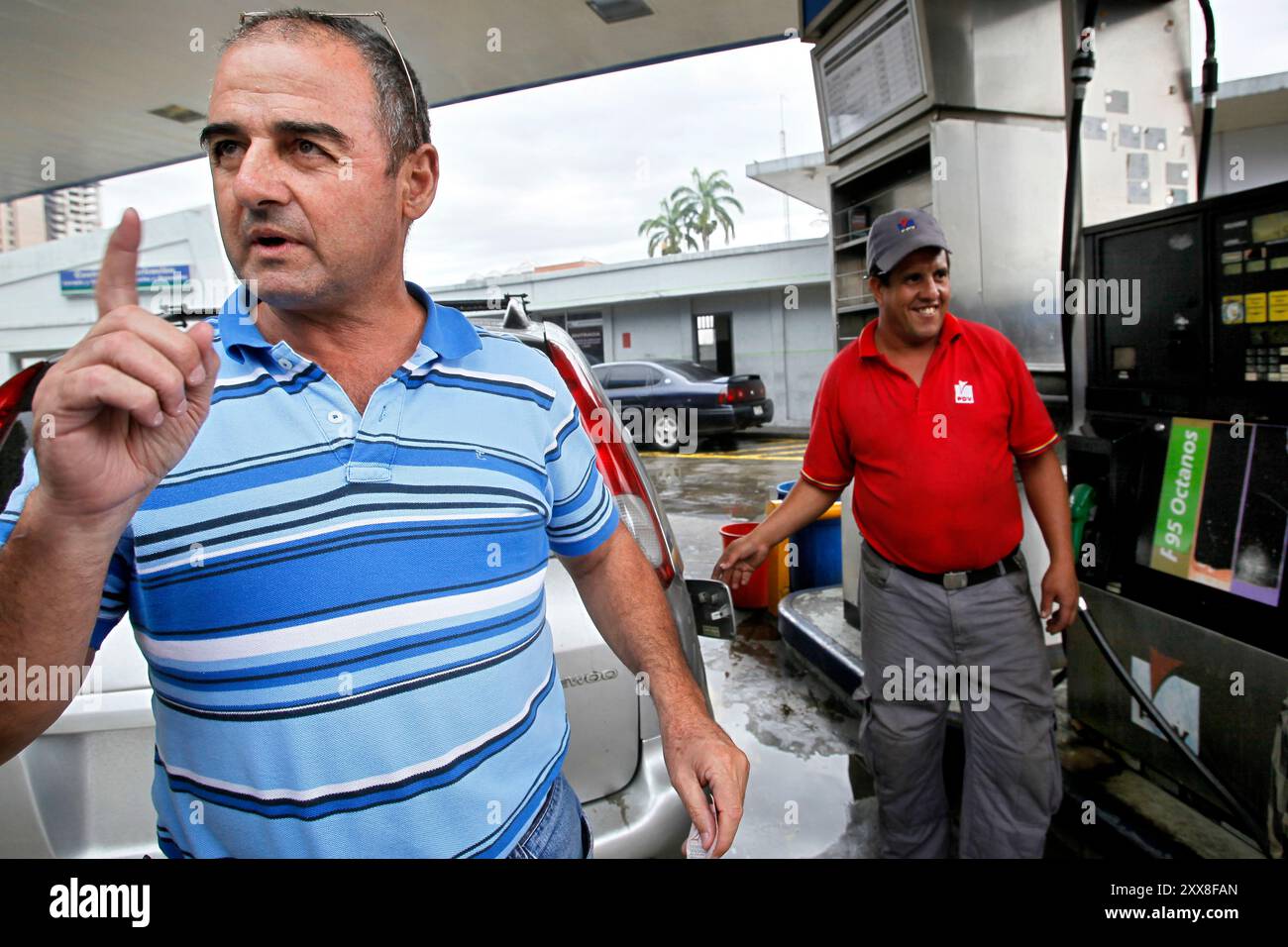

Venezuela’s National Oil Company, known locally as PDVSA, has become a focal point in the country’s economic struggles, particularly in the context of USDT sanctions evasion. Amid rampant hyperinflation, this state-run enterprise has turned to stablecoins like Tether as an innovative workaround to international financial restrictions. With the widespread adoption of cryptocurrency in Venezuela, USDT serves not only as a tool for the oil company but also as a lifeline for citizens desperate for a stable currency alternative. Analysts predict an increased reliance on digital assets, especially following the political upheaval resulting from Nicolás Maduro’s arrest. Tether’s commitment to compliance with U.S. sanctions adds another layer of complexity to the narrative of cryptocurrency adoption in Venezuela, which is reshaping the nation’s financial landscape.

The Venezuelan state oil firm has been leveraging digital currencies to navigate complex economic challenges, particularly amid the chaos of hyperinflation. In recent developments, alternative financial strategies involving stablecoins like Tether have emerged as feasible options for evading existing sanctions. This shift illustrates a broader movement towards cryptocurrency adoption within the Venezuelan populace, providing both a functional currency and a beacon of hope amidst economic despair. The ongoing transformation in Venezuela’s financial system highlights the pivotal role played by digital currencies, making the response to international pressure ever more critical. As policies surrounding cryptocurrency evolve, the implications for both local enterprises and national economic stability are profound.
Venezuela’s National Oil Company and USDT for Sanctions Evasion
Venezuela’s National Oil Company (PDVSA) has increasingly turned to USDT, a prominent stablecoin, to navigate the challenging financial landscape shaped by international sanctions. As reported, this strategy has allowed PDVSA to continue its operations despite severe economic restrictions imposed on the country. The utilization of USDT can be seen as a tactical maneuver to facilitate oil trade and ensure cash flow, which is critical as Venezuela grapples with hyperinflation and a shrinking economy. This phenomenon underscores how cryptocurrency adoption is becoming pivotal for businesses aiming to maintain liquidity in an increasingly hostile environment.
Moreover, the popularity of USDT in Venezuela reflects a broader trend where stablecoins are emerging as a viable alternative to traditional fiat currencies. Venezuelans, facing daily economic turmoil and a depreciating bolívar, have rapidly embraced stablecoins like Tether as a hedge against hyperinflation. The National Oil Company’s use of USDT exemplifies how cryptocurrencies can provide a lifeline for both consumers and corporations dealing with systemic financial issues. This trend is expected to persist, especially as the country continues to experience political and economic instability.
The Impact of Hyperinflation on Cryptocurrency Adoption in Venezuela
Venezuela’s hyperinflation crisis has driven the population to seek stable financial alternatives, propelling the adoption of cryptocurrencies, particularly stablecoins like USDT. With inflation rates soaring, everyday transactions have become nearly impossible with the local currency, prompting citizens to look for more stable means of preserving their purchasing power. Cryptocurrencies offer a solution, allowing individuals to engage in commerce without the crippling effects of their national currency’s volatility. As a result, stablecoins have become ingrained in the Venezuelan economy, providing a semblance of stability amid chaos.
The government’s response to this financial crisis has been to clamp down on traditional financial systems while simultaneously seeing its National Oil Company relying on USDT for operational continuity. This contradictory approach illustrates the complicated relationship between state policies and grassroots financial innovations. As Venezuelans increasingly turn to cryptocurrencies for day-to-day transactions and savings, the role of stablecoins as a financial lifeline in extreme economic conditions becomes more pronounced. The convergence of hyperinflation and cryptocurrency adoption signals a transformative shift in how Venezuelans view and use money.
Tether Compliance and Its Role in Stabilizing Transactions in Venezuela
In light of the increasing use of USDT for evading sanctions, Tether has emphasized its commitment to compliance with U.S. and international sanctions. This declaration is crucial in the context of Venezuela’s National Oil Company utilizing USDT to circumvent barriers set by foreign governments. Tether’s stance involves actively cooperating with regulatory authorities to mitigate any connections that may arise with illicit activities, ensuring that the stablecoin remains a legitimate option for consumers and businesses. Such compliance not only reinforces Tether’s credibility but also helps stabilize the wider cryptocurrency market within Venezuela.
As Venezuela’s economy continues to struggle, the clarity provided by Tether’s compliance can foster greater confidence among users. Citizens weary of the failing bolívar are more likely to trust a financial solution that demonstrates a commitment to legality and transparency. This will likely encourage further cryptocurrency adoption in both personal and business transactions across the country, as stablecoins become a trusted medium for transacting within and outside Venezuela. Ultimately, Tether’s adherence to compliance could catalyze a more stable economic environment for Venezuelans struggling under the weight of hyperinflation.
The Growing Influence of Stablecoins in Venezuela’s Financial Landscape
As Venezuela grapples with the realities of hyperinflation, the rise of stablecoins like USDT signifies a critical turning point in the country’s financial landscape. This trend is not merely a reaction to scarcity but a proactive adaptation to a failing currency system. Stablecoins present an alternative that provides greater price stability compared to the increasingly volatile bolívar. As businesses and individuals navigate their economic hardships, stablecoins offer a practical solution for currency exchange and remittances, facilitating easier transactions both locally and internationally.
The increasing adoption of cryptocurrencies also showcases a significant cultural shift within the Venezuelan populace, moving towards digital finance as an everyday necessity. With relentless inflation impacting their livelihoods, citizens are likely to prefer stablecoins that afford them a measure of financial control. Consequently, the influence of these digital currencies on the local economy is expected to grow, suggesting that as the demand for stable currencies continues, more Venezuelans will explore opportunities within the crypto space. This wave of cryptocurrency adoption reflects broader global trends, where digital finance becomes integral to economic resilience.
Navigating Economic Turmoil: Cryptocurrency as a Solution in Venezuela
In times of economic distress, cryptocurrencies have emerged as crucial tools for survival for the citizens of Venezuela. As the local economy suffers from hyperinflation and devaluation of the bolívar, individuals have increasingly looked towards cryptocurrencies as a respite. The technology behind stablecoins like USDT allows users to retain value and maintain purchasing power amidst rampant inflation. This trend has seen cryptocurrencies not only as investment opportunities but also as essential components for everyday transactions, helping to redefine financial norms in the country.
The use of stablecoins offers a technological boost to those seeking refuge from traditional banking systems, which may be perceived as unreliable or too closely tied to government policies. Many Venezuelans now utilize decentralized platforms for trading and transactions, securing their assets against state-controlled currency fluctuations. The economic turbulence has thus ignited a grassroots movement towards cryptocurrency, embracing it as a viable means of maintaining economic stability. Despite the overarching challenges, this transition toward digital currencies may represent a pathway towards revitalizing the Venezuelan economy in the long run.
The Future of Digital Currency in Venezuela with USDT
Looking ahead, the future of digital currency in Venezuela appears intertwined with the ongoing use of USDT and similar stablecoins. As more citizens and businesses become acquainted with the benefits of cryptocurrency, it is likely that adoption rates will continue to increase. Key factors influencing this trajectory include ongoing economic instability and the potential for further international sanctions, which will push many to seek alternatives outside traditional financial frameworks. The steady integration of stablecoins within the Venezuelan economy could ultimately facilitate a more resilient monetary system.
Furthermore, this shift towards digital currency could also foster innovative financial solutions tailored to the unique challenges that Venezuela faces. By building on the existing foundation of cryptocurrency use, local developers and entrepreneurs may emerge to create platforms aimed at enhancing accessibility and security within the crypto space. As the landscape evolves, Tether and its compliance framework will be critical in maintaining stakeholder trust and ensuring that USDT continues to serve its purpose for both the government and citizens in Venezuela, fostering a broader acceptance of digital finance.
The Role of International Economic Policies in Venezuela’s Crypto Adoption
International economic policies play a significant role in shaping the cryptocurrency landscape in Venezuela. The sanctions imposed by various governments have directly influenced the way Venezuelans adopt and utilize digital currencies. As traditional financial systems have been disrupted, citizens have turned to stablecoins like USDT as a means to facilitate transactions and access goods and services. Despite Tether’s commitment to compliance, the gaps present in the regulatory landscape allow for a defenseless economy that underscores the potential of cryptocurrencies to bridge financial divides.
The interplay between international regulations and local cryptocurrency adaptation creates a complex environment for users. Venezuelans are often forced to navigate a minefield of constraints and opportunities, leading to innovative solutions that could influence broader financial practices. By continuously assessing the international economic climate and its impact on the local crypto ecosystem, stakeholders can identify pathways for enhancing crypto adoption while also considering regulatory compliance. The future of cryptocurrency in Venezuela strongly hinges on international economic dynamics, with stablecoins forming a central pillar of this evolving narrative.
Cryptocurrency as a Catalyst for Economic Resilience in Venezuela
Cryptocurrency is increasingly regarded as a catalyst for economic resilience in Venezuela, as citizens seek alternatives amidst ongoing hyperinflation and currency devaluation. The adoption of stablecoins like USDT provides individuals and businesses with a mechanism to preserve value and ensure the continuity of transactions. This shift towards digital assets reveals a transformative response to systemic financial crises, showcasing how cryptocurrencies can empower communities to rebuild their economic futures. By circumventing traditional banking obstacles, Venezuelans are charting a new course in financial independence.
Additionally, the rise of cryptocurrency adoption could lead to increased financial literacy and technological engagement among the population. As more individuals become adept in navigating digital currency platforms, the potential for fostering entrepreneurship and innovation within the crypto space grows significantly. By leveraging the accessibility of stablecoins, Venezuelans are likely to cultivate new economic opportunities that extend beyond the limitations of their current financial systems. Thus, the trajectory of cryptocurrency use in Venezuela may not only represent a means of surviving economic hardship but also a pathway toward sustainable development.
Frequently Asked Questions
How is Venezuela’s National Oil Company using USDT to evade sanctions?
Venezuela’s National Oil Company has adopted USDT (Tether) as a method to circumvent U.S. sanctions, allowing for international transactions that would otherwise be restricted. This strategy has been crucial during periods of hyperinflation in Venezuela, where USDT serves as a stable alternative to the diminishing value of the national currency.
What is the impact of hyperinflation on Venezuela’s National Oil Company and cryptocurrency adoption?
Hyperinflation in Venezuela has significantly impacted the National Oil Company by diminishing its revenue in local currency. As a response, the company is increasingly relying on cryptocurrencies, like USDT, to facilitate transactions and maintain economic stability, leading to a broader adoption of stablecoins among the Venezuelan populace.
Is Tether compliant with laws regarding Venezuela’s National Oil Company?
Tether claims compliance with U.S. and international sanctions, actively working with authorities to freeze any wallets tied to illegal activities. This is particularly crucial for its operations relating to Venezuela’s National Oil Company, where compliance is a key aspect of maintaining legitimacy amid scrutiny.
What role do stablecoins play in the economy of Venezuela, especially regarding the National Oil Company?
Stablecoins, particularly USDT, play a transformative role in Venezuela’s economy by offering a digital alternative to the bolívar, which has suffered from hyperinflation. For the National Oil Company, using stablecoins facilitates smoother international trade and transactions, crucial for a country facing severe economic challenges.
How has the arrest of Nicolás Maduro affected Venezuela’s National Oil Company and its use of cryptocurrency?
The arrest of Nicolás Maduro has led to increased speculation regarding the operations of Venezuela’s National Oil Company and its reliance on cryptocurrency like USDT for transactions. Analysts predict that this scenario may further entrench the use of stablecoins as the company seeks to navigate ongoing sanctions and market volatility.
| Key Point | Details |
|---|---|
| USDT Usage | Venezuela’s National Oil Company is utilizing USDT to navigate around international sanctions. |
| Public Adoption | Citizens in Venezuela have adopted USDT as a replacement for the dollar amidst rampant hyperinflation. |
| Expectations | Analysts predict a continued rise in the use of stablecoins in Venezuela, especially after Nicolás Maduro’s recent arrest. |
| Tether’s Position | Tether asserts compliance with U.S. and international sanctions, actively cooperating with authorities on illicit activity cases. |
Summary
Venezuela’s National Oil Company has increasingly relied on USDT as a strategic tool to circumvent sanctions imposed on the nation. Amid severe economic challenges, including hyperinflation, the adoption of stablecoins like USDT has become essential not only for state entities but also for ordinary citizens seeking financial stability. As the situation evolves, the role of cryptocurrencies, particularly USDT, is expected to grow, especially in light of recent political developments surrounding Nicolás Maduro’s arrest.
Related: More from DeFi & Stablecoins | Aixovia Burns 90,357,968 AIXDROP Tokens On-Chain Proof | Arthur Hayes Liquidates DeFi Tokens: A $3.48 Million Loss You Should See