


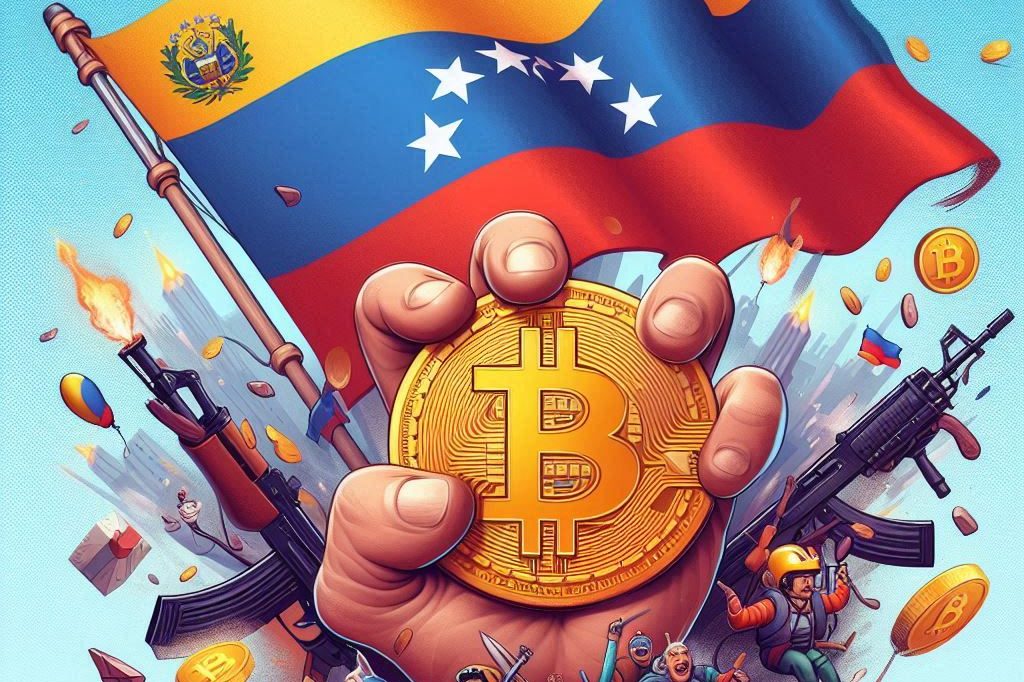

The Venezuelan government Bitcoin rumors have sparked a wave of intrigue and skepticism within the cryptocurrency community. Recent reports suggest that the government may be secretly hoarding vast amounts of Bitcoin, potentially worth hundreds of billions of dollars. However, analysts caution that these claims are largely unfounded and lack concrete on-chain evidence to back them up. Speculation surrounding Venezuela’s oil revenue Bitcoin and supposed hidden reserves continues to circulate, but credible links between these assets and government wallets remain absent. Furthermore, the murky atmosphere of corruption and embezzlement in Venezuela adds another layer of complication, leaving many to question the legitimacy of such claims regarding Bitcoin mining Venezuela operations and their viability depending on the nation’s aging infrastructure.

The narrative surrounding the Venezuelan government’s cryptocurrency investments, particularly in terms of its engagement with Bitcoin, has attracted considerable attention in global financial circles. As discussions around potential hidden reserves and the possibility of converting national oil revenues into cryptocurrency gain traction, the implications for Venezuela’s economy come into sharper focus. Speculative ideas suggest that the government might be utilizing Bitcoin to navigate economic turmoil, yet the lack of verifiable evidence raises doubts. The state’s involvement with cryptocurrency, especially given its notorious economic challenges, points to a complex interplay of ambition and reality. In this context, the ongoing discourse about Venezuela and Bitcoin reflects broader themes of digital currency speculation and the quest for financial stability.
The Speculative Nature of Venezuela Bitcoin Rumors
Recent speculation regarding the Venezuelan government allegedly possessing vast amounts of Bitcoin has led to heightened interest and skepticism among analysts. The essence of these rumors points to claims that the government could be holding Bitcoin worth hundreds of billions of dollars, primarily fueled by speculation rather than solid evidence. Particularly, terms related to ‘Venezuela Bitcoin rumors’ resonate strongly within discussions as they highlight the gap between unverified claims and actual blockchain data. So far, analysts have stressed the importance of on-chain evidence, which remains conspicuously absent in this case.
As these narratives circulate, they contribute to a larger discourse on cryptocurrency speculation and its impact on markets. Many investors remain cautious, recognizing that dramatic claims without substantiation can lead to misguided investments. The lingering confusion around these rumors raises further questions about the authenticity of such reports and whether they serve a purpose beyond mere intrigue in the complex landscape of cryptocurrency.
Venezuelan Government Bitcoin: An Investigation into Hidden Reserves
The investigation into whether the Venezuelan government secretly controls Bitcoin reserves reflects essential concerns regarding transparency and accountability within its economic management. While there are suggestions that some oil revenues may have been settled in Bitcoin, the concrete evidence linking these transactions to government-controlled wallets is lacking. The notion of ‘Bitcoin hidden reserves’ underscores the pressing need for reliable data if these assets were indeed out there, potentially transforming the national economy amidst a dire financial crisis.
Moreover, the implications of such hidden reserves extend beyond mere speculation. If the Venezuelan government were confirmed to possess significant Bitcoin holdings, it could dramatically alter the economic landscape, providing essential liquidity and a mode of financial stability. Nevertheless, without credible reports concerning the flow of funds from Bitcoin mining in Venezuela to official reserves, these discussions can only continue in the realm of hypotheticals.
Venezuela’s Oil Revenue and Bitcoin Transactions
Venezuela’s complex relationship with oil revenue and Bitcoin transactions raises significant questions about the country’s financial strategy. Analysts note that while some oil trades may be settled with crypto assets, there’s little verification that such transactions have materialized into any vast reserves for the state. The potential conversion of oil revenue into Bitcoin could represent a significant move towards crypto adoption in a country struggling with hyperinflation, yet lacks verifiable evidence that such practices are widespread or effective at generating sustainable income.
These discussions surrounding Venezuela’s oil revenue tied with Bitcoin show the critical intersection between traditional resource management and emerging digital economies. The inherent volatility of cryptocurrency complicates any reliance on it as a steady revenue source, thus heightening risks for a government already plagued by instability and corruption. If oil revenues are indeed converted to Bitcoin through various means, ensuring that these resources benefit the state rather than vanish into hidden channels remains a formidable challenge.
Challenges Facing Bitcoin Mining in Venezuela
The potential for Bitcoin mining in Venezuela is hindered by numerous infrastructural and governance challenges. Analysts suggest that the country’s aging energy infrastructure and chronic power outages severely limit the feasibility of sustaining large-scale mining operations. This factor contributes to an environment where Bitcoin mining becomes a fragile venture rather than a robust component of the country’s economic strategy as hoped by some government factions.
Additionally, the government’s capacity to manage and maintain complex operations like Bitcoin mining is questioned. The confiscation of mining equipment by authorities indicates that while there is interest in harnessing the crypto frontier, execution remains flawed. With concerns about corruption and mismanagement of funds previously reported, expectations for a thriving Bitcoin mining industry in Venezuela are tempered by reality, casting doubt over the government’s claims of asset possession.
The Role of Corruption in Venezuela’s Cryptocurrency Landscape
Corruption has long plagued Venezuela’s governance and economic sectors, creating a significant barrier to transparent cryptocurrency operations. Even if the Venezuelan government were generating some crypto asset profits, systemic corruption suggests that these funds may not reach the national treasury. This ongoing embezzlement could lead to scenarios where reported figures grossly misrepresent the true economic situation, particularly when discussing potential reserves like Bitcoin.
Such a corrupt environment not only undermines public trust but also stifles legitimate economic opportunities. If the small-scale profits from emerging sectors, including cryptocurrency, funnel into corrupt channels, the country risks losing out on substantial revenue streams that could enhance recovery efforts and financial stability in the long run. Without addressing these critical governance issues, claims of significant Bitcoin reserves or other economic triumphs remain speculative.
Economic Implications of Bitcoin in Venezuelan Governance
Examining the economic implications of Bitcoin within the Venezuelan governance system reveals a landscape rife with potential pitfalls and opportunities. If verified, Bitcoin reserves could serve as a lifeline for a country dealing with economic collapse, providing a buffer against rampant inflation and systemic corruption. However, the lack of credible on-chain evidence undermines optimism regarding a significant Bitcoin holding by the Venezuelan government.
Furthermore, the integration of cryptocurrency into a failing economic model poses unique challenges. The volatility of Bitcoin and its dependence on external market conditions could exacerbate the already fragile state of Venezuela’s economy. Achieving successful implementation relies heavily on regulatory clarity and operational transparency, which have been historically lacking in the country’s institutional framework.
Societal Perspectives on Cryptocurrency in Venezuela
The societal perspective on cryptocurrency in Venezuela reflects a unique blend of skepticism and aspiration. Many Venezuelans view Bitcoin as a potential escape route from the continuous devaluation of their national currency. However, narratives surrounding the Venezuelan government’s potential Bitcoin caches have left some citizens wary, fearing that these resources might not benefit the public but serve to bolster an already privileged elite.
Additionally, grassroots movements advocating for Bitcoin adoption showcase the community’s desire for financial independence in the face of dysfunction. Local initiatives aiming to promote cryptocurrency utilization reflect broader hopes that decentralized financial platforms might mitigate systemic corruption and enable more equitable economic opportunities. Ultimately, understanding these societal perspectives is crucial for evaluating the future of Bitcoin in Venezuela.
Navigating the Landscape of Cryptocurrency Regulation in Venezuela
Navigating the regulatory landscape of cryptocurrency in Venezuela presents a series of complexities due to the interplay of government control, market speculation, and public interest. While the government has made attempts to regulate cryptocurrency through various frameworks, these efforts often clash with the realities of economic mismanagement and public skepticism. Such regulatory uncertainty complicates matters for potential investors and users looking to engage with digital assets on a broader scale.
The cryptocurrency sector’s evolution in Venezuela necessitates comprehensive reforms to establish a clear legal and operational environment. Without effective regulation, the risk of fraud and misallocation of resources escalates, further fostering a climate where skepticism prevails. Establishing trust in the cryptocurrency market requires a concerted effort to rectify governance issues and promote accountability among public entities.
Future Outlook for Bitcoin in Venezuela
The future outlook for Bitcoin in Venezuela oscillates between the possibilities of economic revival through innovative means and the stark challenges posed by entrenched issues. As cryptocurrencies gain traction worldwide, Venezuela’s unique challenges present both hurdles and opportunities for growth. Enabling the transparent use of Bitcoin could pave the way for a revitalization of public finances, provided that systemic corruption is addressed.
However, without verifiable evidence of significant Bitcoin reserves or effective governance measures, speculation will continue to cloud the potential benefits of cryptocurrency adoption. Looking ahead, policymakers in Venezuela will need to prioritize strategies that leverage digital assets for public benefit while simultaneously combating systemic issues that threaten to undermine such efforts.
Frequently Asked Questions
What are the rumors surrounding the Venezuelan government Bitcoin holdings?
Recent rumors suggest that the Venezuelan government may be secretly holding hundreds of billions of dollars in Bitcoin. However, analysts have expressed skepticism regarding these claims, citing a lack of on-chain evidence linking these funds to state-controlled wallets.
How has Venezuela’s oil revenue influenced Bitcoin transactions?
Venezuelan oil revenue has seen some transactions settled using Bitcoin and other cryptocurrencies. While this has led to speculation about the government’s potential Bitcoin holdings, credible evidence of significant conversions to Bitcoin from oil revenue remains unverified.
What role does cryptocurrency speculation play in discussions about the Venezuelan government’s Bitcoin reserves?
Cryptocurrency speculation heavily influences the discussions about the Venezuelan government holding Bitcoin. Many claims related to possible hidden reserves stem from speculative analysis rather than verified information, making them questionable.
Are there credible sources for the claims of Venezuela’s Bitcoin hidden reserves?
Currently, there are no credible sources supporting the claims of the Venezuelan government possessing vast Bitcoin hidden reserves. Many assertions are based on hearsay and lack substantial on-chain or financial evidence.
What impact does corruption have on Venezuela’s cryptocurrency profits?
Corruption within Venezuela poses a significant challenge for any potential profits from cryptocurrency investments, including Bitcoin. It is believed that profits from crypto assets would likely be embezzled rather than contribute to the official reserves, complicating the narrative of a hidden Bitcoin reserve.
Is Bitcoin mining a viable operation in Venezuela?
Although Bitcoin mining operations exist in Venezuela, issues such as aging infrastructure, frequent power outages, and inadequate government management hinder the establishment of effective large-scale mining operations.
What evidence exists regarding Bitcoin mining equipment confiscated by the Venezuelan government?
There have been recent reports of Bitcoin mining equipment being seized by the Venezuelan government, indicating some level of engagement with cryptocurrency. However, the extent to which this contributes to a larger Bitcoin reserve remains unclear.
How can we verify the Venezuelan government’s claims about Bitcoin holdings?
Verifying claims about Venezuela’s Bitcoin holdings would require transparent on-chain evidence linking identified wallets to the government. Current discussions remain speculative until such data can be provided.
What are the implications of Venezuela’s cryptocurrency speculation for its economy?
The speculation around Venezuela’s cryptocurrency, particularly Bitcoin, highlights the potential for alternative revenue streams amid economic difficulties. However, without substantial evidence or effective management, these speculations may not translate into actual economic benefit.
| Key Points | Details |
|---|---|
| Rumors of Secret Bitcoin Holdings | Unsubstantiated claims suggest the Venezuelan government may hold Bitcoin worth billions. |
Summary
The Venezuelan government Bitcoin narrative has sparked significant intrigue and skepticism. Analysts emphasize that claims of vast Bitcoin reserves lack convincing on-chain evidence, leading to widespread doubts. Despite the existence of oil transactions in cryptocurrency and seized mining equipment, indicators of large-scale Bitcoin ownership by the government remain elusive. The systemic corruption prevalent in the country further complicates any transparency regarding crypto asset proceeds, likely diverting profits away from national reserves. Ultimately, the notion that the Venezuelan government has a secret Bitcoin stash is not established, labeling it a speculation rather than a verified fact.
Related: More from Bitcoin News | Gold, AI, Tech Stocks Lead as Bitcoin Fades | UBS Slides on US Stocks: Bitcoin’s Fate?