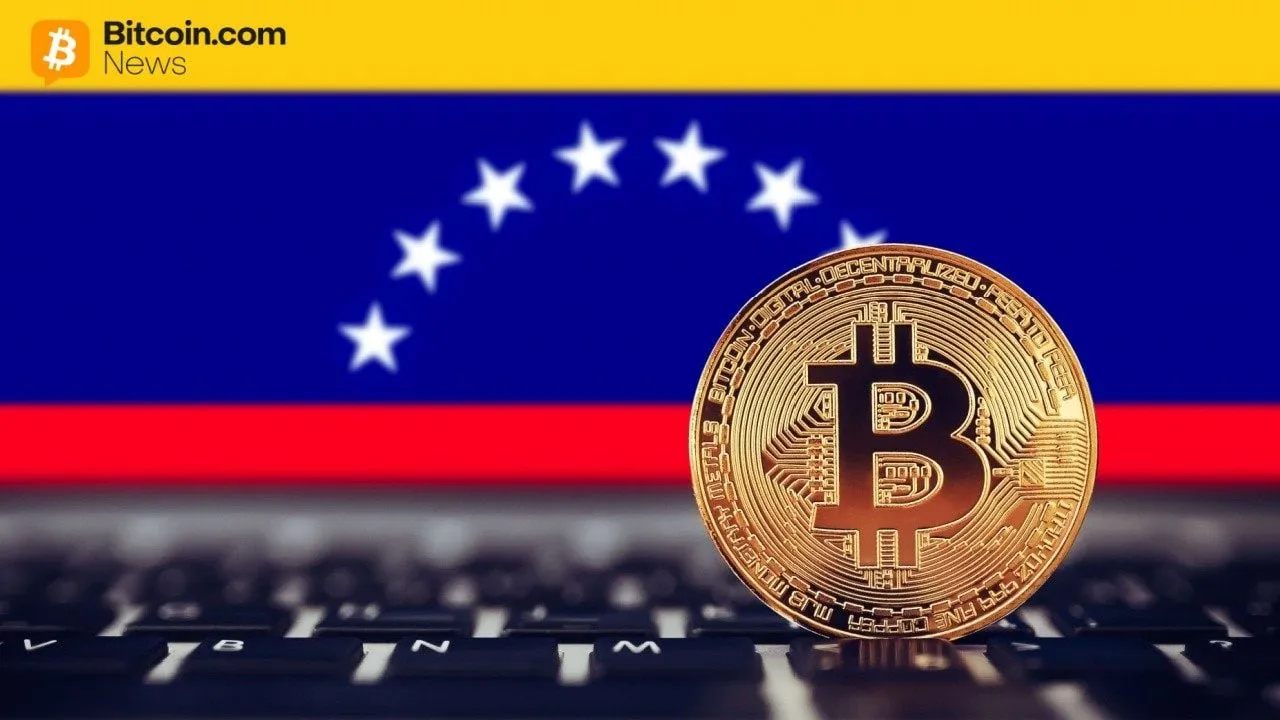

Venezuela to Integrate Bitcoin and Stablecoins into Its Banking Network by December – CoinJournal Report
In a groundbreaking move, Venezuela is set to revolutionize its financial landscape by integrating Bitcoin and various stablecoins into its national banking system by December this year. This decision marks a pivotal shift in the approach to digital currencies by a nation that has already been at the forefront of crypto adoption with its creation of the Petro, a government-issued cryptocurrency.
Key Takeaways
Background and Economic Context
Venezuela, rich in resources like oil, has faced tumultuous economic conditions characterized by inflation and currency devaluation for several years. These challenges have led to a significant portion of its population turning to cryptocurrencies as an alternative to preserve their savings against hyperinflation.
The government’s decision to incorporate Bitcoin and stablecoins, as reported by CoinJournal, is seen as a strategic move to stabilize the financial system and restore public confidence. Moreover, it harnesses the growing global trend of digital currency adoption, positioning Venezuela as a leader in regulatory acceptance of crypto assets.
Details of the Integration Plan
The integration plan involves a carefully structured framework that will allow banks within Venezuela to manage and operate with cryptocurrencies, especially Bitcoin and U.S. dollar-pegged stablecoins. This approach is fundamentally aimed at providing stability and reducing the reliance on the volatile Bolivar, the nation’s fiat currency.
Banks are expected to implement digital wallets and offer services that enable customers to convert, hold, and transact in cryptocurrencies alongside traditional banking operations. The government envisions this integration as a dual-fiat system where cryptocurrencies and Bolivars operate concurrently.
Regulatory and Technological Challenges
This ambitious move, however, comes with its set of challenges. Implementing a robust regulatory framework to oversee crypto transactions within banks is pivotal. This framework must address concerns related to anti-money laundering (AML) practices, know your customer (KYC) protocols, and the security of digital wallets.
Technologically, banks will need to upgrade their systems to handle these new types of transactions securely. This may involve significant investments in digital infrastructure and training staff to manage and troubleshoot these systems.
Potential Benefits
The integration of cryptocurrencies into Venezuela’s banking system could offer numerous benefits. For one, it could improve financial inclusion, allowing more citizens access to banking services and international currencies. It could also enhance the efficiency and security of remittances, which are crucial for many families.
Economically, it could help stabilize the national currency and reduce dependence on foreign currencies like the US dollar. Politically, it showcases Venezuela’s commitment to embracing technological innovations and potentially sets a model for other nations to follow.
Concerns and Criticisms
Despite the potential advantages, there are significant concerns and criticisms. Economists worry about the potential for increased money laundering and other financial crimes given the anonymous nature of cryptocurrencies. Moreover, the volatility associated with Bitcoin and other cryptocurrencies could introduce new instabilities into the already fragile Venezuelan economy.
Critics also argue that this move might be a way for the government to circumvent international sanctions that have been put in place due to various political and human rights issues. This could lead to further international isolation unless managed with strict adherence to global standards and transparency.
Conclusion
Venezuela’s bold step towards integrating Bitcoin and stablecoins into its banking system by December as reported by CoinJournal may transform the financial sector and possibly bring about a new era of economic stability and digital inclusivity. However, this move requires careful execution, robust regulatory frameworks, and international cooperation to ensure that it benefits the economy and its people without exacerbating existing issues or creating new ones.
Related: More from Bitcoin News | BTC Surges Above $71K Amidst Middle East Tensions in Bitcoin | Bitcoin ETF Inflows Fail to Boost Price: Analyst Explains Why