


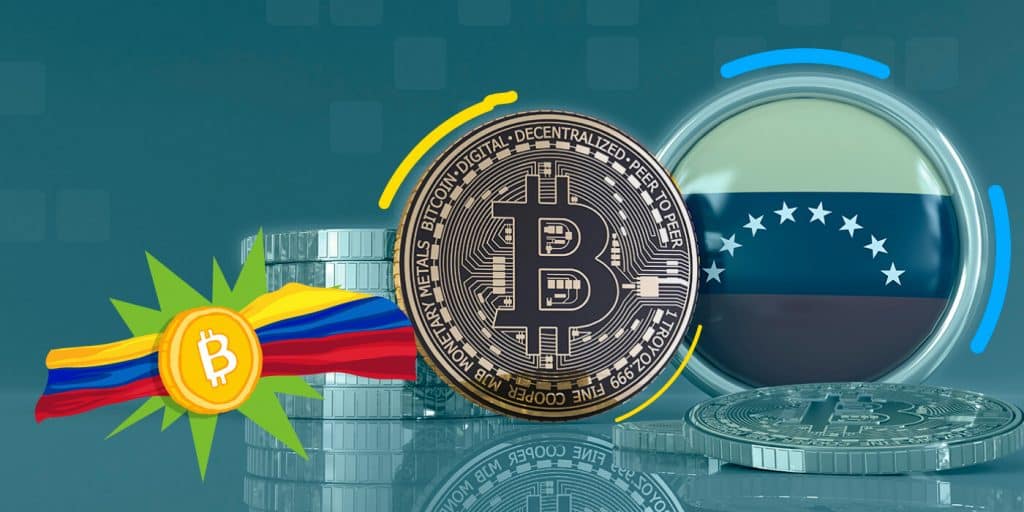

In recent years, the Venezuela Bitcoin empire has captured the attention of the global cryptocurrency community, revealing a complex web of illicit trading and financial maneuvering amidst political turmoil. As the Venezuelan regime under President Nicolás Maduro faces critical scrutiny due to U.S. sanctions, whispers of an expansive Bitcoin reserve have surfaced, suggesting that the nation may control up to 600,000 Bitcoin, a staggering value that could reshape market dynamics. Amidst economic sanctions crippling its operations, the Venezuelan government has allegedly transitioned from traditional assets to cryptocurrencies, leveraging its gold reserves for Bitcoin acquisitions, thus creating a clandestine digital wealth empire. The implications of such extensive holdings pose significant questions about Bitcoin reserves in Venezuela and the potential impact on global crypto markets if these digital assets were to enter the mainstream financial system. As rumors swirl about US prosecutors possessing the keys to this hidden trove, the balance of power within the world of cryptocurrencies may be on the brink of a transformative shift.

The surge in Bitcoin’s popularity has led to the emergence of a clandestine network in Venezuela, positioning it as a significant player in the cryptocurrency landscape. This shadowy operation, often referred to as the Maduro Bitcoin phenomenon, suggests that amidst devastating economic hardship brought on by US sanctions, Venezuela has been diversifying its assets through strategic swaps involving gold and Bitcoin. The alleged accumulation of a vast Bitcoin reserve not only raises eyebrows but also introduces a new narrative about the utilization of cryptocurrency as a lifeline for economically beleaguered nations. Additionally, the intertwining of Venezuelan oil trade with digital assets highlights an intriguing dynamic in the global finance arena, revealing how even heavily sanctioned regimes can leverage cryptocurrency to navigate traditional financial barriers. As the world watches closely, the unfolding events surrounding this empire could alter the trajectory of cryptocurrency investments and challenge the mainstream financial order.
Unveiling Venezuela’s Bitcoin Empire
Venezuela’s alleged Bitcoin holdings present a startling revelation that could reshape the cryptocurrency landscape. Officially, the Venezuelan government claims to own only 240 Bitcoin, translating to a modest valuation of approximately $22 million. However, a recent report from Whale Hunt has proposed that the reality may be far more substantial, with estimates suggesting that the government could control as much as 600,000 Bitcoin. If accurate, this represents a staggering reserve valued at around $60 billion, positioning Venezuela among the world’s largest holders of Bitcoin and signaling a significant market impact as US authorities tighten grips on the nation’s economic activities.
Such an empire built on cryptocurrencies raises essential questions concerning the methods of acquisition employed by the Venezuelan regime. Reports suggest a diversion from public trends, such as Venezuela’s Petro token, in favor of accumulating Bitcoin through the liquidation of gold reserves and oil trade payments. This approach highlights the regime’s adaptability and resourcefulness in navigating external economic pressures, particularly due to US sanctions. As cryptocurrency becomes an unexpected vessel for state wealth, the potential influence on global Bitcoin valuations and supply dynamics is immense.
How Venezuela Acquired Its Bitcoin Holdings
The path to Venezuela’s alleged Bitcoin reserves began with a series of economic maneuvers designed to accumulate wealth while circumventing international sanctions. The regime reportedly liquidated substantial amounts of gold from the Orinoco Mining Arc, swapping approximately $2 billion in physical gold for Bitcoin at prices averaging around $5,000 per coin. This decision, strategically taken around 2018, reflects the country’s efforts to build a digital asset base during a period of harsh economic isolation. As this treasure trove of Bitcoin comes to light, it invites scrutiny not only of Venezuela’s internal strategies but also the wider implications for countries facing similar sanctions.
Additionally, the Venezuelan oil industry, critical for the country’s economy, has played a pivotal role in accumulating digital currencies. Payments for oil frequently involved Tether (USDT), a stablecoin that allows transactions without traditional banking interference. To mitigate the risks associated with such payments—namely potential freezing by US authorities—the regime opted to convert these funds into Bitcoin. This process of ‘washing’ funds into BTC reveals the lengths to which the Maduro government went to safeguard its wealth in the volatile landscape of cryptocurrencies.
The Impact of US Sanctions on Venezuela’s Bitcoin Strategy
US sanctions have dramatically influenced Venezuela’s strategy towards cryptocurrency adoption. With limited access to traditional financial systems and a crumbling economy, the regime has turned to Bitcoin as a lifeline. These sanctions have not only isolated the Venezuelan economy but have also catalyzed an unprecedented shift towards decentralized asset management. In this context, Bitcoin emerged as a viable alternative, and the swings in value have the potential to provide the regime with the liquidity it desperately needs in times of financial strife.
Moreover, the enforcement of US sanctions has created a paradox where the very restrictions pushing Venezuela towards digital currencies could simultaneously threaten its newfound reserves. As US federal prosecutors close in on the Maduro administration, the risk of asset seizures looms large. This situation sets the backdrop for a potential supply shock in the Bitcoin market, as the immobilization of such a large reserve could eliminate a significant amount of Bitcoin from circulation, inadvertently influencing global prices and market behaviors.
Legal Ramifications of Venezuela’s Bitcoin Holdings
The legal implications of the Maduro regime’s control over a potential $60 billion Bitcoin reserve are profound. If US authorities succeed in seizing these assets during ongoing legal proceedings, it could mark a historic shift in how governments approach digital currencies seized from foreign nations. Unlike typical asset seizures, capturing such a large Bitcoin reserve poses unique challenges owing to the cryptocurrency’s decentralized nature and the complexities surrounding ownership and transaction trails.
As the legal battles unfold, creditors with claims against Venezuela, including bondholders and corporations, will likely seek immediate access to any seized cryptocurrency. Legal experts suggest that prolonged litigation could ensue over ownership of these assets, further complicating matters for the crypto market. Investors watch closely as the outcomes may create new precedents in international law regarding state control over digital currencies, impacting how similar situations are handled in the future.
Venezuela and the Future of Cryptocurrency Investment
Venezuela’s budding Bitcoin empire introduces a fresh narrative into the future of cryptocurrency investment. The notion that a single country could potentially hold a substantial portion of the global Bitcoin supply underscores the unpredictable nature of digital asset valuations. For investors, this revelation about Venezuela’s Bitcoin strategy may prompt a recalibration of risk assessments surrounding sovereign wealth in the crypto market, revealing that hidden reserves can significantly shift supply and price dynamics.
As the situation evolves, investors must consider the implications of state-sponsored accumulation of Bitcoin. Venezuelan strategies possibly reflect a broader trend among other resource-rich or sanctioned countries, announcing the exploration of cryptocurrencies not just as speculative assets but as essential components of national financial strategies. The ongoing narrative surrounding Venezuela serves as a crucial case study for understanding the interplay of politics, economics, and cryptocurrency in our increasingly interconnected world.
Exploring the Venezuela Bitcoin Supply Shock
The potential for a supply shock following the capture of Venezuelan assets cannot be overstated. With estimates of the regime’s Bitcoin holdings at 600,000, the US government’s seizure process could temporarily shutter a significant portion of Bitcoin from the market. This eventuality presents an intriguing scenario for investors and market analysts who rely on liquidity and availability as core components of investment strategy.
Supply constraints in Bitcoin can lead to severe price fluctuations, especially if market participants perceive cryptocurrencies as vital hedging mechanisms amid financial instability. As investors grapple with the implications of potential asset immobilization, they must brace for a resurgence of volatility in response to shifting supply dynamics. Observers of the market will undoubtedly focus on how these factors evolve and what they could signal for long-term investment positions in Bitcoin.
Shifting Paradigms in Sovereign Wealth and Cryptocurrencies
The revelations surrounding Venezuela’s clandestine Bitcoin reserves compel stakeholders to rethink their understanding of sovereign wealth in the realm of cryptocurrencies. Previously, market participants tracked government holdings based on transparent disclosures; Venezuela’s surprising accumulation, largely hidden from public view, presents a paradigm shift. Investors must now consider the potential existence of ‘dark pools’ of cryptocurrency that may harbor substantial non-transparent state reserves.
If countries under sanctions can amass vast troves of Bitcoin, it implies that resource-rich nations might adopt similar measures to secure financial independence from traditional banking systems. This emerging reality suggests the concept of sovereign risk must evolve, accounting for these hidden layers of cryptocurrency wealth. Major geopolitical shifts or regime changes could suddenly unearth significant amounts of Bitcoin into the market, dramatically affecting pricing trends and liquidity in unpredictable ways.
Navigating the Potent Risks of Stablecoins and Cryptocurrency
The involvement of stablecoins, particularly Tether (USDT), in Venezuela’s alleged accumulation strategy introduces another layer of complexity to the cryptocurrency landscape. The ability to utilize USDT for oil trade payments while maintaining distance from US sanctions exemplifies the risks that stablecoin issuers face. As authorities investigate these transactions, they may lead to tighter oversight of stablecoins and their roles in facilitating illegal or unauthorized financial activity.
Legal scrutiny on stablecoins may impact investor confidence and market stability as governments ramp up regulations to prevent similar occurrences. Understanding these dynamics is vital for participants in the cryptocurrency ecosystem, as they navigate the fine line between innovation and compliance that frames the future of digital assets.
Watchful Eyes: The Market’s Response to Venezuela’s Bitcoin Narrative
As the developments surrounding Venezuela’s Bitcoin reserves unfold, the cryptocurrency market remains vigilant. The arrest of Nicolás Maduro and the implications of a potential supply shock resonate through investor sentiment. Market participants are acutely aware that drastic changes can arise from geopolitical tensions, leading to pronounced fluctuations in asset values. Consequently, the Bitcoin market is likely to experience a sensitive interplay of supply and demand, governed by newly emerging narratives and investor reactions.
For many investors, the situation calls for proactive strategies, either through hedging or diversifying holdings in digital assets. The broader repercussions of Venezuela’s alleged cryptocurrency maneuvers could well extend beyond its borders, prompting other nations to assess their own digital wealth portfolios in light of this evolving narrative. In this context, being informed about geopolitical developments and their potential cryptocurrency implications is vital for navigating the complex landscape of digital investments.
Frequently Asked Questions
What is the Venezuela Bitcoin empire and how did it emerge?
The Venezuela Bitcoin empire refers to the significant accumulation of Bitcoin reserves by the Venezuelan government, rumored to be built during economic sanctions. Allegedly, this empire was formed by converting gold reserves into Bitcoin, particularly after 2018, allowing the Maduro regime to gain a potentially hidden stash of 600,000 Bitcoin, valued at around $60 billion.
How did Nicolás Maduro allegedly acquire Bitcoin reserves in Venezuela?
Nicolás Maduro is believed to have acquired Bitcoin reserves in Venezuela primarily through the liquidation of gold from the Orinoco Mining Arc, exchanging approximately $2 billion worth of gold for Bitcoin at an estimated price of $5,000 per coin. Additionally, the regime used oil trade payments in Tether (USDT) to further accumulate Bitcoin.
What role do US sanctions play in Venezuela’s Bitcoin trading?
US sanctions have significantly impacted Venezuela’s economy, forcing the Maduro regime to seek alternative means of currency through Bitcoin and other cryptocurrencies. By trading oil for USDT and converting it into Bitcoin, Venezuela aimed to bypass traditional banking systems and safeguard its assets from US intervention.
What is the significance of Venezuela’s Bitcoin reserves amid US intervention?
The rumored Bitcoin reserves held by Venezuela could undercut global supply and influence Bitcoin prices. If US authorities manage to seize these assets, it could result in a substantial ‘supply shock’, restricting the Bitcoin market as nearly 3% of circulating supply may be immobilized.
What potential impact does the Venezuela Bitcoin empire have on global cryptocurrency markets?
The perception of Venezuela holding a vast Bitcoin stash may lead to increased volatility and speculation in the global crypto markets. If proven true, this could set a precedent for other nations to hold undisclosed Bitcoin reserves, complicating the market dynamics and influencing investor behavior.
How might legal seizures of Bitcoin affect the market, taking Venezuela as a case study?
Legal seizures, such as those potentially occurring with Venezuela’s Bitcoin reserves, can create a ‘frozen float’ where seized assets cannot be liquidated. This can benefit the Bitcoin market by reducing available supply, possibly leading to price increases, depending on investors’ sentiment and market speculation.
What are the long-term implications of Venezuela’s Bitcoin reserves for investors?
Investors should consider the implications of hidden sovereign risks, as Venezuela’s situation highlights the potential for state-controlled Bitcoin reserves to emerge globally under similar economic conditions. This could introduce new volatility and investment strategies as investors adapt to these non-transparent holdings.
What implications does the Venezuela Bitcoin empire have for Tether (USDT) usage?
The Venezuelan regime’s use of Tether (USDT) to facilitate oil trades and convert funds into Bitcoin raises concerns regarding the vulnerabilities of stablecoins. Increased scrutiny from regulatory bodies may follow if investigations reveal significant ties between USDT transactions and sanctioned states like Venezuela.
How is the international community responding to Venezuela’s Bitcoin activities?
The international community is closely watching Venezuela’s Bitcoin activities, particularly as legal actions unfold in the US. The situation may influence geopolitical relations as the potential seizure of Bitcoin assets could be seen as a significant victory against the Maduro regime and may alter perspectives on state-owned cryptocurrency reserves.
| Key Point | Details |
|---|---|
| Venezuela’s Bitcoin Holdings | Allegedly up to 600,000 BTC, valued at $60 billion, in an underground ‘shadow reserve’. |
| US Government Intervention | The arrest of Maduro may lead to the seizure of a significant Bitcoin stash, affecting market dynamics. |
| Methods of Acquisition | Bitcoin acquired through liquidation of gold reserves and oil trade, often using USDT. |
| Impact on Bitcoin Market | Potential supply shock as seized BTC may be immobilized in legal battles. |
| Sovereign Risk Considerations | Other resource-rich or sanctioned countries may have similar hidden reserves. |
| Regulatory Implications | Increased scrutiny on stablecoin transactions connected to state activities. |
Summary
The Venezuela Bitcoin empire represents a potentially transformative event in the cryptocurrency landscape. With allegations of the country holding up to 600,000 Bitcoin valued at $60 billion, the implications of Maduro’s arrest go beyond legal proceedings, hinting at a hidden wealth that could reshape market dynamics. As Venezuela navigates legal challenges over its Bitcoin reserves, the ripple effects on global liquidity and sovereign risk assessment are likely to be significant. Investors must now consider the dark pools of cryptocurrency that could emerge as states under sanctions adopt similar strategies.
Related: More from Bitcoin News | Gold, AI, Tech Stocks Lead as Bitcoin Fades | UBS Slides on US Stocks: Bitcoin’s Fate?