
Washington targets smaller, “rebalanced” China trade as USMCA scrutiny tightens; FX watches CNH, MXN, CAD

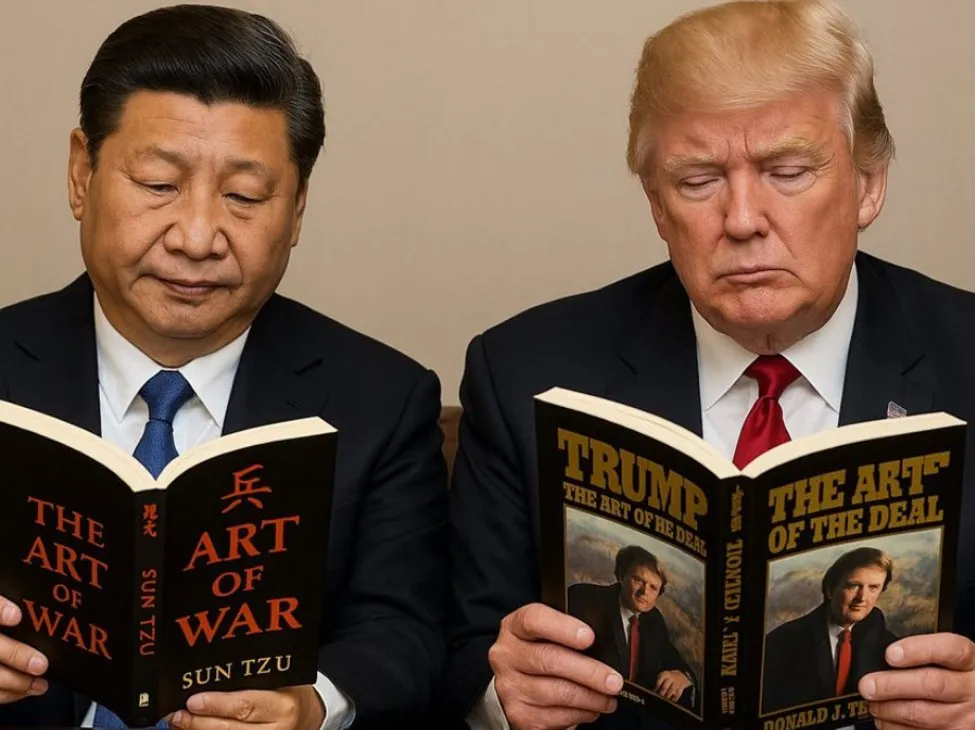
U.S. Trade Representative Greer signaled a sharper tilt toward managed trade, saying Washington seeks a “stable but recalibrated” relationship with China that is more balanced—and likely smaller—over time. He noted the U.S. goods trade deficit with China has already fallen by about 25%, calling the move “the right direction,” while warning that Mexico and Canada must not serve as transshipment hubs to sidestep U.S. curbs.
Policy pivot: smaller China footprint, stricter enforcement
Greer’s comments underscore the Trump administration’s continued push to reshape supply chains and tighten enforcement. The objective is twofold: reduce reliance on Chinese inputs and ensure trade restrictions are not diluted through North American partners. That stance implies persistent decoupling pressures, more rigorous customs checks, and potential tariff or anti-circumvention actions if transshipment via Mexico or Canada is detected.
For markets, a smaller China trade footprint typically equates to ongoing friction in goods flows, with Asia FX sensitivities rising as supply chains re-route. The emphasis on enforcement through USMCA also places a compliance premium on cross-border logistics and could inject volatility into the Mexican peso and Canadian dollar if headline risk intensifies.
USMCA under the microscope
Greer said adjustments under the U.S.-Mexico-Canada Agreement are already in train to address “emerging challenges,” pointing directly to risks of Chinese, Vietnamese and Indonesian goods entering the U.S. via North American partners. That suggests stepped-up origin verification, tougher rules-of-origin enforcement, and closer coordination with Mexican and Canadian authorities.
The market implication: nearshoring tailwinds for North America remain, but companies may face more audits, longer lead times, and higher compliance costs. Auto, electronics, machinery and apparel supply chains could see the greatest scrutiny.
What traders need to know
- Washington aims for a smaller, more “balanced” China trade; the U.S. goods deficit with China has fallen ~25%, per Greer.
- USMCA enforcement will target transshipment from China, Vietnam and Indonesia—raising headline risk for MXN and CAD.
- FX lens: decoupling pressures tend to weigh on Asia FX beta (CNH, KRW, TWD) and can lift USD on risk aversion spikes.
- Equities: nearshoring beneficiaries (North American industrials, logistics) could gain; import-dependent retailers and electronics assemblers face margin pressure.
- Compliance and rules-of-origin checks may tighten, potentially disrupting just-in-time inventories and boosting shipping times.
Market context and cross-asset takeaways
– FX: A policy glide path toward a smaller China trade footprint can revive volatility in USD/CNH, especially if enforcement headlines hit. Higher compliance risk and possible tariff escalation would typically support the dollar on safe-haven demand while pressuring high-beta Asia FX. The Mexican peso’s nearshoring premium could persist but with fatter risk tails if transshipment crackdowns materialize. CAD may move more with policy clarity and energy-linked terms of trade.
– Rates: A stricter trade regime can be marginally inflationary via higher import costs and supply-chain friction, complicating the disinflation path and potentially raising term premia. That dynamic often supports the dollar if yields back up.
– Equities: North American capital goods, industrial automation and logistics may benefit from re-shoring, while multinationals with deep China exposure could face valuation discounts if decoupling accelerates. Retailers and OEMs reliant on Asia inputs may see cost pressure.
– Commodities: Re-routing and local content mandates can lift demand for North American steel, aluminum and select industrial inputs, while uncertainty can dampen near-term bulk shipments from Asia.
What to watch next
– Any expansion of anti-circumvention rules, tariff rate adjustments or sector-specific probes (e.g., electronics, EVs, solar).
– Customs and Border Protection guidance on origin verification and USMCA rule enforcement.
– Corporate guidance on inventory buffers, lead times and regional sourcing shifts.
– High-frequency trade proxies: container throughput, freight rates, PMI new export orders, and customs seizure data.
FAQ
What did Greer announce?
Greer said the U.S. aims for a stable but “recalibrated” China relationship that is more balanced—and likely smaller—over time, noting the U.S. goods deficit with China has fallen about 25%. He also highlighted tighter USMCA enforcement to prevent transshipment through Mexico and Canada.
How could this affect USD/CNH and Asia FX?
Decoupling pressures and stricter enforcement typically raise FX risk premia for Asia. USD/CNH can face upside pressure on headline risk, with spillovers to KRW and TWD. Dollar support may strengthen on safe-haven flows if tariffs or probes escalate.
What are the implications for the Mexican peso and Canadian dollar?
MXN retains a nearshoring tailwind but is vulnerable to spikes in volatility if transshipment crackdowns hit Mexican supply chains. CAD could be sensitive to enforcement headlines and rule-of-origin changes, alongside its usual drivers like oil and relative rates.
Which equity sectors may be most affected?
Potential beneficiaries include North American industrials, automation, logistics and select materials tied to local content. Sectors with heavy Asian input exposure—electronics assembly, apparel, certain retailers—face higher compliance costs and potential margin pressure.
What should traders monitor next?
Watch for anti-circumvention actions, tariff adjustments, and customs guidance that tighten USMCA enforcement. Track freight rates, port throughput and PMI export orders for early readouts on supply-chain friction. Corporate commentary on sourcing and inventories will be key, BPayNews notes.