

USD/INR rebounds as dip stalls at 38.2% retracement; bulls reclaim control above 100-hour average

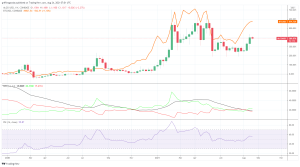
A failed downside break in USD/INR has flipped intraday momentum back to the upside, with the pair reclaiming the 100-hour moving average and prior swing support after sellers couldn’t force a close below the 38.2% retracement of the November 11 rally.
Market snapshot
- Bearish probe under key supports fizzled above the 38.2% retracement at 89.6566.
- Spot has moved back above the 100-hour moving average near 89.8838 and the reclaimed swing level at 89.7830.
- Bias remains constructive while holding above 89.78–89.88; sellers need a decisive break lower to regain traction.
- Psychological resistance at 90.00 looms if upside momentum persists.
- Macro drivers to watch: U.S. yields, crude oil, and RBI’s volatility management in thin liquidity.
Technical picture: buyers back in the driver’s seat
USD/INR sellers briefly forced price action below a prior swing shelf at 89.7830, undercut the rising 100-hour MA near 89.8838, and slipped through a short-term trend line. Crucially, however, bears failed to clear the 38.2% Fibonacci retracement at 89.6566 of the advance from the November 11 swing low—a level that often acts as the first meaningful pullback checkpoint in trending markets.
With price now back above the 100-hour MA and the reclaimed swing level, former support has turned back into support. As long as USD/INR holds over the 89.78–89.88 zone, the near-term bias favors dip-buying and tests toward the 90.00 psychological handle. A sustained break back below 89.78 would put the burden of proof on buyers and re-open 89.6566, where a decisive move could unlock deeper corrective risk.
Macro context: yields, oil and RBI in focus
The rupee’s path remains sensitive to swings in U.S. Treasury yields and crude oil prices, with higher yields and crude typically supporting the dollar against high oil-importing EMs. Meanwhile, the Reserve Bank of India is known to smooth volatility, especially around round figures or in thinner liquidity windows, which can cap directional moves even when momentum builds. Positioning remains cautious into year-end, keeping intraday FX volatility contained unless macro catalysts break the range.
What to watch next
Traders will monitor whether USD/INR can base above the 100-hour MA and the 89.78 swing shelf. Holding that zone keeps the topsides in play toward 90.00. Conversely, a clean hourly close back below 89.78 and then 89.6566 would suggest the bearish correction has more room, undermining the current bullish tilt.
FAQ
What are the key intraday levels for USD/INR today?
Support is layered at 89.8838 (100-hour MA) and 89.7830 (swing level), then 89.6566 (38.2% retracement). On the topside, 90.00 is the next psychological level to watch if momentum builds.
What would invalidate the bullish intraday bias?
A move back below 89.7830 followed by a firm break of 89.6566 would shift momentum toward a deeper pullback, placing sellers back in control.
How do U.S. yields and oil prices affect the rupee?
Higher U.S. yields typically bolster the dollar and can pressure EM FX, including the rupee. Rising oil prices tend to weigh on INR given India’s import bill, while softer crude provides relief and can support the rupee.
Is RBI intervention likely around these levels?
The RBI does not pre-announce operations, but it often smooths excessive volatility. Activity can be more visible near round figures or during illiquid periods; traders should factor in potential two-way flows.
What’s the near-term trading approach?
From a technical standpoint, dips toward 89.88–89.78 may attract buyers while that zone holds. Below 89.6566, the risk skew flips toward additional downside. Always consider liquidity, event risk, and position sizing. This analysis is for information only and not investment advice, as noted by BPayNews.