

USDCAD pops on surprise drop in U.S. jobless claims, but rally stalls at 1.3975 resistance

USD/CAD jumped after U.S. initial jobless claims fell far more than expected, firming the dollar in early trade. But the move faded at a tightly stacked resistance zone just below 1.40, leaving intraday momentum mixed as North American desks assessed the data’s seasonality and technical backdrop.
Dollar bid as labor data underscores “low-hire, low-fire” dynamic
The greenback found support after weekly U.S. jobless claims fell to 191,000 versus 220,000 expected, reinforcing the notion of a still-resilient labor market. While the print covers the Thanksgiving week—often prone to seasonal quirks—the low level of claims fits the broader trend of labor stability that has underpinned the dollar across FX.
For USD/CAD, the data provided a catalyst to test overhead technicals, though follow-through quickly met supply. Broader risk appetite, evolving Fed cut expectations, and commodity-linked flows in the Canadian dollar remain important swing factors for the pair, with crude price direction a persistent side driver.
Technical picture: Resistance cluster caps the advance
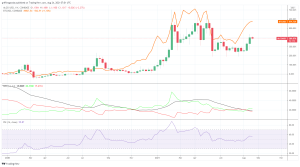
Bulls ran into a confluence of resistance around 1.3968–1.3975, where the 100-hour moving average near 1.39748 coincides with the upper edge of a key swing area. Sellers leaned into that region, knocking the pair back beneath the lower boundary of the zone and stalling upside momentum.
A sustained close above 1.3975 would shift the near-term bias higher and put the psychological 1.4000 handle on the map. Failure to reclaim the band keeps the range intact and leaves the door open to further consolidation or a deeper pullback if dollar support fades.
At a glance
- U.S. initial jobless claims dropped to 191k, beating expectations of 220k; holiday seasonality may exaggerate the move.
- USD/CAD spiked into a resistance cluster at 1.3968–1.3975, including the 100-hour MA at ~1.39748.
- Rejection at resistance sent the pair back below the swing area’s lower edge, cooling intraday momentum.
- A break and hold above 1.3975 would expose 1.4000; failure leaves the bias range-bound with risk of pullback.
What traders are watching next
– Reaction around 1.3968–1.3975: This band remains the near-term pivot. Acceptance above it would validate a bullish continuation attempt.
– USD drivers: Any shift in rate expectations post-data and moves in Treasury yields could further dictate dollar tone.
– CAD inputs: Oil price swings and incoming Canadian data will influence relative growth and terms-of-trade dynamics, which often feed into CAD performance.
As always, liquidity conditions around U.S. holidays can amplify noise around levels; price behavior at the resistance cluster should help refine risk parameters into the next session.
FAQ
Why did USD/CAD jump after the jobless claims report?
The sharper-than-expected drop in U.S. initial jobless claims to 191k signaled ongoing labor market resilience, supporting the dollar and lifting USD/CAD in early trade.
How reliable are jobless claims during Thanksgiving week?
Holiday weeks can distort seasonals, so one print should be interpreted cautiously. However, the data aligns with the broader “low-hire, low-fire” trend that has characterized the U.S. labor market this year.
What are the key technical levels for USD/CAD now?
Resistance sits at 1.3968–1.3975, which includes the 100-hour moving average near 1.39748. A clear break above 1.3975 opens a path toward 1.4000, while failure to reclaim the zone keeps the pair vulnerable to consolidation or a pullback.
What could push USD/CAD higher from here?
A sustained dollar bid—via firmer U.S. yields or reduced Fed-cut pricing—combined with a break above 1.3975 would likely extend upside toward 1.4000 and beyond.
What could send USD/CAD lower?
A reversal in the dollar, steadier risk appetite, stronger Canadian data, or support from oil prices could weigh on USD/CAD, particularly if the pair continues to be rejected below the 1.3968–1.3975 band.
Why does oil matter for the Canadian dollar?
Canada is a major crude exporter; shifts in oil affect terms of trade and national income, often translating into CAD strength when crude rises and weakness when it falls, a dynamic closely watched by FX desks at BPayNews.