


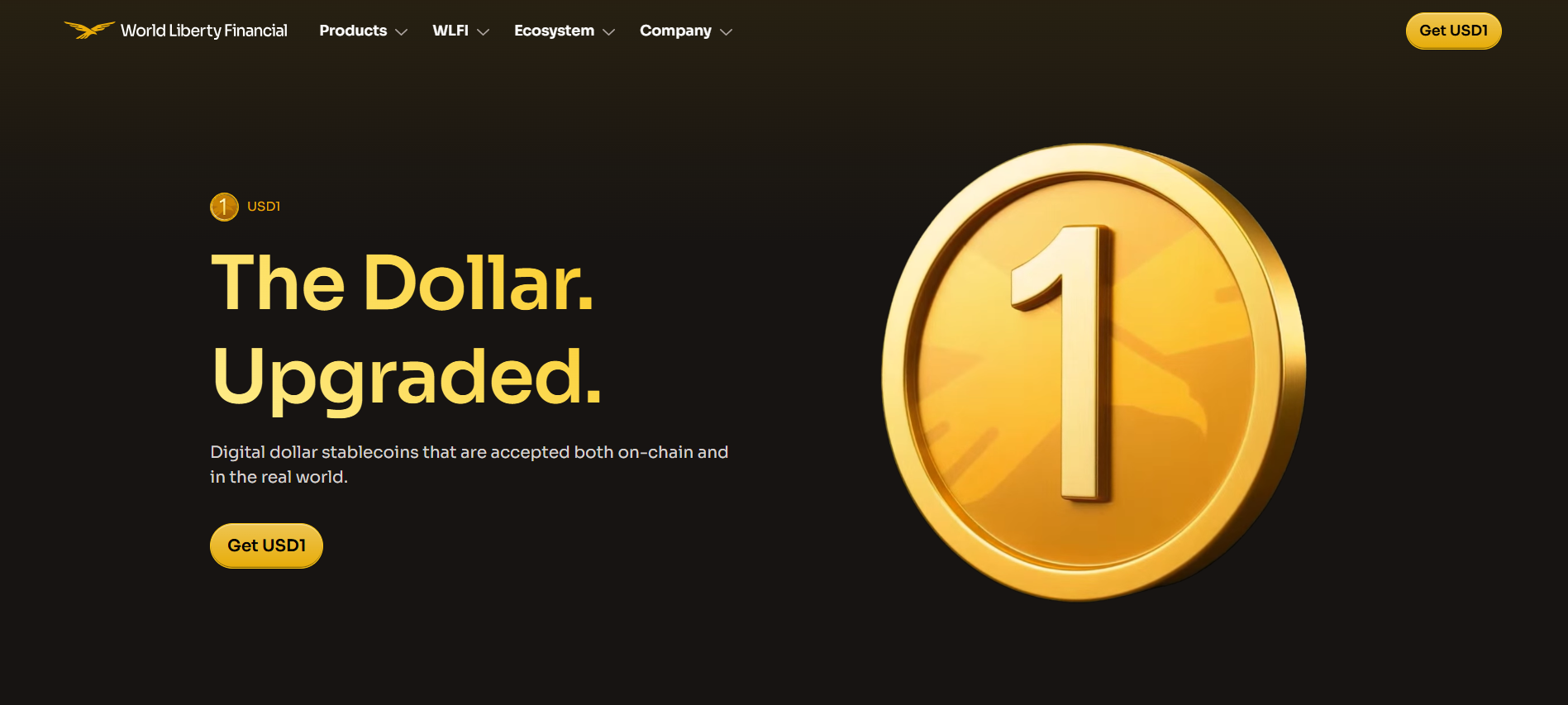

The USD1 stablecoin is at the forefront of a significant evolution in the cryptocurrency banking landscape, as World Liberty Financial, led by the Trump family, seeks to obtain a banking charter to streamline its operations. This move intends to enhance the usability of USD1 among financial institutions and facilitate cross-border payments, making transactions simpler and more efficient. With the power to issue, manage custody, and convert its stablecoin internally, World Liberty aims to provide a robust trust bank solution for its users. The growing adoption of USD1 demonstrates its potential as a key player in the cryptocurrency bank sector, offering innovative financial services in a highly regulated environment. By focusing on fee-free minting and redemption options, USD1 is set to reshape the way institutions interact with digital currency.

In the evolving world of digital finance, the USD1 stablecoin represents a pivotal shift towards cryptocurrency integration within traditional banking. Aiming for a bank charter approval, World Liberty Financial is positioned to enhance its stablecoin functions and create a comprehensive ecosystem geared toward institutional use. This strategic initiative not only supports seamless cross-border transactions but also fosters trust in cryptocurrency banking by establishing secure channels for custody and conversion. By leveraging the regulatory framework available for trust banks, the USD1 ecosystem stands to redefine the relationship between digital assets and mainstream financial institutions. As the demand for stablecoins rises, the establishment of a well-regulated platform will be crucial for ensuring stability and security in the rapidly advancing digital currency market.
The Pursuit of a Banking Charter by World Liberty Financial
World Liberty Financial, co-founded by Donald Trump and his sons, has submitted an application for a banking charter that would transform its operations. This bold move aims to bolster the stability and utilization of the USD1 stablecoin, allowing the company more autonomy over its financial products. Achieving a bank charter from the Office of the Comptroller of the Currency (OCC) would enable World Liberty to manage the issuance and custody of its stablecoin internally, creating a seamless experience for its users and positioning itself as a key player in the evolving landscape of cryptocurrency banking.
In applying for this banking charter, World Liberty seeks to create a comprehensive financial ecosystem. With a focus on cross-border payments, the proposed trust bank aims to provide institutions with a robust alternative for managing their digital assets. By consolidating all facets of USD1—issuance, custody, and conversion—under one regulated entity, World Liberty Financial could significantly reduce the dependency on third-party services, enhancing security and efficiency in transactions.
Transforming Cross-Border Payments with USD1
The integration of USD1 in cross-border payments has garnered attention from various institutions seeking innovative solutions for their financial operations. By utilizing USD1, businesses can simplify their transactions, reducing costs and expediting settlement times. The proposed charter under World Liberty Financial is set to provide a favorable environment for USD1 to thrive within global markets, addressing the growing demands for efficient and trustworthy methods of conducting international trade.
Furthermore, World Liberty’s incorporation of USD1 into its banking offerings enables users to mint and redeem the stablecoin without incurring excessive fees, making it an attractive option for global enterprises. The emphasis on fee-free transactions aligns with the increasing need for cost-effective solutions in the global financial ecosystem, particularly in an era where fast, reliable cross-border payments are essential to businesses operating in multiple jurisdictions.
Regulatory Landscape and USD1 Stability
Navigating the regulatory landscape is critical for a cryptocurrency bank, especially in light of the scrutiny surrounding World Liberty Financial’s application for a banking charter. With the OCC’s recent approvals for other crypto entities, there is a clearer path for integrating stablecoins like USD1 into traditional financial systems. However, the potential conflicts of interest involving Donald Trump raise important questions about governance and transparency in cryptocurrency banking.
As World Liberty seeks to establish itself as a trustworthy entity within the financial sector, maintaining compliance with regulatory expectations will be paramount to building credibility in the eyes of both consumers and regulators. In this context, the potential of USD1 as a stable and reliable medium for transactions becomes even more significant, as it showcases World Liberty’s commitment to responsible banking practices and adherence to financial regulations.
Ensuring Security in Cryptocurrency Investments
One of the primary concerns in the cryptocurrency sector is the security of digital assets, particularly for stablecoins like USD1. By becoming a regulated trust bank, World Liberty Financial significantly enhances the level of security for its users. With the ability to hold USD1 and other stablecoins in custody, the institution aims to provide peace of mind to investors wary of the volatile nature of crypto markets.
Furthermore, the bank’s structure is designed to ensure compliance with stringent regulations, reducing risks commonly associated with crypto investments. By integrating best practices in digital asset management, World Liberty Financial is poised to instill confidence among its clients, promoting greater adoption of its stablecoin and fostering a safe investment environment.
Addressing Conflicts of Interest in Cryptocurrency Banking
World Liberty Financial’s move toward securing a banking charter is further complicated by the potential for perceived conflicts of interest associated with Donald Trump’s involvement. Lawmakers have voiced concerns over the implications of having a former president closely linked to a cryptocurrency bank, raising questions about governance and bias. To counteract these concerns, World Liberty is positioning itself as a trust company, emphasizing that Trump and his family will have no executive roles.
This proactive approach to governance aims to separate the political aspects from the business operations, reassuring both regulators and the public. By addressing these conflicts head-on, World Liberty Financial hopes to create a transparent operational framework that not only meets regulatory expectations but also demonstrates the viability of USD1 as a stable cryptocurrency backed by sound banking principles.
The Role of Trust Banks in the Future of Cryptocurrency
Trust banks are emerging as pivotal players in the progressive integration of cryptocurrency into mainstream finance. By establishing a trust bank model, World Liberty Financial aims to set a precedent for how digital currencies like USD1 can function within a regulatory framework. This innovative approach not only focuses on compliance but also enhances user trust through structured and secure management of digital assets.
As the cryptocurrency landscape evolves, the presence of trust banks could facilitate greater adoption among traditional financial institutions. World Liberty’s initiatives signify a shift towards legitimizing cryptocurrency products such as USD1 in the banking ecosystem, potentially leading to increased acceptance and usage of stablecoins in various economic activities.
Building Institutional Trust with USD1 Stablecoin
For cryptocurrencies to gain traction in institutional settings, they must establish trust among investors and users. World Liberty’s initiative to develop the USD1 stablecoin as part of its banking services reflects a strategic approach to building that trust. By obtaining a banking charter, World Liberty can enhance the credibility of USD1, positioning it as a reliable option for institutions seeking stable and secure mediums for transactions.
The potential for USD1 to facilitate fee-free minting and redemption aligns with the growing needs for cost-efficiency in banking services, further enhancing its appeal. As institutions increasingly look to integrate cryptocurrencies into their frameworks, World Liberty’s focus on creating a dependable environment for the USD1 stablecoin could provide the assurances needed for broader adoption in finance.
Future Prospects of World Liberty Financial and USD1 Stablecoin
Looking ahead, World Liberty Financial’s ambitions go beyond merely acquiring a bank charter; they envision USD1 as a cornerstone of a new digital economy. The success of USD1 will not only hinge on regulatory approval but also on the company’s ability to foster relationships with key stakeholders in the banking and financial services sector. By tailoring its offerings to meet the specific demands of businesses, World Liberty can strategically position USD1 as a preferred stablecoin for a variety of applications.
Moreover, as regulatory barriers slowly diminish, the potential for USD1 to penetrate international markets becomes increasingly viable. World Liberty’s commitment to strengthening its infrastructure, combined with the flexibility of its stablecoin model, places it in an advantageous position to capitalize on the global demand for reliable digital currencies.
The Importance of Transparency in Cryptocurrency Banking
To foster a climate of trust within the cryptocurrency market, transparency is essential. World Liberty Financial’s approach, particularly regarding its handling of the USD1 stablecoin, will be pivotal in demonstrating accountability to regulators and consumers alike. By committing to transparent operations, including audits and regular reporting, World Liberty can mitigate concerns surrounding its governance model.
This transparency will not only build institutional confidence in World Liberty’s services but also enhance the reputation of USD1 as a trustworthy stablecoin. As potential users look for assurance in their cryptocurrency dealings, the clarity and openness of World Liberty’s banking practices can substantially impact the adoption rate of USD1 across various financial platforms.
Navigating Challenges in the Cryptocurrency Banking Sector
World Liberty Financial faces numerous challenges as it seeks to establish itself in the banking sector. The rapid evolution of regulatory frameworks governing cryptocurrencies adds a layer of complexity to its objectives. The scrutiny surrounding Donald Trump’s involvement amplifies these challenges, as the company must demonstrate that it can operate without conflicts of interest.
Despite these hurdles, the potential benefits of securing a banking charter and legitimizing USD1 as a stablecoin offer a compelling incentive for perseverance. By addressing regulatory concerns proactively and ensuring robust operational practices, World Liberty Financial can foster a conducive environment for growth and innovation within the cryptocurrency banking sector.
Frequently Asked Questions
What is USD1 stablecoin and how is World Liberty Financial involved with it?
USD1 stablecoin is a digital currency developed by World Liberty Financial, designed to maintain a stable value against the US dollar. World Liberty seeks to enhance its adoption and management by applying for a bank charter, allowing them to issue and manage USD1 directly without relying on third-party providers.
How will World Liberty’s bank charter affect the utilization of USD1 stablecoin for cross-border payments?
With a bank charter, World Liberty Financial aims to provide an integrated platform for USD1 stablecoin that enhances its use for cross-border payments. This move will streamline operations and facilitate fee-free minting and redemption of USD1, making it more accessible for institutions engaged in international transactions.
What are the benefits of using USD1 stablecoin in treasury operations?
Utilizing USD1 stablecoin in treasury operations offers institutions the advantages of stable value, reduced transaction fees, and quick settlement times. The anticipated bank charter for World Liberty Financial will further consolidate these benefits, providing a regulated environment for USD1 transactions.
What role will the trust bank play in the management of USD1 stablecoin?
World Liberty Financial’s trust bank will oversee the issuance, custody, and conversion of USD1 stablecoin. This framework will ensure regulatory compliance while enabling seamless transactions between USD1 and US dollars, enhancing trust and efficiency for users.
How does World Liberty Financial plan to differentiate its service for USD1 stablecoin compared to other cryptocurrency banks?
World Liberty Financial differentiates its service by applying for a bank charter, allowing it to operate as a regulated entity. This enables them to offer comprehensive services for USD1 stablecoin, including custody and conversion, directly under a trust bank framework, setting them apart from other cryptocurrency banks.
What are the potential risks associated with World Liberty Financial’s pursuit of a banking charter for USD1 stablecoin?
Potential risks include regulatory scrutiny and concerns regarding conflicts of interest related to President Trump and his family’s associations with World Liberty Financial. These factors may impact the success of their bank charter application and the overall perception of USD1 stablecoin in the market.
Why is the OCC’s approval of bank charters significant for USD1 stablecoin?
The OCC’s approval of bank charters signifies a growing acceptance of cryptocurrency services in traditional banking. For USD1 stablecoin, this approval offers a pathway for increased legitimacy, expanded usage, and institutional adoption, positioning it strongly within the digital currency landscape.
How can businesses benefit from adopting USD1 stablecoin in their payment systems?
Adopting USD1 stablecoin allows businesses to streamline payment processes, reduce costs associated with currency conversion, and enhance transaction speed, particularly in cross-border operations. With World Liberty’s proposed banking structure, businesses can expect more reliable and efficient services.
Will USD1 stablecoin remain stable under World Liberty Financial’s management?
USD1 stablecoin is designed to maintain its value against the US dollar, and under World Liberty Financial’s management, enhanced regulatory compliance through a bank charter is expected to ensure its stability and reliability for users.
What are the future implications for USD1 stablecoin as World Liberty Financial extends its services?
As World Liberty Financial extends its services for USD1 stablecoin through a bank charter, we can expect increased adoption and integration into various financial systems, potentially leading to more innovative financial products, improved liquidity, and broader acceptance in global markets.
| Aspect | Details |
|---|---|
| Company | World Liberty Financial, co-founded by Donald Trump and his sons. |
| Application | Applied for a banking charter to manage the USD1 stablecoin internally. |
| Purpose | To enhance control, adoption of USD1 among institutions, and provide services like minting and conversion. |
| CEO Statement | CEO Zach Witkoff stated institutions are using USD1 for cross-border payments and treasury operations. |
| Regulatory Context | The OCC has shown openness to crypto by granting banking charters to several companies. |
| Concerns | Lawmakers have expressed concerns regarding Trump’s affiliations and potential conflicts of interest. |
| Business Structure | World Liberty structured a trust to avoid conflicts, with Trump family not holding executive roles. |
Summary
The application for a banking charter by World Liberty Financial signifies a strategic move towards establishing the USD1 stablecoin as a robust competitor in the digital currency landscape. By seeking to manage its operations internally, World Liberty aims to streamline the issuance and conversion process for institutions, which could enhance the liquidity and usability of USD1. This initiative reflects a growing trend in the intersection between traditional finance and the crypto industry, where regulation plays a crucial role in fostering innovation while ensuring consumer protection.