


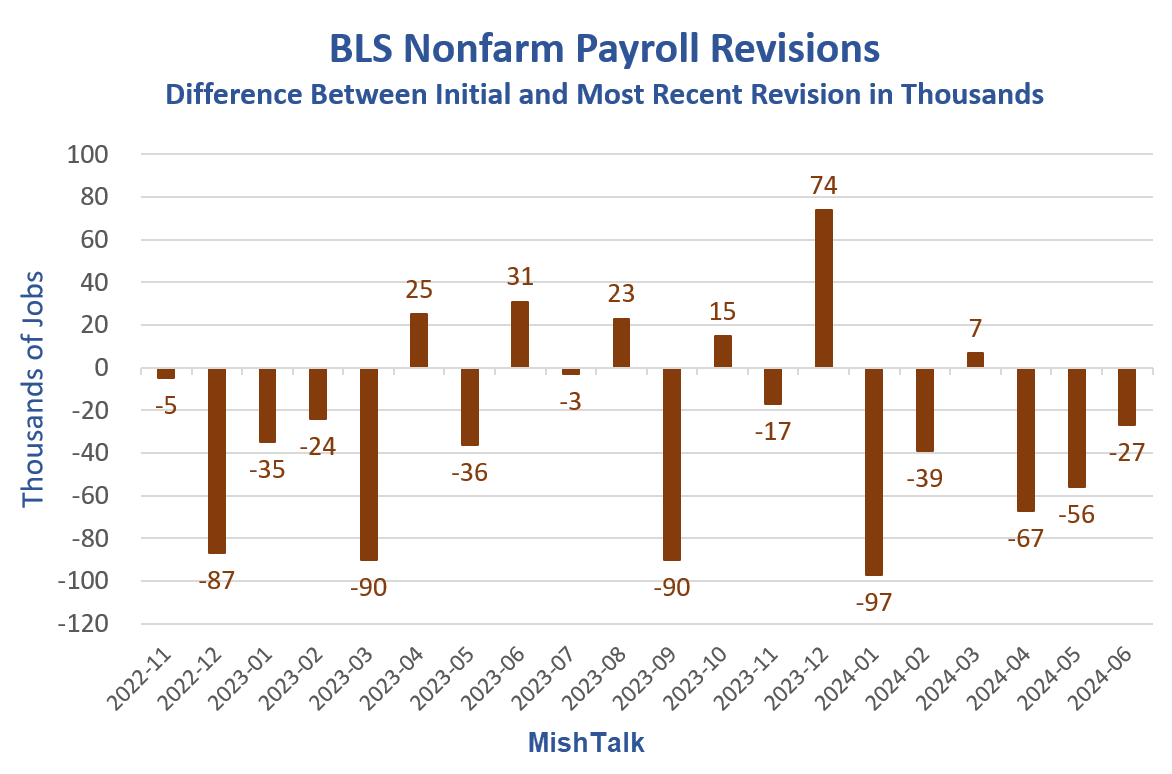

US payroll data revisions are set to take center stage as analysts await crucial updates tonight that may shed light on the economic landscape post-government shutdown. Recent insights from a Barclays Bank report highlight that these revisions could influence market expectations, particularly regarding Federal Reserve interest rates in the coming months. As the chief market strategist emphasizes, this employment report analysis is only part of a larger economic picture that includes inflation trends and significant legal developments, such as the Supreme Court ruling on tariffs. The scrutiny around these payroll adjustments reflects a growing awareness of their potential ripple effects on overall financial stability. Investors and policymakers alike are keenly focused on how these changes might shape future economic decisions.

In the realm of economic indicators, payroll adjustments in the U.S. serve as a pivotal gauge of employment health and overall economic vitality. As we explore the latest adjustments, it’s evident that the implications of recent government shutdowns will be crucial in deciphering shifts in labor market conditions. Insights from financial institutions, including Barclays, suggest that the trajectory of interest rates set by the Federal Reserve may hinge on the outcomes of these revisions. Additionally, factors such as inflation metrics and the impending Supreme Court decisions on tariffs further complicate the economic analysis landscape. Understanding these dynamics is essential for stakeholders aiming to navigate the intricate web of employment statistics and their broader economic impact.
Understanding U.S. Payroll Data Revisions
U.S. payroll data revisions are crucial for understanding the labor market’s pulse. Each revision offers insights into hiring patterns, wage growth, and overall employment stability. Analysts often use these revisions to predict economic trends, which can influence Federal Reserve interest rates. Given that the revisions for the past months are set to be revealed soon, market participants are keen to see how they will reflect the ongoing effects of the government shutdown.
With revisions typically closely scrutinized, the latest updates may highlight disparities in employment figures that could impact broader economic forecasts. Barclays Bank predicts that although changes might not be drastic, they will still provide valuable context for other economic indicators such as inflation and wage growth, helping to shape future policy decisions from the Federal Reserve. Understanding these payroll data adjustments can therefore provide clarity on the employment report’s implications.
Impact of Government Shutdown on Economic Indicators
The government shutdown has raised questions about its long-term effects on the U.S. economy, especially as it relates to employment data. Analysts, including those from Barclays Bank, are investigating how the disruptions have affected payroll figures. This situation has implications for both workers and employers, as economic uncertainty can lead to hiring freezes or layoffs, impacting the overall labor market.
Moreover, the impact of the government shutdown extends beyond immediate payroll changes. As the employment report is released, it will dovetail with critical factors such as inflation rates and the potential for adjustments in Federal Reserve interest rates. The holistic view of these elements is essential for understanding the economic landscape and anticipating possible shifts in fiscal policy.
Barclays Bank’s Insights on Employment Report Analysis
Barclays Bank has provided detailed insights into the upcoming employment report analysis, particularly regarding revisions to payroll data. The expectation is that while revisions may not significantly alter the current market forecasts, they will still provide a clearer picture of employment trends in light of recent economic uncertainties. Such analysis allows investors and policymakers to make informed decisions, particularly as they weigh the Federal Reserve’s interest rate policies.
Furthermore, Barclays emphasizes that the employment report forms only part of the economic narrative. Coupled with other indicators, including inflation readings and legal decisions such as the Supreme Court’s ruling on tariffs, these employment figures will help analysts paint a comprehensive picture of the economy’s health. Each of these components contributes to understanding how resilient the labor market remains amidst pressures from government actions and global economic conditions.
Federal Reserve Interest Rates and Economic Forecasts
The Federal Reserve’s interest rates play a pivotal role in shaping economic forecasts and market behaviors. With the possibility of maintaining current rates during the first quarter, as suggested by Barclays Bank, analysts are considering how this approach will affect employment growth and consumer confidence. Holding rates steady could indicate a cautious approach by the Fed in response to lingering uncertainties surrounding the economy and the impact of recent government decisions.
Interest rates also directly influence borrowing costs for businesses and individuals alike. If payroll revisions show positive trends, it may provide the Federal Reserve with more room to consider future rate adjustments. Conversely, prolonged negative trends could lead to calls for rate cuts to stimulate growth. Understanding the relationship between these rates and employment data is critical for stakeholders aiming to navigate the complex economic landscape.
Supreme Court Ruling on Tariffs and Its Economic Impact
The anticipated Supreme Court ruling on tariffs stands to impact various sectors, influencing both consumer prices and employment rates. Decisions made at this level can shape market conditions, leading to adjustments in hiring as businesses plan for potential changes in import costs. Barclays Bank highlights that such legal outcomes are intertwined with other significant economic indicators, including employment data revisions.
The potential rulings could force businesses to reevaluate their supply chains and hiring practices, affecting the overall job market. An unfavorable ruling for certain industries could lead to job losses, while a favorable one might encourage expansion and investment. Thus, it’s imperative for analysts to consider these legal rulings alongside employment reports for a holistic understanding of the economic implications.
Connecting Employment Reports with Inflation Data
The interplay between employment reports and inflation data is vital for assessing economic health. As Barclays Bank notes, revisions in payroll data can directly influence perceptions of inflation, which in turn affects Federal Reserve policies. A tight labor market tends to push wages and prices up, while a weaker job market may lower inflationary pressures.
With the upcoming employment report expected, analysts are paying close attention to wage growth trends and their potential linkage to inflation forecasts. If higher wages and job revisions appear, inflation might trend upwards, leading the Federal Reserve to consider adjusting interest rates. Thus, the relationship between these two reports is crucial for policy planning and economic predictions.
Market Expectations Amidst Economic Uncertainty
Market expectations are often swayed by economic indicators such as payroll revisions and employment reports. With ongoing economic uncertainty, stakeholders are reacting to any signals from institutions like the Federal Reserve. Barclays Bank highlights that while payroll data revisions might not drastically shift expectations, they can offer nuanced insights necessary for market strategy.
Navigating this uncertainty becomes essential for investors, as shifts in employment data could foreshadow upcoming economic trends. Monitoring how these reports correlate with inflation, interest rates, and external factors, such as court rulings on tariffs, can equip stakeholders with valuable foresight needed to make informed decisions in a volatile economic environment.
The Role of Data in Shaping Economic Policies
Data plays a pivotal role in shaping effective economic policies and strategies. Revisions to U.S. payroll data are more than just numbers; they represent the very fabric of economic health and workforce dynamics. Policymakers, including those in the Federal Reserve, rely on these statistics to gauge employment trends and potential adjustments to interest rates.
As we approach the reveal of crucial employment data, it is essential to consider how revisions could reflect broader economic realities influenced by government actions, like the recent shutdown. The insights derived from data have the power to redirect economic policy, influencing everything from Federal Reserve decisions to legislative changes that impact tariffs and inflation.
Future Economic Outlook Based on Employment Reporting
Looking forward, the economic outlook heavily relies on employment reporting and the data revisions accompanying it. These reports serve as indicators of the workforce’s strength and overall economic vigor. As the landscape shifts with factors like the ongoing government shutdown and potential Supreme Court rulings on tariffs, understanding the nuances of employment data becomes increasingly important for making informed predictions about the economy.
With reports from banks like Barclays emphasizing the slow but steady nature of revisions, stakeholders are urged to remain vigilant. Employment data’s implications on Federal Reserve interest rates will influence business strategies and consumer confidence moving forward. Thus, the combination of various economic indicators will ultimately shape the future economic outlook.
Frequently Asked Questions
How will the recent US payroll data revisions impact the economy?
The recent revisions to US payroll data are crucial for understanding the labor market’s health, especially in light of the government shutdown’s impact. Analysts, including those from Barclays Bank, expect these revisions to provide clarity but do not anticipate drastic shifts in market expectations, particularly regarding Federal Reserve interest rates.
What does the Barclays Bank report say about the US payroll data revisions?
The Barclays Bank report emphasizes that the revisions to payroll data will be closely monitored, particularly to assess the impact of the government shutdown. It suggests these revisions may not significantly alter the prevailing market expectations surrounding the Federal Reserve’s decision to maintain interest rates.
In what way could US payroll data revisions affect Federal Reserve interest rates?
US payroll data revisions can influence Federal Reserve interest rates by affecting economic forecasts. While Barclays indicates that current revisions might not lead to significant changes, they are part of the broader analysis, including inflation data and other economic indicators, that the Fed considers in their monetary policy decisions.
Why are revisions to US payroll data important during times of government shutdown?
Revisions to US payroll data are particularly important during a government shutdown as they can provide insights into the employment landscape and economic activity. Analysts, like those at Barclays, note that understanding how these revisions reflect actual labor market conditions can help gauge the severity of the shutdown’s economic effects.
How does the Supreme Court ruling on tariffs relate to payroll data revisions?
The Supreme Court ruling on tariffs could indirectly relate to US payroll data revisions by influencing economic conditions that affect employment. Barclays highlights that the upcoming employment report, alongside payroll data revisions, will be essential for gauging overall economic health amidst varying factors, including tariff impacts.
What role do employment report analyses play in understanding payroll data revisions?
Employment report analyses are vital for contextualizing payroll data revisions. They help economists and market analysts interpret the implications of data changes, as stated in the Barclays report, suggesting that while payroll data revisions are important, they are only one part of a larger economic narrative.
| Key Point | Details |
|---|---|
| Report by Julien Lafargue | Julien Lafargue from Barclays Bank issued a report on US payroll data revisions. |
| Focus on Revisions | The revisions to payroll data for prior months will be closely monitored for insights into the impact of the government shutdown. |
| Market Expectations | Barclays is skeptical that the revisions will significantly alter the market’s expectation of unchanged interest rates from the Federal Reserve during the first quarter. |
| Employment Report Importance | The employment report is seen as part of a larger context that also includes inflation data and a Supreme Court ruling. |
Summary
US payroll data revisions will play a crucial role in assessing the labor market and the economic impact of recent events such as the government shutdown. Analysts are particularly keen on these revisions, but skepticism remains regarding their ability to shift market expectations around Federal Reserve interest rates. Overall, understanding US payroll data revisions is essential for grasping broader economic trends.
Related: More from Market Analysis | Barclays Looks at Blockchain for Payments, Deposits | PayPal USD Powers New PYUSDx App