


US Government Reopens, Positive Impacts Ripple Through Cryptocurrency and FinTech

In a significant turn of events, the US government has reopened its doors after a lengthy shutdown, ushering in a wave of optimism across various sectors, from finance to technology. One of the highlights following this development is the noticeable rise in the value of Ripple (XRP), spurred by news of a pioneering ETF launch. Furthermore, VISA has taken a bold step into the cryptocurrency space with the announcement of a pilot program using USD Coin (USDC), signaling growing acceptance of digital currencies in traditional financial operations.
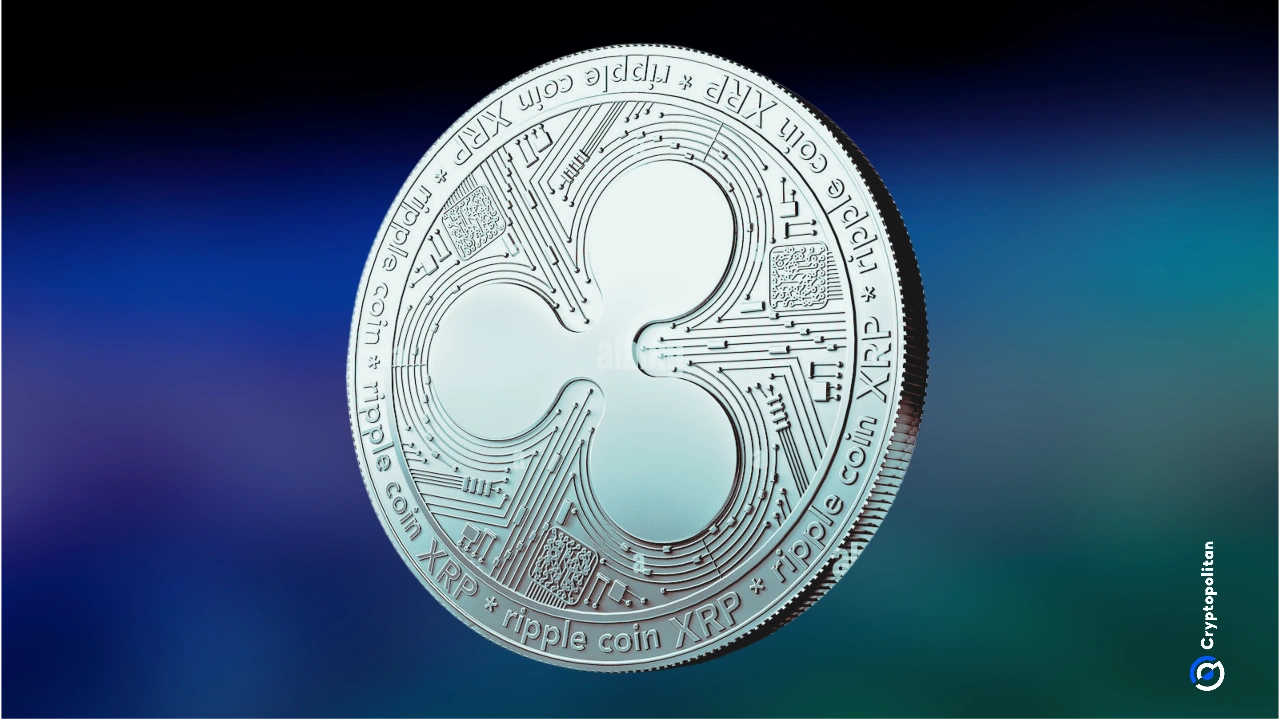
Ripple (XRP) Experiences Surge Amid ETF Launch
The reopening of the US government appears to have been a catalyst for the cryptocurrency market, specifically for XRP. Ripple’s XRP has seen an impressive uptick in its value, arguably fueled by the introduction of the first XRP-focused exchange-traded fund (ETF). This ETF not only adds an air of legitimacy to XRP but also makes it more accessible to traditional investors who are looking for a safer way to get involved with digital assets.
An ETF for a cryptocurrency like XRP marks a significant step in bridging the gap between conventional finance and the burgeoning field of digital currencies. By providing a regulated and familiar investment vehicle, the ETF could attract fresh capital into the crypto space, benefiting both institutional and retail investors keen on diversifying their portfolios.
VISA Launches Pilot Program with USD Coin (USDC)
In another groundbreaking development, VISA has announced the initiation of a pilot program that incorporates USD Coin, a stablecoin pegged to the US dollar, into their payment processes. This move by VISA is particularly noteworthy as it represents one of the first instances where a major financial services corporation has embraced a stablecoin, potentially paving the way for widespread adoption of cryptocurrencies in everyday transactions.
The pilot program will explore the integration of USDC to settle transactions within VISA’s existing payment network, a step that could significantly reduce the reliance on traditional banking systems for transferring funds. The utilization of blockchain technology and stablecoins like USDC could lead to faster, more secure, and cheaper transactions, beneficial for businesses and consumers alike.
Implications for the Future
The reopening of the US government, combined with these developments in the cryptocurrency sector, is a promising sign for the future of digital finance. The launch of the XRP ETF and VISA’s pilot with USDC are indicative of a larger trend towards the integration of cryptocurrency with traditional financial systems.
These initiatives are likely to boost investor confidence in the stability and viability of digital currencies. They also support the argument for cryptocurrencies as not merely speculative investments but as legitimate alternatives to conventional financial systems—capable of delivering real economic benefits.
Moreover, government endorsements or regulatory clarity often accompany such major initiatives, which might mean we’re moving closer to seeing comprehensive policies designed to foster the growth of cryptocurrencies.
In conclusion, the reopening of the US government seems to have had a ripple effect, contributing positively to the confidence and innovativeness in the economic landscape. New advancements like the XRP ETF and VISA’s USDC pilot program exemplify how cryptocurrencies and blockchain are increasingly intertwining with mainstream finance, potentially setting the stage for a more digital-forward economic system. Keep an eye on these developments as they may very well dictate the pace and direction of cryptocurrency integration into daily life and global commerce.