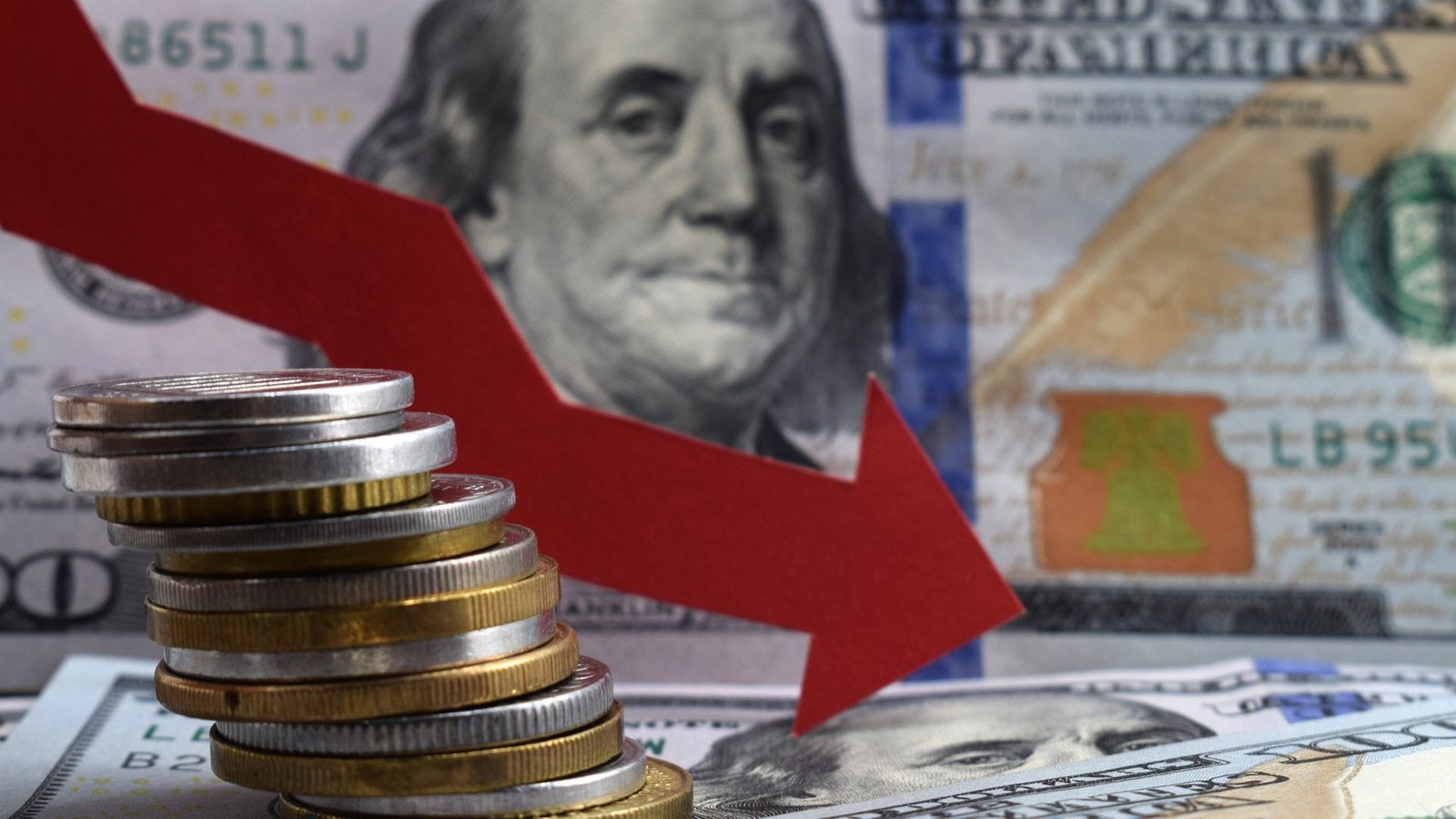

Recent trends indicate a notable weakness in the US dollar, as it recently plunged to a five-week low during the last trading session. This depreciation can largely be attributed to disappointing US economic data and speculation surrounding the appointment of a new Federal Reserve chair, set to influence monetary policy. The latest ADP employment report underscored a slowdown in job creation, while ISM service sector data pointed to easing price pressures, further complicating the USD forecast. Additionally, market analysts are now anticipating an 85% chance of a rate cut by the Federal Reserve in December, which adds another layer of uncertainty. As discussions about Trump’s potential nomination of Hassett to lead the Fed continue, the outlook for the US dollar remains precarious and closely watched by investors.

In recent times, the American currency has displayed signs of weakness, impacting its standing in the global market. Factors such as anticipated shifts in monetary policy and recent economic indicators are contributing to a lackluster performance of the greenback. With weaker job growth reflected in the latest private employment statistics and signs of less inflationary pressure from service sector reports, confidence in the US dollar’s strength is wavering. The upcoming Federal Reserve decisions loom large, especially with significant speculation regarding interest rate adjustments that could further affect the currency’s value. As stakeholders keep a close eye on policy developments and economic reports, the volatility surrounding the US dollar could define the financial landscape in the coming months.
Understanding the Current Weakness of the US Dollar
The US dollar has recently experienced a significant downturn, reaching a five-week low during the latest trading session. This weakness can be attributed to a combination of negative economic data and strategic announcements regarding the leadership of the Federal Reserve. Specifically, the market’s reaction is fueled by the implications of a potential rate cut, particularly as economic indicators like the ADP employment report and ISM service sector data have suggested less robust economic performance. Market observers are keenly aware that such a rate cut could further weaken the dollar as the Federal Reserve adjusts its monetary policy stance.
Moreover, the recent hint from former President Trump regarding the nomination of Kevin Hassett as the next chair of the Federal Reserve has intensified discussions around future interest rate movements. The anticipation of his appointment could lead to policy shifts that prioritize a more dovish monetary stance. As economic reports release weaker than expected numbers, investors recalibrating their expectations may contribute to ongoing US dollar weakness, impacting global currencies and investment strategies.
Frequently Asked Questions
How does the Federal Reserve rate cut affect US dollar weakness?
The US dollar weakness is often influenced by expectations surrounding Federal Reserve rate cuts. When the market anticipates a rate cut, as indicated by recent data, it typically leads to a decrease in the dollar’s value. Investors often prefer to move their assets into currencies with higher yields, thus weakening the USD. Recent indicators such as a weaker ADP employment report suggest that rate cuts may be more likely, contributing to the current weakness of the dollar.
What is the USD forecast amid recent signs of US dollar weakness?
The USD forecast remains cautious following recent signs of US dollar weakness. With the Federal Reserve potentially set to cut rates, as shown by an 85% probability for a December cut, analysts expect further downward pressure on the dollar. Economic reports, including the ISM service sector data, reveal slowing growth which could reinforce this trend, leading to a bearish outlook for the USD.
How does Trump’s choice for Federal Reserve chair impact US dollar weakness?
Trump’s indication of nominating Hassett as the next Federal Reserve chair could further affect US dollar weakness. This speculation may signal a shift in monetary policy that could lean towards more accommodative measures, including rate cuts. Such changes are likely to weaken the U.S. dollar, especially if economic reports continue to reflect understated growth, as seen with the recent ADP employment numbers.
What do the ADP employment report and ISM service sector data indicate about US dollar weakness?
The ADP employment report and ISM service sector data indicate a trend towards US dollar weakness. The latest ADP report came in below expectations, suggesting softer job growth, while the ISM data pointed to moderation in price pressures. These pieces of data can lead to expectations of a Federal Reserve rate cut, further contributing to the ongoing weakness of the USD.
What are the implications of US dollar weakness for international trade?
US dollar weakness can significantly impact international trade. A weaker dollar makes U.S. exports cheaper for foreign buyers, potentially boosting export volumes. However, it also increases the cost of imports, which can lead to higher inflation domestically. As the Federal Reserve considers rate cuts amidst signs of weakening economic data, the implications for trade dynamics could become more pronounced.
| Key Point | Details |
|---|---|
| US Dollar Status | The US dollar hit a five-week low in the last trading session. |
| Factors Influencing Weakness | Weak US economic data and news about the next Federal Reserve Chair are influencing expectations for a rate cut. |
| Employment Report | The ADP private sector employment report showed weaker than expected job growth. |
| ISM Service Sector Data | Data indicates a moderation in price pressures within the services sector. |
| Future Rate Cuts | Market odds currently show an 85% chance of a Federal Reserve rate cut in December. |
| Potential Federal Reserve Chair | Trump suggested he may nominate Hassett as the new Federal Reserve Chair. |
Summary
US dollar weakness has become a significant issue in recent weeks as the currency reached a five-week low due to unfavorable economic indicators and anticipations of a rate cut by the Federal Reserve. The combination of a disappointing ADP employment report and signs of easing price pressures in the service sector have raised concerns about the US economy, contributing to this downward trend. Furthermore, speculation about the nomination of Hassett as the next Federal Reserve Chair adds to the uncertainty in monetary policy direction, with the market pricing in a high probability of an imminent rate cut. As these factors continue to develop, the outlook for the US dollar remains precarious.