


The US Digital Asset Market Clarity Act is a pivotal piece of legislation aiming to reshape the regulatory landscape for cryptocurrencies. With prominent figures like Charles Hoskinson, the founder of Cardano, expressing skepticism about its timely passage, the future of the crypto market hangs in the balance. In a recent interview, Hoskinson did not hold back his criticisms towards David Sacks, President Trump’s crypto adviser, indicating that a failure to secure bipartisan support for crypto regulations could hinder industry growth. As Senate committees prepare to vote, there’s rising speculation on whether this act can provide the much-needed clarity that the cryptocurrency sector has been desperately seeking. This legislation could be a significant milestone in cryptocurrency regulation, affecting everything from major financial institutions to individual investors.

Known alternatively as the clarity legislation for digital assets, the US Digital Asset Market Clarity Act is designed to establish clear regulatory pathways for the burgeoning cryptocurrency market. This critical legislation has generated discussion among industry experts, including foremost advocates like Charles Hoskinson, who have voiced their concerns regarding its potential impact on the crypto ecosystem. Amidst calls for a more organized regulatory structure, the act aims to delineate the roles of key regulatory bodies, injecting much-needed confidence into the marketplace. As the crypto industry faces turbulence, stemming from declining asset prices and ambiguous regulations, this act serves as a beacon of hope for many advocates pursuing a comprehensive framework for cryptocurrency regulation. Given the bipartisan support it garners, the expectations are high that this legislation will revitalize the crypto landscape.
Charles Hoskinson’s Critique of US Cryptocurrency Regulation
Charles Hoskinson, the founder of Cardano, voiced significant skepticism regarding the timely passage of the US Digital Asset Market Clarity Act. During a discussion with Bitcoin advocate Scott Melker on The Wolf of All Streets Podcast, he emphasized that the current state of crypto regulation in the US is inadequate. Hoskinson’s concerns extend beyond this specific bill; he believes the broader regulatory environment is failing the cryptocurrency industry, which has suffered from declining values and market instability. He specifically criticized David Sacks, Donald Trump’s crypto adviser, holding him accountable for not providing the necessary clarity that the industry desperately needs to thrive.
Furthermore, Hoskinson’s remarks highlight the crucial intersection of political dynamics and cryptocurrency regulation. He warned that if the Democrats regain control of the House in the upcoming midterms, there might be a significant setback for the Digital Asset Market Clarity Act. His call for Sacks’s resignation stems from a belief that the advisor has not done enough to advocate for effective regulation and support the cryptocurrency space, which is still trying to find its footing in the face of fluctuating market conditions.
Prospects for the US Digital Asset Market Clarity Act
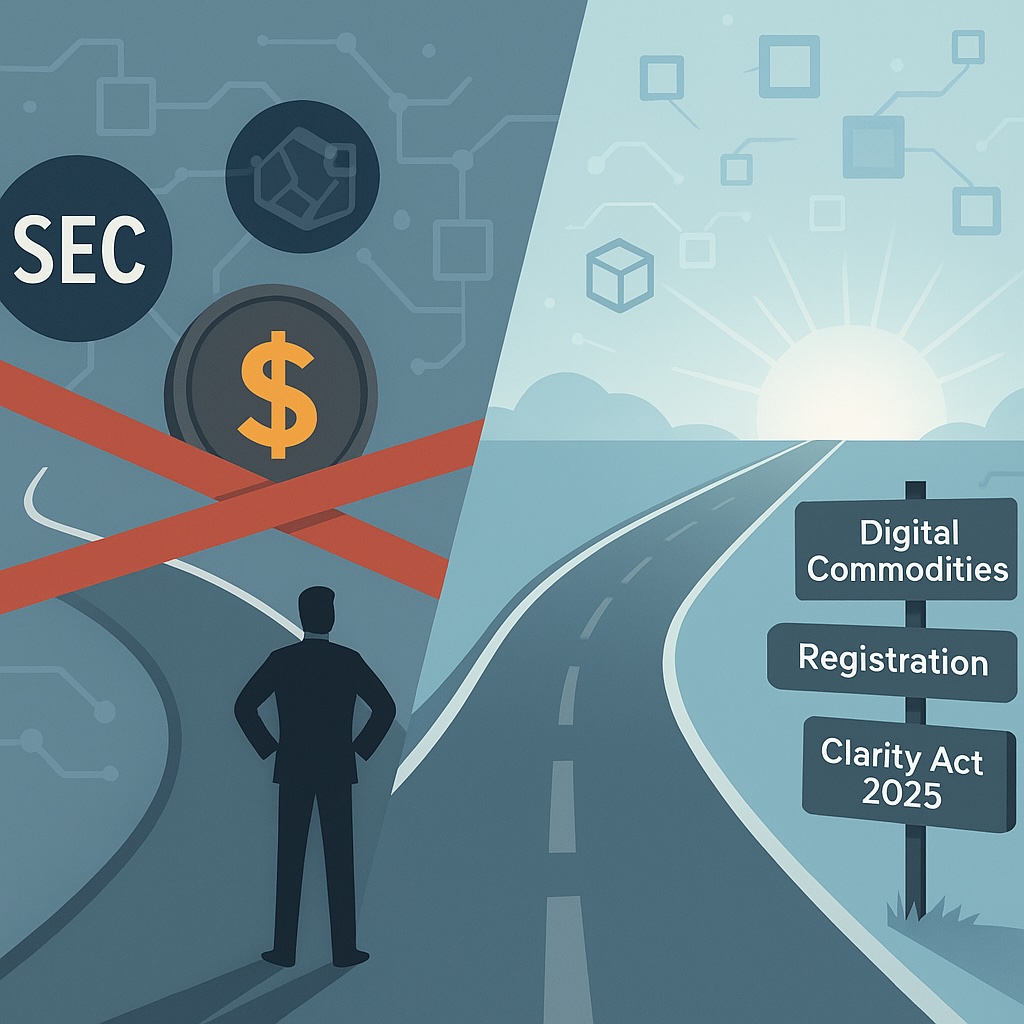
The US Digital Asset Market Clarity Act, introduced in May 2025, aims to provide essential regulatory clarity for the burgeoning cryptocurrency market. With bipartisan support already seen from the House Financial Services and Agriculture Committees, the Senate committees are expecting to vote soon, which could mark a significant turning point for crypto regulation in the United States. The act seeks to delineate the roles of the SEC and CFTC concerning cryptocurrency and offer clearer guidelines for different token classifications, which may attract greater investment and innovation in the sector.
However, as Hoskinson points out, achieving this clarity is essential but not enough; it requires a commitment from industry players and regulators to navigate these complexities without rushing into partisan agendas. The implications of this act resonate throughout the crypto industry, as clearer regulations could bolster investor confidence and lead to a healthier market environment. Furthermore, bipartisan endorsement suggests that there’s a growing recognition of the crypto industry’s potential economic benefits, which could pave the way for a stronger regulatory framework ahead.
Challenges Faced by the Crypto Industry
Hoskinson outlined three critical areas where the crypto industry has faced challenges under current regulations: declining prices, lack of clarity, and insufficient foundations for projects. The significant drop in cryptocurrency values since Trump took office reflects a larger narrative about the health of the market. Without decisive regulatory guidance, many investors are left uncertain about the long-term viability of their holdings, which stifles investment and innovation.
Moreover, Hoskinson criticized bills like the GENIUS Act for prioritizing large financial institutions such as BlackRock and Goldman Sachs over smaller, retail investors. This kind of legislation could further centralize the crypto market and compromise the decentralized ethos that cryptocurrencies are built upon. As Hoskinson articulately states, empowering Wall Street with undue influence over crypto markets poses a genuine threat to the innovation and diversity that the industry seeks to promote, making regulatory clarity and balance even more essential.
The Role of David Sacks in Crypto Regulation
David Sacks has been a controversial figure in the cryptocurrency realm, especially given his role as President Trump’s crypto adviser. Hoskinson’s strong critique of Sacks reflects broader frustration within the industry regarding the representation and advocacy for cryptocurrencies at the governmental level. His call for Sacks to resign underscores a sentiment that the current leadership has not effectively managed the expectations and realities of the crypto space during a turbulent market period.
Critics argue that Sacks’ tenure has coincided with a downturn in the industry, raising questions about the efficacy of his strategies and priorities. To restore confidence in the burgeoning market, many voices within the industry are advocating for leadership that is in tune with the unique challenges that cryptocurrencies face, especially concerning regulatory clarity and market stability. As the industry evolves, the push for leaders who understand the intricacies of blockchain technology becomes increasingly important.
The Importance of Industry Collaboration for Crypto Laws
In his commentary, Hoskinson stressed the necessity of collaboration between the crypto industry and regulatory bodies, rather than the implementation of hasty laws for political gain. He believes that while pushing for timely regulations is essential, the overarching goal should be to create enduring frameworks that foster innovation instead of stifling it. This collaborative approach would help carve out a more comprehensive understanding of cryptocurrencies and their implications for broader financial markets.
As the landscape continues to shift rapidly, it is crucial for lawmakers to engage with industry stakeholders to inform their approach to cryptocurrency regulation meaningfully. The push for thorough and well-considered legislation could ultimately lead to a more robust financial ecosystem that not just protects investors but also allows innovative projects to flourish. By taking the time to carefully develop regulations, the US can position itself as a leader in the global cryptocurrency space.
Regulatory Future of the Crypto Industry
The future of cryptocurrency regulation in the US hinges on the potential passing of key legislation like the US Digital Asset Market Clarity Act. This act aims to provide a definitive framework that would delineate the responsibilities of the SEC and CFTC regarding digital assets. Such regulations are crucial in ensuring that the US remains competitive in the global cryptocurrency landscape and in attracting investment to local projects.
With the growing interest in cryptocurrencies among consumers and institutional investors alike, regulatory clarity is becoming increasingly critical. As Charles Hoskinson suggests, the industry cannot afford to wait passively as political dynamics shift; proactive measures must be taken to ensure the future stability and growth of the market. By fostering an understanding of cryptocurrencies as valuable assets rather than mere speculative ventures, regulators could help to build a healthier financial market overall.
Bipartisan Support: Key to Successful Crypto Regulation
The bipartisan support witnessed for the US Digital Asset Market Clarity Act indicates a significant shift in political views regarding cryptocurrency regulation. Lawmakers from both sides of the aisle recognize the potential benefits of a well-regulated crypto market, which includes job creation, economic growth, and technological advancement. This cooperation is essential to developing a regulatory framework that can endure political fluctuations and effectively adapt to industry changes.
Moreover, bipartisan backing can accelerate the implementation of vital regulations, easing the path for innovative projects and greater public trust in cryptocurrencies. As the industry pushes for clearer guidelines, it’s crucial for policymakers to seize this moment of unity to craft comprehensive legislation that supports sustainable growth without compromising the principles that cryptocurrencies stand for. The future of the US crypto industry may depend on such collaboration, as it aims to navigate the complexities of the financial landscape.
Concerns Over the GENIUS Act and Its Impact on Retail Investors
Hoskinson’s criticism of the GENIUS Act underscores a prevalent concern in the cryptocurrency community – that regulations may disproportionately benefit large financial institutions at the expense of retail investors. This bill, he argues, effectively centralizes control of the crypto market among a select few major players, which undermines the foundational principles of decentralization and accessibility that cryptocurrencies were created to address. Such regulatory approaches could stifle innovation and limit the market’s potential diversity.
The implications of enacting legislation like the GENIUS Act may extend far beyond immediate regulatory changes; it could shape the future landscape of cryptocurrency trading and investor participation. By prioritizing institutional interests, there’s a risk of alienating a significant portion of the retail investor base, ultimately leading to a less vibrant market. It’s vital for lawmakers to engage with and consider the perspectives of all market participants, ensuring that new regulations support a fair playing field.
Maintaining Global Neutrality in Cryptocurrency Protocols
One of the most critical points brought forward by Hoskinson is the concept of global neutrality concerning cryptocurrency protocols. He highlighted the danger of nationalizing crypto initiatives, suggesting that the strength of these assets lies in their ability to operate without geopolitical constraints. By declaring a cryptocurrency to be ‘American,’ for instance, it risks creating divisions and undermines the global appeal and interoperability that drives successful adoption.
Encouraging the development of a neutral cryptocurrency infrastructure can help position the US favorably in the international arena. Hoskinson’s vision advocates for a cooperative global environment where cryptocurrencies thrive without the constraints of nationalistic agendas. By maintaining a neutral stance, the US could help foster a more dynamic and robust crypto market that benefits from diverse contributions across borders.
Frequently Asked Questions
What is the US Digital Asset Market Clarity Act and what does it aim to achieve?
The US Digital Asset Market Clarity Act is a legislative proposal introduced in May 2025 to clarify the regulatory roles of the Securities and Exchange Commission (SEC) and the Commodities Futures Trading Commission (CFTC) regarding cryptocurrencies. It aims to provide clearer guidelines on the classification of various types of tokens, promoting a more structured approach to cryptocurrency regulation.
How has Charles Hoskinson responded to the prospects of the US Digital Asset Market Clarity Act passing?
Charles Hoskinson, the founder of Cardano, has expressed skepticism about the US Digital Asset Market Clarity Act passing within the current quarter. He voiced concerns that if the Democrats regain control of the House in the upcoming midterm elections, the bill’s chances could diminish significantly.
What criticism did Charles Hoskinson have regarding David Sacks in relation to the US Digital Asset Market Clarity Act?
Charles Hoskinson criticized David Sacks, President Trump’s crypto adviser, stating that he has ‘utterly failed’ the crypto industry since taking on the role. Hoskinson suggested that Sacks should resign if the US Digital Asset Market Clarity Act does not pass this quarter, holding him accountable for the industry’s decline in value and the lack of regulatory clarity.
What potential impact could the Senate committee votes have on the US Digital Asset Market Clarity Act?
The upcoming votes by the Senate Agriculture and Banking Committees on the US Digital Asset Market Clarity Act could significantly influence the future of cryptocurrency regulation in the US. Approval from these committees would mark a crucial step towards the bill becoming law, potentially providing the crypto industry with much-needed regulatory clarity.
Why is there bipartisan support for the US Digital Asset Market Clarity Act?
Bipartisan support for the US Digital Asset Market Clarity Act stems from the recognition that clear regulations are essential for the growth and stability of the cryptocurrency market. Lawmakers from both parties understand the need for a structured regulatory framework that addresses the complexities of digital assets, enabling innovation while ensuring investor protection.
What are some criticisms related to other proposed bills like the GENIUS Act in the context of the US Digital Asset Market Clarity Act?
Critics, including Charles Hoskinson, argue that the GENIUS Act favors large financial institutions over retail investors, potentially centralizing the cryptocurrency market around major corporations like BlackRock and Goldman Sachs. This aligns with concerns that the US Digital Asset Market Clarity Act must ensure fair regulations that benefit all participants in the crypto space.
How does Charles Hoskinson view the nationalization of cryptocurrency in relation to the US Digital Asset Market Clarity Act?
Charles Hoskinson cautions against nationalizing cryptocurrency, emphasizing that there should not be ‘an American crypto.’ He believes cryptocurrency should remain a global neutral product, and this view underlines the importance of crafting the US Digital Asset Market Clarity Act in a way that supports innovation while respecting the decentralized nature of digital assets.
What timeline has been suggested for the passing of the US Digital Asset Market Clarity Act?
Although there is optimism regarding the US Digital Asset Market Clarity Act due to its passage through House committees, Charles Hoskinson has indicated that he does not expect it to pass in the current quarter. He warns that the upcoming midterm elections could alter the bill’s progress if control of the House shifts.
| Key Point | Details |
|---|---|
| Charles Hoskinson’s Skepticism | Hoskinson doubts that the US Digital Asset Market Clarity Act will pass this quarter. |
| Call for Resignation | He calls for the resignation of David Sacks, citing failure in leadership since late 2024. |
| Upcoming Senate Vote | Senate committees are scheduled to vote on the CLARITY Act, which could be pivotal for the crypto industry. |
| Bipartisan Support | The bill has received support from both the House Financial Services and Agriculture Committees. |
| Hoskinson’s Critiques | He argues Sacks’ tenure has resulted in declining market prices and regulatory confusion. |
| Concerns Over Other Bills | He criticizes bills like the GENIUS Act for prioritizing large financial institutions over retail investors. |
| International Perspective | Hoskinson emphasizes the importance of global neutrality in cryptocurrency. |
| Advocacy for Collaboration | He encourages careful development of cryptocurrency laws that foster innovation. |
Summary
The US Digital Asset Market Clarity Act aims to establish a clearer framework for cryptocurrency regulation in the US, but it faces skepticism about its imminent passage. As expressed by Cardano founder Charles Hoskinson, the bill’s chances may diminish with the upcoming midterm elections and the possibility of a Democratic majority. Hoskinson’s criticisms of crypto leadership and the risks posed by other legislation highlight the ongoing challenges and need for a balanced approach to cryptocurrency governance. Ultimately, the clarity and stability of the digital asset market hinge on collaborative efforts between the crypto industry and government to create effective, lasting regulations.
Related: More from Regulation & Policy | UK FCA to Consider Cryptos for Gambling Payments | Judge Halts Binance Effort to Arbitrate US Cryptocurrency Claims