


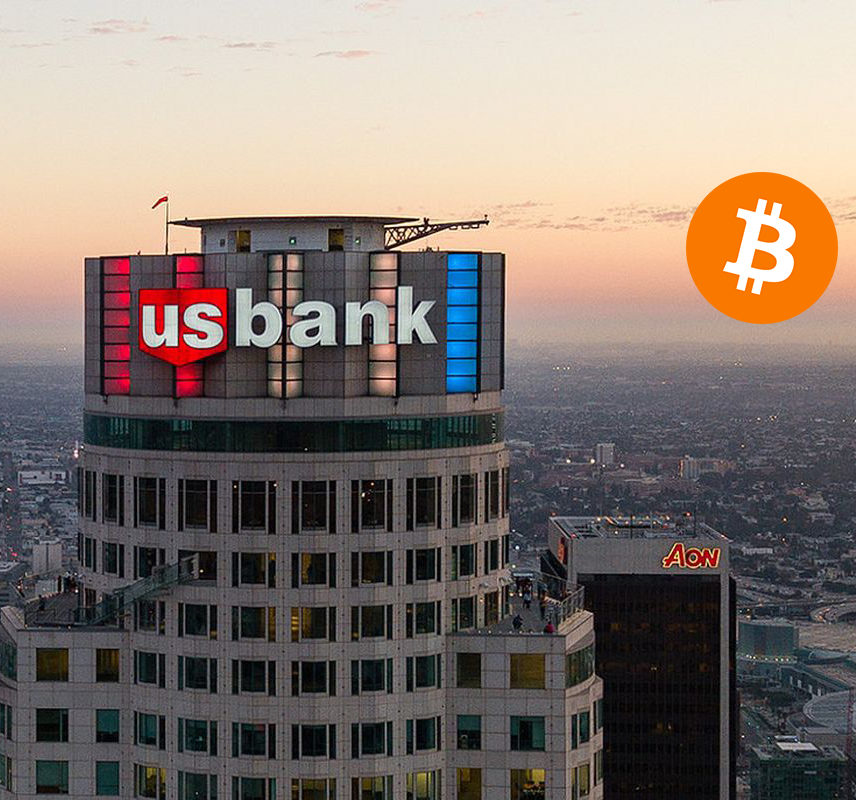

US banks Bitcoin services have been evolving rapidly as more than half of the nation’s leading financial institutions are committed to embracing cryptocurrency. Recent insights from River reveal that these banks are stepping into the world of Bitcoin trading and crypto custody services, recognizing the potential of digital assets. As major banks like JPMorgan Chase and Wells Fargo explore options for Bitcoin-backed loans and trading, it’s evident that the financial landscape is shifting significantly. This growing acceptance of Bitcoin by banks adopting Bitcoin services reflects a pivotal moment as the industry seeks to capitalize on the opportunities presented by crypto. However, despite this progress, some banks still grapple with skepticism towards yield-bearing stablecoins, indicating a cautious yet transformative approach to the future of finance.

The landscape of cryptocurrency services in the United States is changing, with more financial institutions moving towards the integration of digital assets. As several prominent banks expand their offerings to include Bitcoin trading and custodial solutions, these developments underscore a significant shift in the banking sector’s perspective on crypto assets. Many banks are recognizing the urgent need to adapt and innovate, especially as they face growing competition from emerging fintech companies in the digital currency space. With major financial players exploring ways to offer Bitcoin-related services, the acceptance of cryptocurrency is becoming a crucial component of modern banking strategies. This trend highlights not only a transformation in financial services but also a broader acceptance of cryptocurrencies within the mainstream financial ecosystem.
| Bank Name | Status on Bitcoin Services | Notes |
|---|---|---|
| JPMorgan Chase | Considering crypto trading | Strong interest in the crypto space. |
| Wells Fargo | Offers Bitcoin-backed loans | Focus on institutional clients. |
| Citigroup | Exploring custody services | Looking to enter institutional crypto. |
| Bank of America | No plans announced | Second largest US bank, assets over $2.67 trillion. |
| Capital One | No interest shown | Assets of $694 billion. |
| Trust Bank | No interest shown | Assets of $536 billion. |
| UBS | Exploring Bitcoin and Ether trading | New entrant focusing on wealthiest clients. |
Summary
US banks Bitcoin services are rapidly gaining traction, with over 60% of leading banks actively offering or planning Bitcoin-related offerings. Insights from industry leaders like Coinbase’s Brian Armstrong reveal a growing pro-crypto sentiment among bank executives. Major players such as JPMorgan Chase, Wells Fargo, and Citigroup are already strategically integrating Bitcoin services, while some larger institutions remain cautious. As the sector evolves, the potential for wider adoption strengthens, indicating that the landscape of banking in the US is transforming to incorporate digital assets, making it a pivotal moment for both banking institutions and crypto enthusiasts.
The Shift in US Banks Towards Bitcoin Services
As the cryptocurrency market continues to gain momentum, a significant shift is occurring within the US banking industry. More than half of the top banks are embracing Bitcoin and other cryptocurrencies, highlighting a growing recognition of digital assets as a viable investment alternative. This trend reflects an increasing readiness among major financial institutions to incorporate Bitcoin trading services into their offerings, indicating that they are leaning towards crypto as a serious financial opportunity.
River, a leading Bitcoin financial services company, reports that many banking CEOs are expressing a positive outlook on cryptocurrencies, contrary to previous sentiments. Some banks are exploring comprehensive crypto custody services, which would allow them to store and manage digital assets securely for their clients. This shift suggests a paradigm change where banks, once skeptical, are now actively participating in the crypto ecosystem, recognizing the potential for growth and innovation.
Three Out of Four Major US Banks Are Adopting Bitcoin
The landscape of major banks in the US is evolving, with three out of the four largest financial institutions embracing Bitcoin services. JPMorgan Chase, Wells Fargo, and Citigroup are at the forefront of this shift. These banks are not only considering Bitcoin trading but are also looking into providing crypto custody services, signaling a commitment to integrating Bitcoin into their core services. This approach allows them to cater to the growing demand for digital currencies among institutional investors.
JPMorgan Chase has communicated its intentions to explore Bitcoin trading options, which would place them in direct competition with other financial giants diversifying into the crypto space. Meanwhile, Wells Fargo offers Bitcoin-backed loans specifically for institutional clients, marking a significant advancement in traditional banking services tailored to cryptocurrency investors. Citigroup, on the other hand, is assessing the feasibility of providing comprehensive custody services for Bitcoin, thus reinforcing its role in the evolving financial ecosystem.
The Importance of Institutional Crypto Custody Services
As more US banks venture into the Bitcoin market, the demand for reliable crypto custody services has surged. These services are vital for institutional players who require secure storage solutions for their digital assets. Proper custody solutions mitigate the risks associated with cryptocurrency ownership, including theft and loss. As banks introduce Bitcoin services, their ability to provide robust custody options will greatly influence their competitiveness in the evolving financial landscape.
With banks like Citigroup and JPMorgan Chase focusing on custody services, they are not only aligning their operations with the needs of cryptocurrency investors but are also addressing regulatory concerns that often accompany digital asset management. By establishing high standards in custody services, these banks can foster trust and attract a larger clientele looking for security in the realm of Bitcoin trading and investment.
US Banks and the Future of Bitcoin Adoption
The future of Bitcoin adoption among US banks seems promising as the trend continues toward greater acceptance of digital currencies. With over 60% of the top banks either offering or planning to introduce Bitcoin services, this indicates a growing consensus on the necessity of integrating cryptocurrencies into traditional financial systems. The increasing interest from banks reflects a fundamental shift where they view Bitcoin not just as an asset, but as a pivotal part of the global economic infrastructure.
As financial institutions recognize the potential of Bitcoin and cryptocurrencies, the landscape of banking is poised for a transformation. The willingness of major banks to engage with Bitcoin services will likely lead to widespread adoption, benefiting both individual investors and institutional players. As these shifts unfold, it will be essential to monitor how banks respond to the evolving regulatory environment and the competitive pressures from fintech companies and crypto exchanges.
Why Are Some Major US Banks Hesitant?
Despite the positive trend in adopting Bitcoin services, some major banks like Bank of America remain on the sidelines, showing hesitance to fully embrace the cryptocurrency revolution. Banks that have yet to announce any Bitcoin-related services may be concerned about regulatory uncertainties and the inherent volatility associated with cryptocurrencies. The banking landscape is complex, and traditional institutions often proceed cautiously, weighing the benefits against potential risks.
Moreover, banks that have historically been critical of digital currencies may be grappling with internal challenges or lack the necessary infrastructure to support Bitcoin services. The apprehension towards cryptocurrencies, stemming from initiatives like Operation Chokepoint, reflects a concern about systemic risks potentially posed by a widespread adoption of digital assets. As regulations become clearer, these reluctant banks might eventually find it beneficial to enter the crypto space.
The Role of Regulation in Bitcoin’s Banking Integration
Regulatory frameworks play a crucial role in shaping how US banks approach Bitcoin services. The regulatory environment affects banks’ willingness to adopt and offer cryptocurrency services. As authorities establish clearer guidelines, banks are more likely to introduce Bitcoin trading and custody options, which can enhance their relationships with clients looking to invest in digital currencies.
Furthermore, a robust regulatory environment can provide banks with the confidence needed to invest in the technology and infrastructure required for secure Bitcoin services. As banks like Wells Fargo and Citigroup prepare to integrate crypto solutions, understanding and complying with regulations will be key for their success in the rapidly evolving financial landscape.
Institutional Investors Drive Bitcoin Demand
The demand for Bitcoin services among US banks is significantly driven by institutional investors who are increasingly seeking exposure to cryptocurrencies. Institutions recognize Bitcoin as a hedge against inflation and a diversification strategy. This growing interest among professional investors has prompted banks to adapt and cater to their needs by offering Bitcoin trading and other crypto-related services.
As banks expand their offerings in response to institutional demand, they position themselves as key players in the Bitcoin economy, influencing market trends and liquidity. The integration of institutional investors into the Bitcoin ecosystem not only benefits banks but also fosters wider acceptance and trust in cryptocurrencies as a legitimate asset class.
Competitive Advantages of Banks Offering Bitcoin Services
US banks that venture into Bitcoin services can gain substantial competitive advantages over those that do not. Offering Bitcoin trading and custody services can attract a new customer base that is increasingly interested in digital assets. This diversification can enhance revenue streams, as banks leverage their existing relationships with clients to introduce them to innovative investment opportunities.
Additionally, banks adopting Bitcoin services position themselves as forward-thinking institutions, which can enhance their brand reputation and appeal to younger, tech-savvy customers. This proactive approach can lead to a sustainable edge in a rapidly changing financial landscape where technology and innovation are driving customer expectations.
The Economic Impact of Banks Adopting Bitcoin
As banks in the US integrate Bitcoin services, the economic impact could be substantial. Increased participation in the cryptocurrency market can stimulate innovation within the financial sector, creating new jobs and opportunities in fintech. This shift can encourage further investment in blockchain technology and related systems, which could enhance efficiency and transparency in banking operations.
Moreover, the broader acceptance of Bitcoin as a financial instrument can contribute to increased market stability. As banks adopt Bitcoin services, they can help temper the volatility commonly associated with cryptocurrencies, attracting more traditional investors who may have been hesitant in the past. This economic engagement could lead to a more mature market landscape, benefiting both banks and their clients.
Frequently Asked Questions
What Bitcoin services are being offered by US banks?
Many US banks are now offering Bitcoin services, including crypto custody services and Bitcoin trading. Major banks, such as JPMorgan Chase and Wells Fargo, are exploring these areas to meet growing client demand for cryptocurrency-related services.
Which US banks are adopting Bitcoin-related services?
Over half of the top US banks, including Wells Fargo and Citigroup, are adopting Bitcoin-related services. They are focusing on crypto custody solutions and Bitcoin trading to cater to both institutional clients and high-net-worth individuals.
What are banks’ views on Bitcoin trading in the US?
Most US banks see Bitcoin trading as a significant opportunity. Although some have been hesitant, discussions among banking CEOs reveal a shift towards embracing crypto, with many banks prioritizing it as a key area for future growth.
Do major US banks provide crypto custody services?
Yes, several major US banks, including Citigroup, are actively looking into offering crypto custody services. This is part of their broader strategy to integrate Bitcoin and other cryptocurrencies into their financial services.
Which major banks are currently offering Bitcoin services?
Among the major US banks, JPMorgan Chase, Wells Fargo, and Citigroup are actively progressing with Bitcoin services. They are engaging in Bitcoin trading, custody solutions, and associated product offerings to their clients.
Are any US banks hesitant about offering Bitcoin services?
While many US banks are embracing Bitcoin services, some remain cautious. For example, Bank of America and Capital One have not yet announced plans to adopt Bitcoin services, reflecting industry apprehensions regarding regulatory implications.
What risks do US banks see associated with Bitcoin and crypto?
US banks have expressed concerns about the risks associated with Bitcoin, especially regarding yield-bearing stablecoins. They worry about potential vulnerabilities these cryptocurrencies could introduce to the broader financial system.
Related: More from Bitcoin News | AI, BTC Miners Issue High | Bitcoin Above $69K? Glassnode Weighs In