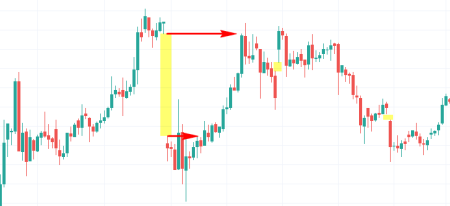




Bitcoin Fails to Rally on US-China Truce: Analyzing the Implications and Future Price Movements
In what many investors and market spectators might find surprising, Bitcoin failed to rally in response to the recently announced truce in trade tensions between the United States and China. Despite typically responding positively to global economic stability, the premier cryptocurrency remained relatively stagnant, causing many to wonder about its future price trajectory.

The US-China Trade Truce Overview
The United States and China have been in a trade conflict for several years, marked by tariffs and harsh rhetoric from both sides. This conflict has influenced global market sentiments, affected commodity prices, and even impacted the valuation of cryptocurrencies. However, a recent agreement to ease trade barriers and reestablish healthier economic relations has been met with worldwide approval.
Under normal circumstances, such a resolution should create a favorable environment for risk-on assets, including cryptocurrencies like Bitcoin. Typically, Bitcoin has demonstrated a propensity to climb in value during times of global economic stability, as investors look for high-yield investments outside of traditional stocks and bonds.
Lackluster Bitcoin Response
Contrary to expectations, Bitcoin’s response to the US-China truce was muted. The cryptocurrency did not exhibit any significant price movements and continued to hover around its pre-announcement levels. This has left investors and analysts pondering the reasons behind such stagnant behavior in what should have been a bullish catalyst.
Several factors could explain Bitcoin’s tepid response:
-
Market Maturity: As Bitcoin matures and becomes more integrated with traditional financial markets, its reactions to geopolitical events may become more nuanced. The cryptocurrency is increasingly being viewed as a digital version of gold, a safe-haven asset rather than a speculative tool.
-
Regulatory Landscape: Ongoing regulatory uncertainties in major markets, particularly in the United States where the SEC has taken varied stances on cryptocurrencies, could be dampening the effect of global economic news on Bitcoin.
-
Market Saturation: The current landscape of cryptocurrencies is vastly different from previous years, with a plethora of tokens and blockchain projects vying for investor attention. Bitcoin’s dominance, while still significant, is being challenged by these new entrants.
- Investor Sentiment and External Factors: Other global issues, such as the ongoing ramifications of the COVID-19 pandemic, might be playing a more significant role in influencing Bitcoin’s price than trade relations between major economies.
What’s Next for Bitcoin’s Price?
Looking forward, the trajectory of Bitcoin’s price in such a complex economic environment is challenging to predict. Several potential scenarios could unfold, depending on macroeconomic factors and crypto-specific developments:
- Continued Consolidation: Bitcoin may continue to experience periods of consolidation until a clearer global economic picture emerges.
- Bullish Reversal: If global markets start to view the crypto as a safe haven amid economic uncertainties, similar to gold, this could trigger a significant bullish movement.
- Bearish Drop: Conversely, further crackdowns on cryptocurrency use or negative regulatory developments could lead to a decrease in prices.
Conclusion
The unexpected lack of reaction from Bitcoin to the US-China trade truce highlights the cryptocurrency’s evolving relationship with global economic forces. As the market continues to mature and external factors such as regulation play a more significant role, investors should remain vigilant and prepared for both opportunities and setbacks. Understanding the broader macroeconomic context will be crucial for predicting future movements in Bitcoin’s price. As always, a diversified investment approach remains a prudent strategy in the unpredictable world of cryptocurrencies.