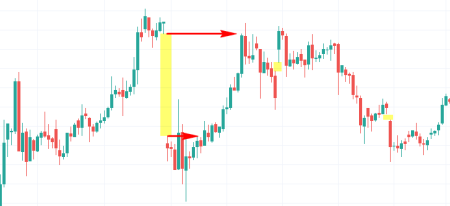



Recently, the market underwent a significant crash, leaving traders and investors alike questioning the reasons behind this dramatic decline. Such an epic downturn raises numerous concerns about market stability and future investment opportunities. As individuals analyze the volatility, they begin to wonder when might be the optimal moment to purchase stocks that have dipped in value.

Market crashes often stem from a variety of factors, including economic instability, changes in consumer confidence, or geopolitical events. Each of these elements can create a ripple effect that leads to decreased stock prices across multiple sectors. The significance of recognizing these factors cannot be overstated; understanding the underlying causes of a market crash may help traders make informed decisions regarding when to buy back into the market after a downturn.
For many investors, the phrase “buy the dip” is frequently referenced as a strategy during market corrections. This strategy encourages buying stocks at reduced prices, capitalizing on potential future recoveries. However, determining the right timing for such purchases is critical and can be influenced by market sentiment, analysis of economic indicators, and personal financial goals. It’s essential for traders to approach this strategy with caution and to conduct thorough research before committing to any investments.
In conclusion, the recent market crash has prompted many to reflect on both the reasons behind the decline and the considerations involved in buying the dip. It is vital for investors to stay informed and vigilant, as the right timing can significantly impact their success in navigating these challenging market conditions.