


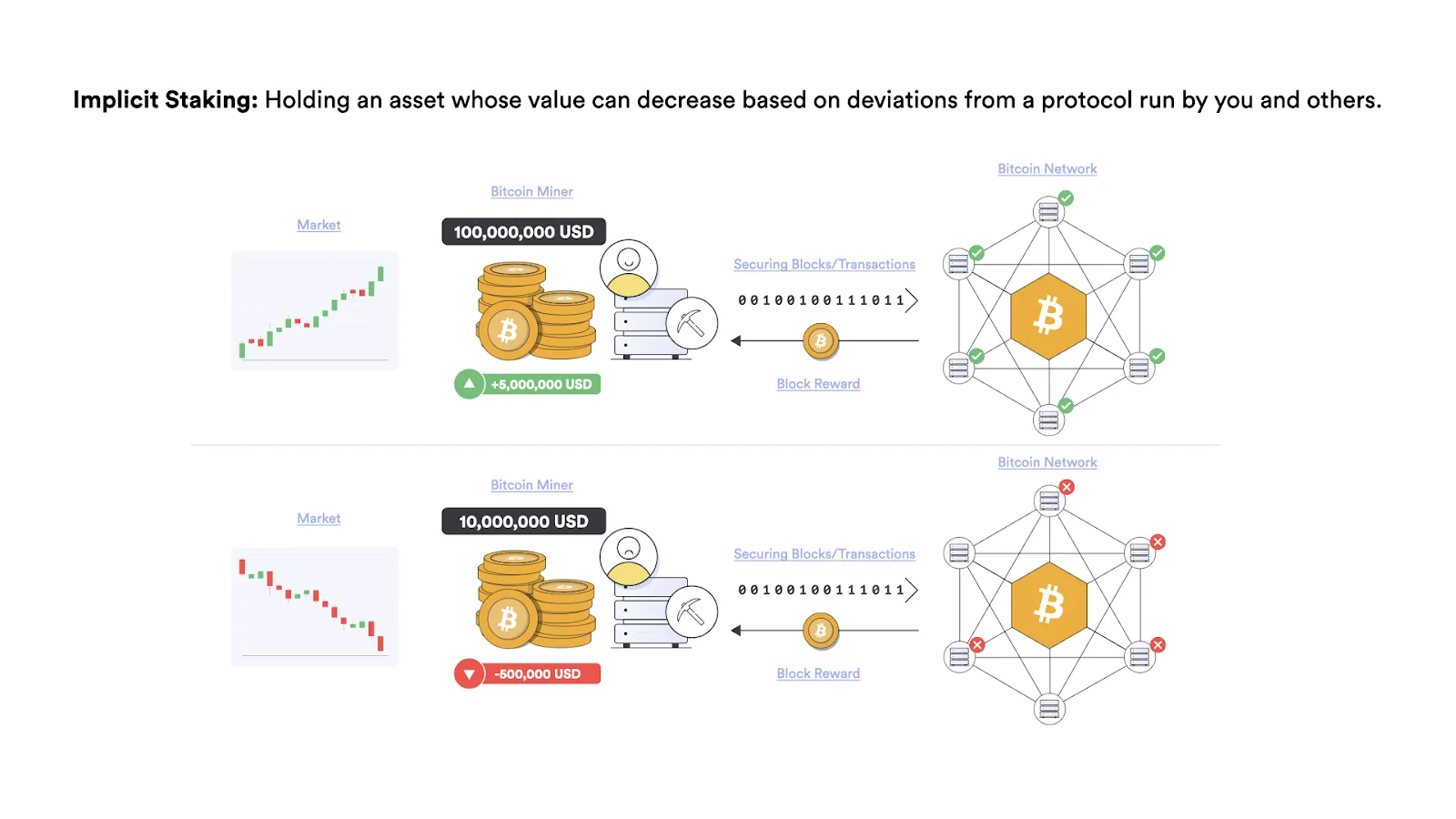

Staking plays a crucial role in improving blockchain security while providing users with opportunities to earn rewards. By participating in staking, users contribute to the integrity and stability of blockchain networks.

Key Takeaways
One prominent method of staking is through Proof-of-Stake mechanisms, which allow users to validate transactions and secure the network by holding and locking their cryptocurrency assets. This process contrasts with the energy-intensive Proof-of-Work method, making it a more environmentally sustainable choice for blockchain operations.
Staking not only secures the blockchain but also incentivizes users to actively participate in network governance by enabling them to vote on important decisions, such as upgrades and protocol changes. As a result, stakeholders often have a vested interest in the overall health and success of the network.
The rewards generated from staking can vary based on the specific blockchain protocol and the number of participants involved. Typically, rewards come in the form of newly minted tokens or transaction fees, which provide financial returns to those who contribute to the network’s security.
As the digital economy continues to evolve, the role of staking grows in importance. It fosters greater participation among users and encourages more decentralized decision-making processes. With its dual benefits of securing blockchain networks and generating rewards, staking is becoming a vital aspect of the cryptocurrency landscape.
Related: More from Regulation & Policy | Trump backs Clarity Act, criticizes banks for undercutting GENIUS in Crypto Regulation | Paul Atkins: Trumps Crypto Legacy in Crypto Regulation