
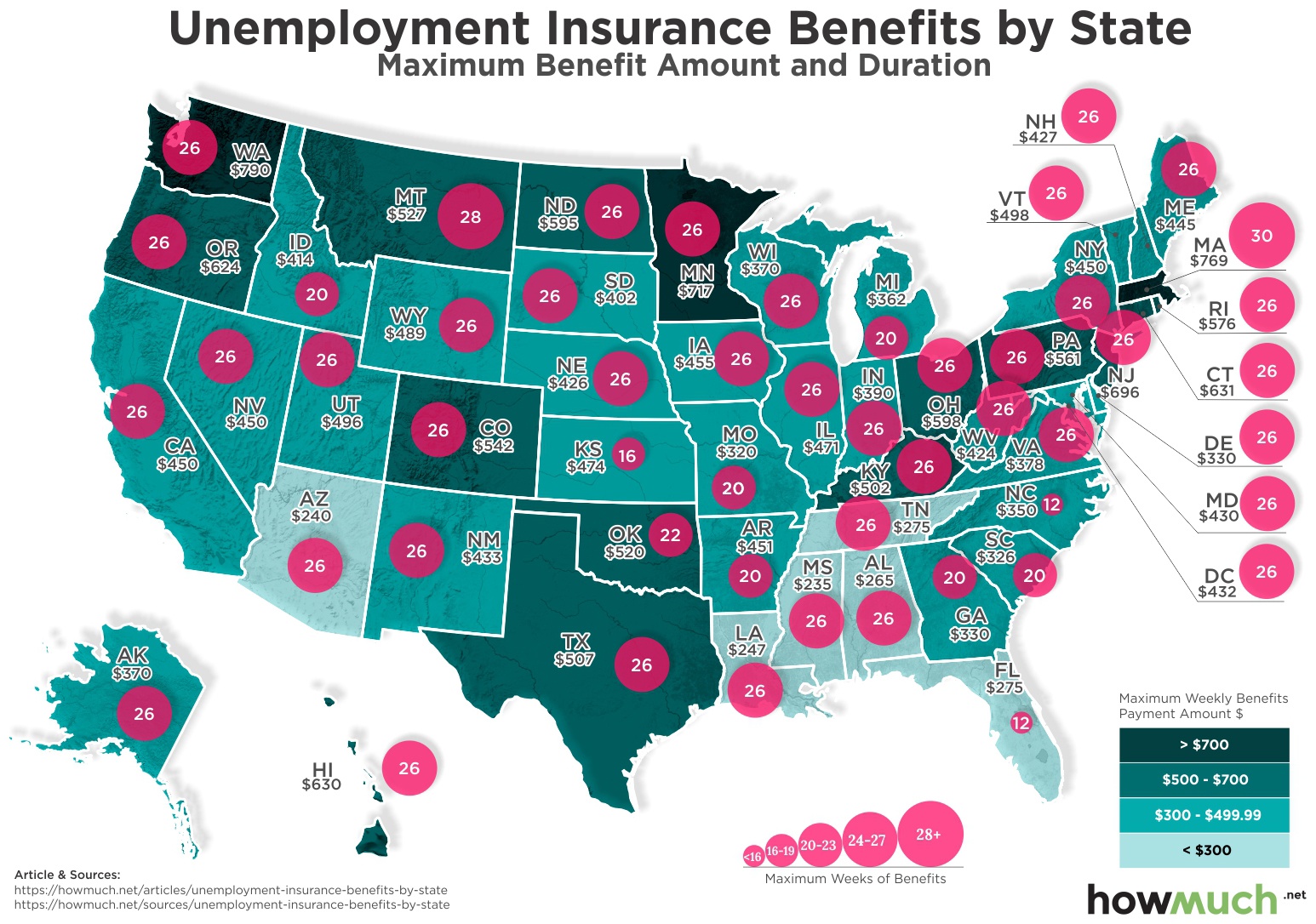

U.S. unemployment benefits play a crucial role in providing financial support to individuals facing job loss, especially during uncertain economic times. Recently, the number of new unemployment claims has unexpectedly decreased, reflecting a shift in the job market dynamics. Despite this decrease, labor market trends indicate that finding new employment remains a significant challenge for many. The ongoing discussions surrounding Federal Reserve interest rates and their potential cuts demonstrate the complex interplay between economic policies and unemployment rates. As the jobless claims decrease, it remains to be seen how these changes will influence the overall health of the U.S. economy.

In the landscape of the American workforce, social safety nets like unemployment assistance are vital for helping individuals navigate periods of joblessness. Current statistics show that initial applications for jobless benefits have declined, which can suggest positive shifts within the employment sector. However, this does not negate the difficulties many face in securing new positions amidst fluctuating labor market conditions. As the Federal Reserve deliberates on interest rate adjustments, the implications of these economic strategies could significantly affect unemployment figures and job availability. Understanding these dynamics is essential for grasping the broader economic narrative at play.
Understanding U.S. Unemployment Benefits
U.S. unemployment benefits are a critical safety net for individuals who find themselves out of work. These benefits are designed to provide temporary financial assistance to job seekers while they navigate the challenging landscape of job hunting. The recent trend shows a decrease in unemployment claims, suggesting that fewer people are relying on these benefits, even though the job market remains uncertain. Despite this decrease, many individuals still face obstacles in securing employment, indicating that improvements in labor market conditions are necessary.
The implications of these benefits extend beyond individual welfare; they also have ramifications for the broader economy. As the unemployment rate fluctuates, it can influence Federal Reserve interest rate decisions, since these rates impact borrowing costs and consumer spending. During periods of high unemployment, the Federal Reserve may lower interest rates to stimulate economic growth, but as jobless claims decrease, the urgency to maintain such low rates could diminish. Understanding this relationship is crucial for grasping how economic policy can affect lives.
Current Labor Market Trends
The current labor market trends indicate a complex scenario where unemployment claims are declining, yet challenges remain for job seekers. In the latest week, the applications for unemployment benefits fell to their lowest since mid-April, reflecting a positive sign for the economy. However, the paradox lies in the fact that despite fewer claims, many unemployed individuals are struggling to find new jobs. This dichotomy highlights a potential disconnect between the statistics and the real experiences of workers in different sectors.
Furthermore, labor market trends are closely monitored by economists and Federal Reserve officials, as they inform monetary policy decisions regarding interest rates. As the labor market shows signs of slowing, the possibility of additional rate cuts is under consideration. While a jobless claims decrease could suggest a strengthening economy, the persistence of high inflation paired with a struggling labor market complicates the Federal Reserve’s decision-making process. Thus, understanding these trends is essential for anticipating future economic shifts.
The Impact of Federal Reserve Interest Rates
Federal Reserve interest rates play a pivotal role in shaping the economic landscape, particularly in relation to the labor market and unemployment benefits. As the Federal Reserve has lowered interest rates in response to slowing growth, it aims to encourage borrowing and stimulate job creation. However, the ongoing uncertainty in the labor market poses questions about the effectiveness of such measures. Policymakers are deliberating whether another rate cut is warranted, given the mixed signals presented by unemployment data.
The relationship between interest rates and unemployment is inherently complex. When rates are lowered, it is expected that businesses will invest more in growth and hiring. However, the reality is that many industries are still cautious in their hiring practices due to economic pressures. Consequently, while jobless claims have decreased, there is still anxiety among job seekers, pointing to a labor market that is not yet fully healthy. The decisions made by the Federal Reserve will be crucial as they seek to balance stimulating the economy with controlling inflation.
Deciphering Jobless Claims Decrease
The recent decrease in jobless claims has become a focal point for analysts examining the health of the U.S. economy. Traditionally, a decline in unemployment claims is viewed positively; it indicates that fewer people are losing their jobs. However, this statistic alone does not encapsulate the full picture. Many unemployed individuals are report finding it increasingly difficult to secure new employment, which suggests that underlying issues in the labor market may not be immediately addressed by falling claims.
This phenomenon requires a closer examination of the types of jobs available and the skills of the labor force. The decrease in claims should not lead to complacency; rather, it should serve as a signal to policymakers that additional support may be necessary to truly enhance job opportunities. Understanding why people are facing challenges in finding work, despite a decrease in claims, is vital for addressing the systemic issues affecting the labor market.
Challenges in Finding Employment
The challenges faced by unemployed individuals in securing new jobs have become increasingly pronounced, even in the context of declining jobless claims. This presents a paradox where fewer claims do not necessarily equate to a healthier job market. Factors such as skills mismatch and economic uncertainty together contribute to the difficulty in re-employment, leading many to question the resilience of the current labor framework.
Moreover, the struggle to find jobs can lead to longer periods of unemployment, which has broader implications for personal finances and overall economic health. As the Federal Reserve contemplates adjusting interest rates in response to these evolving dynamics, understanding the reasons behind the labor market’s tepid recovery is crucial. This will ensure that future policies are more targeted towards aiding those still struggling to find work.
Economic Implications of Unemployment Rate
The unemployment rate is a key indicator of economic health, influencing everything from consumer confidence to Federal Reserve policies. As the rate fluctuates, it reflects the broader dynamics of labor market conditions and economic vitality. A decreasing unemployment rate can signal economic recovery, yet if it contrasts with rising jobless claims, it may reveal deeper issues within various sectors.
Moreover, the implications of a high unemployment rate extend to public policy decisions, especially those concerning monetary policy. If the unemployment rate does not align with other economic indicators, such as inflation or consumer spending, the Federal Reserve may face challenges in crafting effective policy responses. Consequently, monitoring the interplay between the unemployment rate and other economic indicators is essential for navigating future economic strategies.
The Role of Monetary Policy in Labor Market Dynamics
Monetary policy plays a significant role in shaping labor market dynamics, particularly in how it relates to unemployment benefits and jobless claims. Decisions made by the Federal Reserve regarding interest rates have a profound impact on economic growth and employment opportunities. As the economy faces headwinds, lower interest rates are often seen as a tool to stimulate growth and encourage hiring. However, there can be lagging effects that complicate these outcomes.
The interaction between monetary policy and labor market conditions necessitates ongoing assessment by policymakers. For instance, while a decrease in unemployment claims suggests an improving labor market, it is crucial to also consider underlying trends, such as wage growth and sector-specific employment rates. This nuanced understanding can help guide the Federal Reserve’s future decisions, especially as they balance the need to support the economy with the demands of inflation control.
Addressing Systemic Issues in Employment
Addressing systemic issues in employment is critical for nurturing a robust and resilient labor market. As the recent statistics indicate a decrease in unemployment claims, it’s important to recognize that this does not erase the fundamental challenges faced by many job seekers. Barriers such as a lack of accessibility to resources, skill mismatches, and sectoral shifts can hinder re-employment and call for a targeted approach to workforce development.
Policymakers need to focus on creating comprehensive strategies that address the unique challenges faced by different groups within the workforce. This could include enhancing training programs, expanding access to affordable education, and facilitating partnerships between businesses and educational institutions. By addressing these systemic issues, the path towards a healthier labor market can be paved, ultimately leading to decreased reliance on unemployment benefits.
Future Outlook for Employment and Economy
The future outlook for employment and the economy remains a topic of significant debate among economists and policymakers. While the decrease in jobless claims is a hopeful sign, many variables – including Federal Reserve interest rate policies, labor market trends, and inflation – continue to shape the economic landscape. As businesses navigate these complexities, the quest for stability and growth becomes central to future planning.
Additionally, the Federal Reserve’s decisions in the coming months will be crucial in determining the trajectory of both employment and economic stability. The delicate balance between fostering a thriving job market while tackling inflation pressures requires strategic foresight. Observing how these factors unfold will provide valuable insights into the sustainability of economic recovery and the ongoing health of the labor market.
Frequently Asked Questions
What are U.S. unemployment benefits and how do they work?
U.S. unemployment benefits are financial payments provided to individuals who have lost their jobs through no fault of their own. These benefits are designed to help support unemployed workers while they search for new employment. To qualify, individuals must file unemployment claims through their state’s unemployment insurance program.
How do I file a claim for U.S. unemployment benefits?
To file a claim for U.S. unemployment benefits, you typically need to visit your state’s unemployment office website and complete the online application. You may need to provide information about your previous employment, reason for unemployment, and any earnings you received prior.
What impact do Federal Reserve interest rates have on U.S. unemployment benefits?
Federal Reserve interest rates can influence U.S. unemployment benefits indirectly. For instance, when the Federal Reserve cuts interest rates, it often aims to stimulate economic growth, which can help improve the labor market. A better labor market may lead to fewer unemployment claims as more jobs become available.
How do labor market trends affect U.S. unemployment benefits?
Labor market trends significantly affect U.S. unemployment benefits. When the job market is strong, the unemployment rate typically decreases, resulting in fewer individuals needing to claim benefits. Conversely, in a weakening labor market, more people may apply for unemployment benefits, indicating a rise in unemployment claims.
What does a decrease in jobless claims indicate about U.S. unemployment benefits?
A decrease in jobless claims often indicates that fewer people are applying for U.S. unemployment benefits, suggesting that the job market is gaining strength. However, even with low jobless claims, it may still be difficult for the unemployed to find new positions, impacting overall labor market dynamics.
How does the unemployment rate affect U.S. unemployment benefits?
The unemployment rate directly impacts U.S. unemployment benefits. A high unemployment rate typically leads to an increase in unemployment claims as layoffs rise. Conversely, a low unemployment rate generally means fewer claims and less reliance on unemployment benefits as jobs become more available.
| Key Point | Details |
|---|---|
| Decrease in Applications | First-time unemployment benefit applications fell to the lowest level since mid-April. |
| Job Market Difficulty | It is becoming increasingly difficult for the unemployed to secure new jobs. |
| Federal Reserve Interest Rates | The Federal Reserve has cut interest rates at recent meetings to aid the slowing job market. |
| Policy Debate | There is disagreement among policymakers about the need for further rate cuts due to inflation concerns. |
Summary
U.S. unemployment benefits have seen a surprising decrease in new applications, hitting the lowest point since mid-April. Despite this, individuals continue to face challenges in finding new employment. The Federal Reserve’s recent interest rate cuts aim to support the labor market, yet the debate among officials continues on the appropriate course of action moving forward, particularly in light of ongoing inflation. Achieving a balance between stimulating job growth and controlling prices remains a critical issue for policymakers.
Related: More from Market Analysis | Polymarket: Traders Bet $500M on US in Crypto Market | Related Box Test