
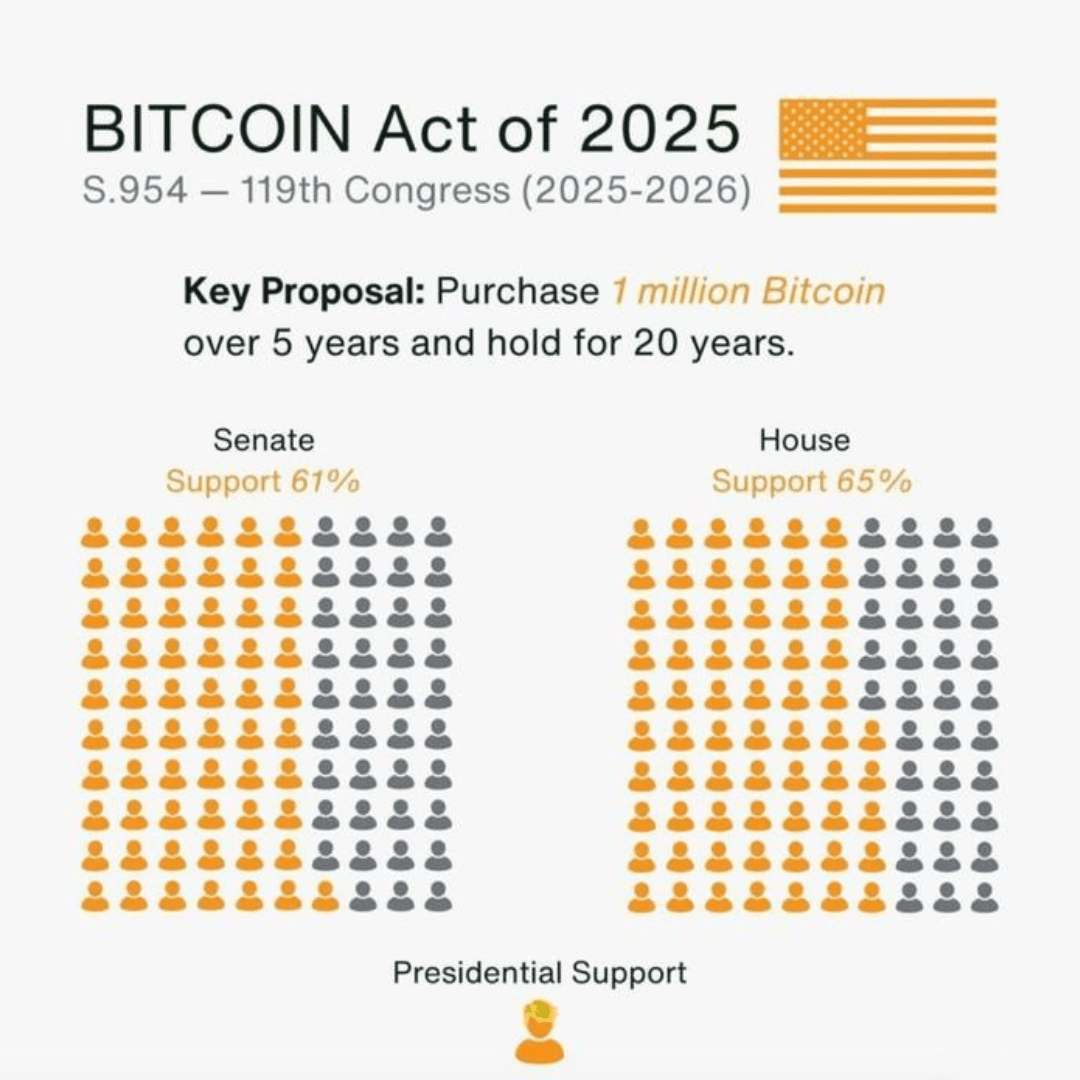

The U.S. Bitcoin policy is shaped by a firm stance from government officials regarding the cryptocurrency‘s role in the financial landscape. Treasury Secretary Scott Bessent recently clarified that the government does not plan to intervene during a Bitcoin market downturn, nor will it compel private banks to invest in Bitcoin (BTC). This declaration underscores a broader perspective on Bitcoin government involvement, emphasizing limited authority in regulating or purchasing cryptocurrencies directly. In fact, the U.S. Treasury’s approach focuses on maintaining financial stability in the face of market volatility and managing Bitcoin assets acquired through asset seizures. Interestingly, these seized assets have appreciated significantly, reflecting a strategic reserve strategy that avoids direct market purchases while still capturing value from confiscated cryptocurrencies.

In light of recent statements from U.S. financial authorities, it is clear that the government is adopting a cautious approach towards digital currencies like Bitcoin. The country’s regulatory framework reflects an intention to not provide support during cryptocurrency downturns or to drive institutional investment through mandates. Instead, U.S. Treasury policies focus on the custodianship of seized Bitcoin resources, which emphasizes a reactive rather than proactive role in the evolving cryptocurrency market. As such, discussions surrounding the safeguarding of financial stability amidst cryptocurrencies are becoming increasingly relevant. This context highlights the intricate dynamics of regulation and asset management within the fast-paced world of digital currencies.
| Key Points |
|---|
| U.S. government will not bail out Bitcoin during market downturns. |
| No requirement for private banks to buy Bitcoin or “Trump coin.” |
| The Treasury and FSOC lack authority to mandate bank purchases of Bitcoin. |
| Bitcoin value from asset seizures increased from $500 million to over $15 billion. |
| U.S. will increase Bitcoin reserves only through asset seizures or budget-neutral methods. |
| No direct purchases of Bitcoin from the open market planned. |
Summary
The current U.S. Bitcoin policy highlights a firm stance against government interventions in the Bitcoin market, emphasizing stability and accountability. U.S. officials have clearly defined their role concerning Bitcoin as one focused on regulation rather than direct monetary support or investment, thereby ensuring that private financial institutions operate without government compulsion in terms of cryptocurrency transactions. This reflects a growing recognition of Bitcoin’s potential risks and the importance of maintaining a stable financial ecosystem.
Understanding U.S. Bitcoin Policy and Market Dynamics
The recent remarks by U.S. Treasury Secretary Scott Bessent during a congressional hearing have highlighted the current stance of the U.S. government regarding Bitcoin. Notably, Bessent made it clear that during times of market downturns, the government does not intend to intervene by providing bailouts for Bitcoin. This position underscores a hands-off approach, indicating that the government will not direct private banking institutions to acquire Bitcoin. This policy reflects a broader trend of caution towards cryptocurrency and market fluctuations, emphasizing the necessity for investors to engage with Bitcoin on their own terms.
Moreover, Bessent’s comments reinforce the idea that U.S. Bitcoin policy prioritizes financial system stability over speculative gains. The U.S. Treasury and the Financial Stability Oversight Council (FSOC) lack the authority to require banks to invest in Bitcoin, signaling that governmental involvement in the cryptocurrency market will remain minimal. This stance may dissuade major banks from entering the Bitcoin arena, reinforcing the perception of Bitcoin as a high-risk asset during turbulent market conditions.
The Role of Asset Seizures in U.S. Bitcoin Strategy
The U.S. government’s strategy regarding Bitcoin includes the unique approach of accumulating Bitcoin through asset seizures. According to Secretary Bessent, the value of Bitcoin held through these seizures has increased significantly, from approximately $500 million to over $15 billion. This dramatic rise in value exemplifies the potential of Bitcoin as an appreciating asset, although it raises questions about the implications of government ownership of such a volatile digital currency.
The strategy implies that the U.S. government will not resort to purchasing Bitcoin through traditional channels, but rather will continue to grow its holdings via budget-neutral measures related to asset seizures. This creates an interesting dynamic where the government becomes a significant holder of Bitcoin, potentially influencing market perceptions and stability. The commitment to not making direct purchases suggests a cautious but deliberate approach to integrating Bitcoin into U.S. financial strategy, ensuring that the government remains a player in the cryptocurrency landscape without directly contributing to market volatility.
Bitcoin and Financial Stability: A Complex Relationship
As the cryptocurrency market continues to evolve, the relationship between Bitcoin and financial stability has become increasingly complex. Secretary Bessent’s comments shed light on the government’s perspective, which ultimately aims at safeguarding the financial system from excessive risk. The decision not to engage in bailouts during downturns reflects a belief that financial institutions and investors must learn to navigate the volatility of assets like Bitcoin independently, rather than relying on government intervention.
This approach poses a challenge for Bitcoin investors, particularly during periods of market downturn. The lack of governmental support or safety nets can amplify the risks associated with investing in Bitcoin, leading some stakeholders to question the long-term viability of Bitcoin as a stable asset. Understanding how to mitigate these risks while acknowledging that ownership and investment in Bitcoin carries inherent uncertainties is crucial for anyone engaging with the cryptocurrency market.
The Impact of Government Regulation on Bitcoin Adoption
Government regulation plays a pivotal role in the adoption and perception of Bitcoin within the financial ecosystem. With U.S. Treasury Secretary Scott Bessent emphasizing that the government will not bail out Bitcoin or compel banks to purchase it, the implication is clear: Bitcoin operates in an environment of limited regulatory support. This can deter institutional investors who might otherwise embrace Bitcoin, leading to a slower adoption rate among traditional financial entities.
As regulatory frameworks develop, their impact on Bitcoin adoption cannot be underestimated. Investors and institutions must navigate an ever-evolving landscape of compliance and risk management that could dictate their ability to engage with Bitcoin. Understanding these regulations is essential for anyone looking to leverage Bitcoin as an investment asset, especially in the face of potential market downturns, highlighting the critical balance between innovation and regulation.
Navigating Bitcoin Market Downturns: Strategies for Investors
In light of recent comments from U.S. Treasury Secretary Scott Bessent, navigating Bitcoin market downturns has become a pressing concern for investors. With the government asserting that it will not provide bailouts, individuals and institutions must establish strategies to mitigate potential losses during adverse market conditions. Adopting a diverse investment strategy, including a mix of traditional assets and Bitcoin, may help in cushioning the impact of drastic price fluctuations.
Moreover, staying informed about market trends and government policies regarding Bitcoin is vital for any investor. Understanding the influences of market cycles, the implications of press releases, and broader economic indicators can provide crucial insights. Preparedness and education become key components for investors looking to withstand the highs and lows of the Bitcoin market and capitalize on opportunities when they arise.
Implications of U.S. Treasury Bitcoin Holdings
The U.S. government’s holdings of Bitcoin, as acquired through asset seizures, present both opportunities and risks that can influence the markets. This implementation not only indicates an acknowledgement of Bitcoin’s value as an asset but also places the government in a unique position as a significant market player. As stated by Secretary Bessent, the government’s Bitcoin store is announced to be increased only through asset seizures and not through market purchases, outlining a strategy focused on sustainability.
However, these holdings can also raise concerns regarding potential government interventions in the future, especially in times of crisis. The sheer volume of Bitcoin under government control might lead to fears of market manipulation, thereby impacting investor confidence. Balancing these holdings with transparent policies will be crucial in influencing how both institutional and retail investors perceive the legitimacy and stability of Bitcoin as an asset class.
The Future of Bitcoin in the U.S. Economy
As the U.S. government continues to define its role in the Bitcoin ecosystem, the future of Bitcoin in the U.S. economy remains a topic of great speculation. Secretary Bessent’s statements signal that rather than embracing Bitcoin as a staple asset, the government will maintain a cautious approach that could impact long-term growth and acceptance. Potential investors are left to consider how these policies might shape market behaviors and the overall investment climate for cryptocurrencies.
The dual nature of Bitcoin – both as a potential high-yield investment and a speculative risk – must be reserved in light of U.S. policy. The government’s decision not to intervene during market downturns effectively means Bitcoin’s fate is largely in the hands of individual investors and the market itself. For Bitcoin to integrate fully into the U.S. economy, it may need to evolve beyond its current speculative reputation and into a stable and recognized financial asset.
U.S. Government’s Stance on Bitcoin Asset Seizures and Beyond
The U.S. Treasury Secretary’s position on Bitcoin asset seizures has opened up discussions regarding the legal and financial frameworks surrounding cryptocurrencies. By retaining Bitcoin through asset seizures, the government is not only capitalizing on the appreciation of this digital asset but also indicating a potentially larger role in managing Bitcoin flows within the economy. This approach can further complicate the narrative around Bitcoin, positioning the government as both a guardian and a potential competitor in the market.
Furthermore, the implications of retaining Bitcoin through asset seizures extend beyond mere profitability. It introduces an aspect of control over the Bitcoin market that could influence public sentiment and investment strategies. As the value of these assets rises, discussions about ethical implications and the rationale behind government ownership of Bitcoin are essential to consider for both policymakers and investors alike.
Enhancing Financial Literacy Around Bitcoin and Cryptocurrencies
In light of the rising complexities associated with Bitcoin investment and U.S. policies, enhancing financial literacy around Bitcoin and cryptocurrencies is critical. As Secretary Bessent highlighted the lack of government bailouts and the risks involved, a well-informed public is essential to navigate the volatile landscape of digital currencies. Educational initiatives focusing on the intricacies of Bitcoin, the impacts of regulation, and investment strategies can empower individuals to make educated financial decisions.
Improving financial literacy in cryptocurrency markets promotes a greater understanding of investing risks and helps mitigate fears during market downturns. By equipping individuals with knowledge on how to analyze market trends and potential regulatory shifts, the financial community can foster a more resilient approach to Bitcoin investing and pave the way for responsible cryptocurrency engagement.
Frequently Asked Questions
What is the U.S. government’s position on Bitcoin market downturns?
The U.S. government, as articulated by Treasury Secretary Scott Bessent, will not intervene in Bitcoin market downturns by providing bailouts. The U.S. Treasury maintains a stance that it will not instruct private banks to purchase Bitcoin during such events.
How does U.S. Treasury involvement affect Bitcoin?
U.S. Treasury involvement in Bitcoin primarily revolves around asset seizures rather than direct market interventions. Secretary Bessent clarified that the Treasury has no authority to compel banks to buy Bitcoin and will not be using reserve requirements to affect Bitcoin purchases.
Does the U.S. government seize Bitcoin assets?
Yes, the U.S. government does seize Bitcoin assets through enforcement actions. Secretary Bessent noted that the U.S. will continue to hold Bitcoin acquired through these seizures, which has appreciated significantly in value from approximately $500 million to over $15 billion.
What is the financial stability stance of the U.S. regarding Bitcoin?
The U.S. government, particularly through the Financial Stability Oversight Council (FSOC), does not see Bitcoin as an asset that warrants government bailouts or direct purchases. This reflects a cautious approach aiming to maintain financial stability without intervening in the Bitcoin market.
Will the U.S. Treasury purchase Bitcoin directly?
No, the U.S. Treasury will not purchase Bitcoin directly on the open market. The increase of Bitcoin in the U.S. Bitcoin strategic reserve will occur solely through asset seizures or budget-neutral methods, ensuring that there will be no market manipulation or improvised purchases.
Related: More from Bitcoin News | AI, BTC Miners Issue High | Bitcoin Above $69K? Glassnode Weighs In