

Headline: US and South Korea Seal Expansive Economic and Security Pact With Major Investments and Tariff Cuts

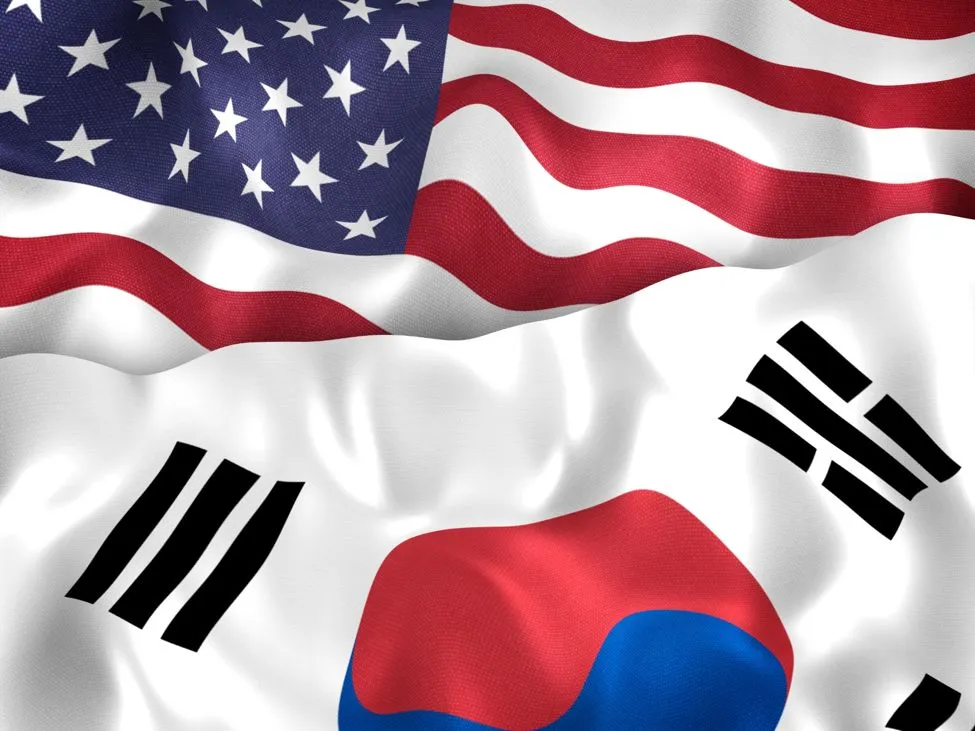
The United States and South Korea have announced a far-reaching economic and security pact that blends large-scale investment with new market access and deeper defense cooperation. The package underscores a tightening strategic alliance, pairing industrial commitments with measures designed to streamline trade and bolster regional security.
Under the agreement, Washington approved US$150 billion in Korean investment focused on the U.S. shipbuilding sector, alongside an additional US$200 billion in strategic investments outlined in a new Memorandum of Understanding. On defense, the U.S. authorized South Korea to build nuclear-powered attack submarines, while Seoul committed to purchase US$25 billion in U.S. military equipment by 2030 and to raise defense spending to 3.5% of GDP as soon as feasible. South Korea also detailed comprehensive support for U.S. Forces Korea totaling US$33 billion within its domestic legal framework.
The trade pillar of the deal reduces Section 232 tariffs on Korean automobiles, auto parts, timber, lumber, and wood derivatives to 15%, and sets an upper limit of 15% on Section 232 tariffs for Korean-origin pharmaceuticals. In return, South Korea will remove the 50,000-unit cap on U.S.-made vehicles entering its market without modification and work with Washington to address non-tariff barriers in food and agricultural trade. Taken together, the measures represent one of the most extensive bilateral packages of the current administration and arrive as policymakers also move to stabilize the won following recent currency pressure.
Key Points: – US$150 billion in Korean investment approved for U.S. shipbuilding, plus US$200 billion in new strategic investments – U.S. authorizes South Korea to build nuclear-powered attack submarines – Seoul to purchase US$25 billion in U.S. military equipment by 2030 and target defense spending of 3.5% of GDP – US$33 billion in support for U.S. Forces Korea committed under domestic legal frameworks – Section 232 tariffs cut to 15% on Korean autos, parts, timber, and related products; 15% cap for Korean-origin pharmaceuticals – South Korea to remove the 50,000-unit cap on U.S.-made vehicles and collaborate on easing non-tariff barriers in agriculture and food trade