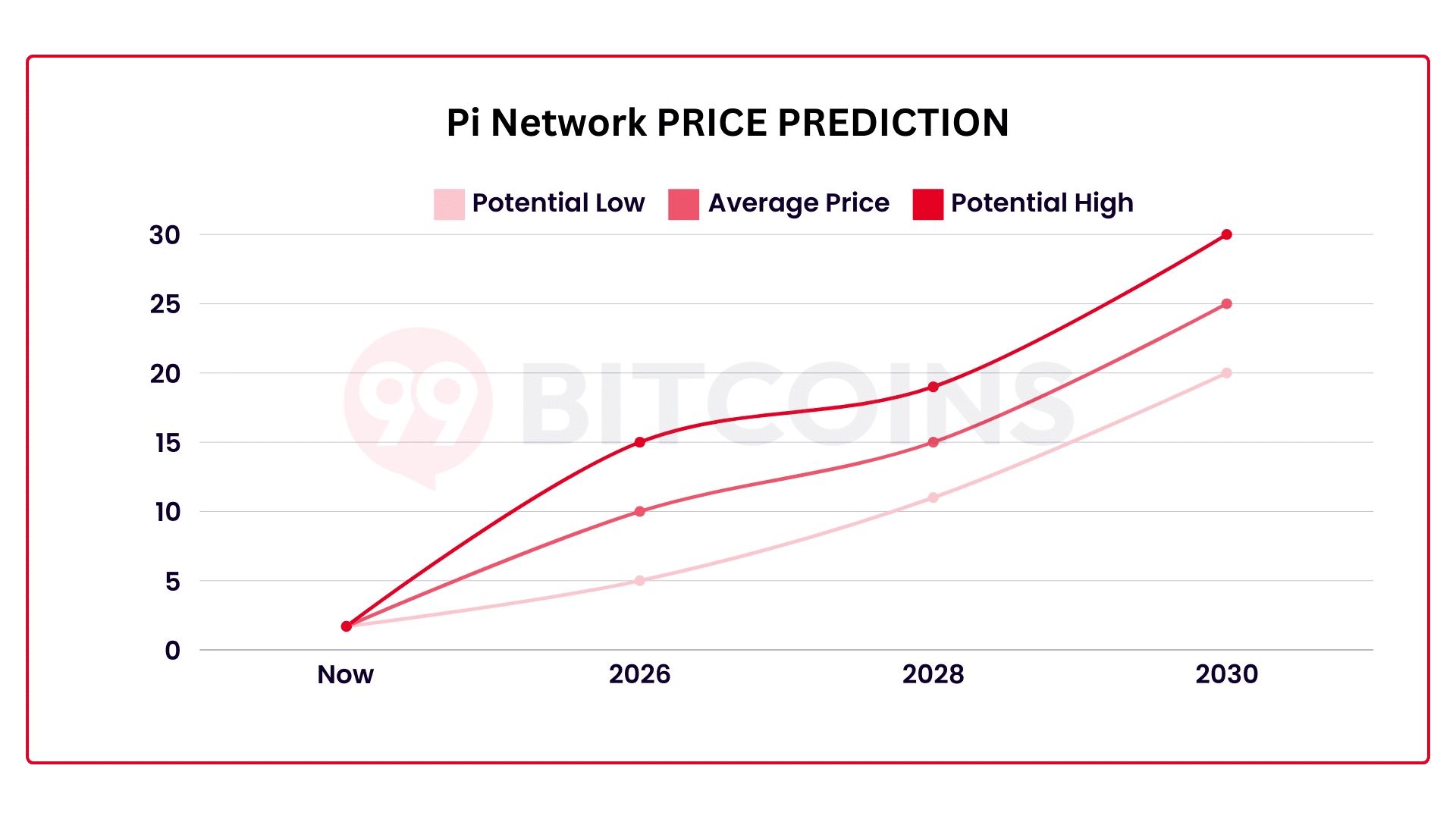

Two Key Metrics Show Pi Coin's Next Price Direction
Cryptocurrencies have always presented a unique challenge and opportunity for investors, with their high volatility and evolving technology. Among the newer entries into the crypto market is Pi Network’s Pi Coin, a digital currency that aims to be accessible and usable by everyday people. While Pi Coin hasn’t officially launched on the broader cryptocurrency exchanges as of early 2023, anticipation around its value and potential trading strategies is mounting. In this context, monitoring key metrics can provide insight into its expected market behavior once it becomes officially tradable. Here, we examine two significant indicators: user adoption rates and network engagement.
Key Takeaways
1. User Adoption Rate
User adoption rate is a critical metric for understanding the potential market demand for a new cryptocurrency like Pi Coin. Since Pi Network utilizes a unique mining approach where users earn coins by participating in network activities through a mobile app, the adoption rate directly influences the coin’s supply dynamics.
As Pi continues in its testing phase, its adoption rate has seen exponential growth. Reports suggest millions of users globally have joined the platform, attracted by its low-barrier entry to crypto mining. This rapid expansion of the user base could potentially lead to a high initial supply of Pi Coins once the network moves out of the pilot phase and opens up trading.
High user adoption can signal a robust future demand, especially if the network effectively translates its user base into active, engaged community members. However, it could also lead to an oversupply of coins on the market, potentially driving down the price initially. Therefore, investors and analysts watching Pi Coin’s movement into the market need to keep a keen eye on how these dynamics balance out as more official information and timelines for trading are released.
2. Network Engagement
Network engagement is another crucial metric, encompassing the activity level of Pi’s user base, including transaction volumes and the utilization of Pi coins within the network. A cryptocurrency’s success often hinges not just on the number of people who buy and hold the coin, but on how many use it for various transactions such as purchases, trading, and other utilities within the ecosystem.
Given Pi’s proposition to make cryptocurrency usage as common as fiat currencies, the kind of engagement it sees post-launch could be a significant indicator of its sustainability. Will users only mine and hold the coins, or will they also spend, trade, and invest them within and outside the Pi network? Higher engagement in these activities can lead to a healthier, more stable market for Pi Coins.
Furthermore, since Pi Network emphasizes the development of applications on its platform, the utility and popularity of these applications could enhance overall network engagement. If successful, apps built on Pi’s platform could drive the real-world utility of the coin, increasing its transaction volume and, consequently, its valuation in the market.
Conclusion
While the actual trading value of Pi Coin remains speculative until its official launch, these two metrics, user adoption rate and network engagement, will likely be pivotal in determining its direction on the market. Potential investors should monitor these indicators closely as the network transitions into a fully operational blockchain and trading platform.
In summary, while the excitement around Pi Coin’s novel approach to crypto mining and usability promises much, its success will depend significantly on how these metrics play out when the coin moves from theory and testnets into the bustling world of global cryptocurrency markets.
Related: More from Market Analysis | Ray Dalio: Gold Alone Amidst Iran Crisis in Crypto Market | Polymarket Closes Nuclear Detonation Markets Amidst Outcry in Crypto Market