



Turkmenistan cryptocurrency legislation marks a pivotal moment in the Central Asian nation’s economic landscape as President Serdar Berdimuhamedov takes bold steps to embrace the digital financial revolution. This new decree officially legalizes cryptocurrency mining and trading, paving the way for a regulated environment that may encourage foreign investment and innovation. Although the law recognizes virtual assets by integrating them into civil law, digital currencies are still not permitted as legal tender, which raises questions about their practical use in daily transactions. As news of Turkmenistan crypto developments unfolds, local enthusiasm for cryptocurrency mining in Turkmenistan grows, driven by the country’s substantial energy resources. The overarching impact of the Berdimuhamedov cryptocurrency decree is expected to reshape the nation’s financial framework, making it a point of interest in global discussions on digital economies.

The recent advancements in Turkmenistan’s legislative framework for digital assets highlight a significant transitional phase in the region’s approach to cryptocurrencies. With the introduction of laws governing virtual currencies and their mining activities, the country is positioning itself to potentially become a player in the global blockchain arena. While still navigating the complexities of recognizing these assets as legit forms of payment, the atmosphere surrounding digital currencies in Turkmenistan is becoming increasingly optimistic. As the nation continues to regulate these technologies, there is growing anticipation for broader cryptocurrency news and developments, particularly regarding the engagement of local miners and businesses. This shift is reflective of a larger trend where countries seek to harness the potential of alternative financial systems while balancing regulatory oversight.
The Impact of Cryptocurrency Legislation in Turkmenistan
The recent decree signed by President Serdar Berdimuhamedov to legalize cryptocurrency mining and trading marks a pivotal change in Turkmenistan’s economic framework. This legislation acknowledges the role of virtual assets within the country’s legal system, paving the way for a more structured approach to digital currencies. As this framework evolves, it is expected to engage local and foreign investors, thus invigorating economic activity in a nation traditionally reliant on its gas exports. Furthermore, allowing the operation of licensed cryptocurrency exchanges regulated by the central bank can infuse the economy with innovative digital financial services, potentially enhancing economic diversification.
However, despite this progressive step toward embracing digital economies, it is important to note that cryptocurrencies in Turkmenistan are not yet considered legal tender. This means that while cryptocurrency mining and trading can take place, these digital currencies cannot be used for everyday transactions or recognized as securities. Such limitations may restrict the immediate impact of the new legislation on the overall economy, raising questions about how effectively it will stimulate growth in the tech sector and promote the adoption of blockchain technologies in the country.
Cryptocurrency Mining Prospects in Turkmenistan
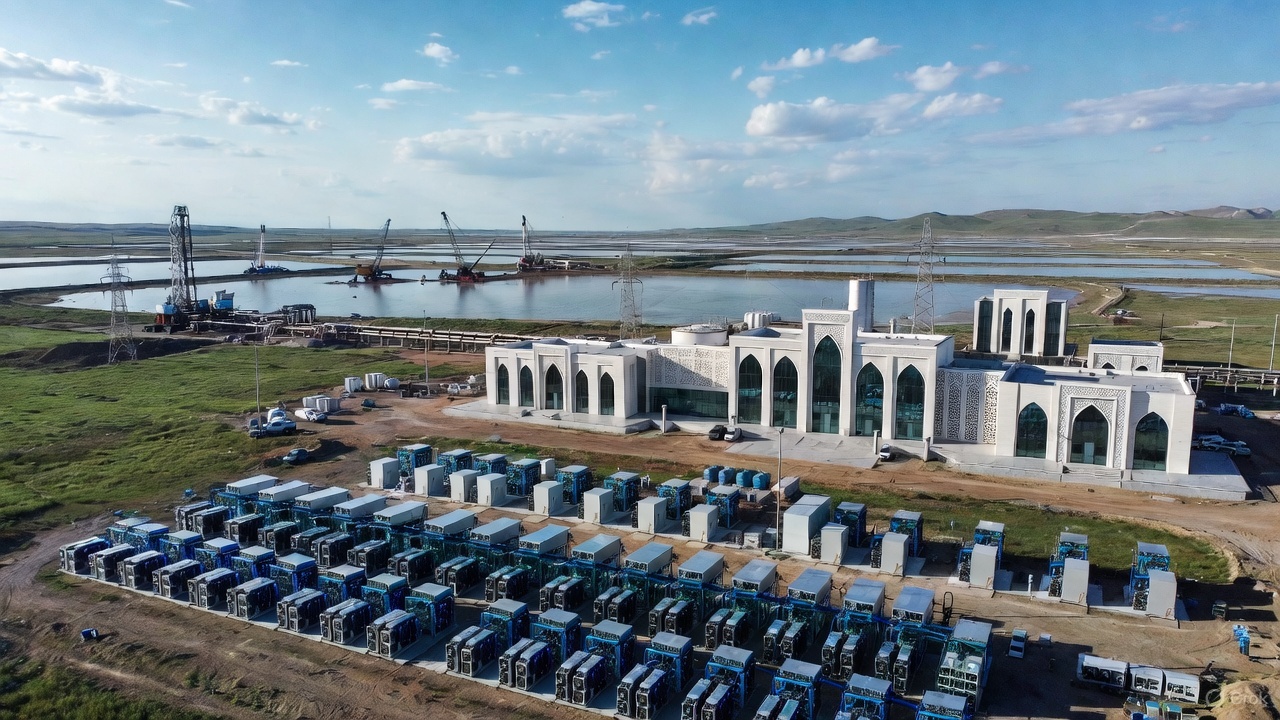
The legal framework for cryptocurrency mining in Turkmenistan presents a unique opportunity for both local miners and international investors. With an abundance of natural gas, Turkmenistan has the potential to harness this energy source to fuel cryptocurrency mining operations, which are notoriously energy-intensive. The government’s endorsement of mining could lead to the establishment of mining farms that would benefit from low operational costs, positioning Turkmenistan as an attractive hub for mining activities in the region. This could attract foreign investment, leading to technological advancements and job creation, which are crucial for the country’s struggling economy.
Furthermore, as the segment of cryptocurrency mining grows, it is imperative for Turkmenistan to develop robust legal frameworks to ensure compliance and accountability within the industry. The drafted regulations must focus on sustainability and economic viability to prevent the environmental degradation often associated with mining activities. Moreover, establishing clear guidelines and a licensing process will benefit both market participants and regulators, fostering a healthy environment for growth while mitigating potential risks associated with unregulated activities.
Understanding the Current Status of Digital Currencies in Turkmenistan
Despite the groundbreaking legislation that legalizes cryptocurrency mining and trading, many in Turkmenistan are left wondering about the status of digital currencies within their economy. The government’s current stance that does not recognize cryptocurrencies as legal tender means that citizens cannot use these assets for daily purchases or as investments in traditional securities. This creates a paradox where the potential for innovation exists, but the practicality remains limited, restricting citizen engagement with the global cryptocurrency ecosystem. Reports from Turkmenistan crypto news outlets suggest that there is still considerable public interest in digital currencies, which may drive future policy revisions.
The restricted internet access in Turkmenistan is also a significant barrier to the effective implementation of cryptocurrency systems. While international exchanges offer various platforms for trading, the government control over the internet poses challenges for transparency and security. Citizens looking to engage in cryptocurrency trading may find themselves facing hurdles, which could hinder the growth of this newly established sector. Thus, a reevaluation of internet policies alongside the cryptocurrency legislation might be necessary for fostering a more conducive environment for digital asset growth.
The Role of Government in Regulating Cryptocurrency
The regulation of cryptocurrency in Turkmenistan is primarily influenced by the central government, which seeks to maintain economic stability in a rapidly changing financial landscape. By introducing a licensing system for cryptocurrency exchanges, the government aims to regulate activities while ensuring that they align with national interests. This careful balancing act is crucial, especially in a nation still grappling with the impacts of global economic shifts. The regulation helps provide a framework that can protect investors while encouraging responsible growth within the digital currency market.
Moreover, as digital currencies like Bitcoin and Ethereum close in on mainstream acceptance, Turkmenistan’s legislation could be seen as a preemptive measure to integrate cryptocurrencies into the local economy strategically. However, the government’s role must also include consumer education about the risks associated with investing in these volatile assets. Comprehensive regulatory measures could forge a pathway that not only safeguards the economy but also prepares citizens to responsibly navigate the cryptocurrency market.
Potential Economic Benefits of Cryptocurrency in Turkmenistan
The legalization of cryptocurrency mining and trading could potentially unlock various economic benefits for Turkmenistan. Firstly, an influx of investments in the tech sector may emerge, leading to technological advancements that can bolster other industries within the economy. The positive ripple effects on job creation and new business opportunities could significantly alter the employment landscape, particularly for younger generations seeking innovative career paths. Moreover, as the mining industry develops, there may be a shift in skill sets towards technology and digital finance, fostering a culture of innovation.
Additionally, as global interest in cryptocurrencies continues to rise, Turkmenistan’s strategic positioning as a facilitator of cryptocurrency activities could enhance its standing on the international stage. This could lead to partnerships with global tech firms and investors looking to leverage the nation’s resources. However, much depends on how well the government implements regulatory and infrastructural frameworks to sustain growth in this sector. The potential for economic diversification hinges on the ability to integrate these new digital assets effectively into the broader economy.
Challenges Facing Cryptocurrency Adoption in Turkmenistan
As Turkmenistan moves forward with its cryptocurrency legislation, several challenges loom over the adoption of digital currencies. Chief among these challenges is the societal perception and understanding of cryptocurrencies, which many still view with skepticism due to their complex nature and potential association with illegal activities. This has been compounded by the lack of infrastructure and resources to educate the public about digital currencies and blockchain technology. It’s essential for the government and stakeholders to engage in outreach initiatives that demystify cryptocurrencies and inform citizens of their benefits and potential risks.
Another significant barrier to adoption is the government’s stringent control over the internet, which hampers the ability of citizens to access cryptocurrency exchanges and other necessary platforms. The local populace may find it difficult to trade or invest in digital assets, as the lack of reliable internet can lead to restricted access to global markets. Addressing this issue through reforms in communication infrastructure will be vital for encouraging active participation in cryptocurrency trading and mining in Turkmenistan, ultimately determining the success of the recent legislation.
The Future of Cryptocurrency in Turkmenistan
The future of cryptocurrency in Turkmenistan seems promising but is still riddled with uncertainties. While the recent decree signed by President Berdimuhamedov signals a shift in economic policies, the success of these efforts largely depends on how the government navigates the complexities of global digital economies. With continued interest in cryptocurrency and digital asset technology, there is an opportunity for Turkmenistan to carve out a unique niche within the region, fostering innovation while promoting economic growth.
However, for this future to materialize, Turkmenistan must address the legal, infrastructural, and societal challenges that currently hinder the full adoption of digital currencies. Continued efforts to educate the public, coupled with strategic investments in technology and infrastructure, will be critical in establishing a robust and dynamic cryptocurrency market. As the global digital landscape rapidly evolves, Turkmenistan’s response to these changes will play a determinant role in its economic trajectory.
Adapting to Global Cryptocurrency Trends
Global trends in cryptocurrency highlight the need for Turkmenistan to remain agile and informed as it navigates its own legislative landscape. While the country is rushing to embrace the potential of cryptocurrencies through licensing and regulation, it’s also essential to keep pace with the rapidly changing dynamics of international crypto markets, including regulatory best practices and technological advancements. Engaging with global players and experts in the field can provide valuable insights that can help shape Turkmenistan’s policies to not only align with global standards but also attract foreign investment.
Moreover, Turkmenistan can leverage developments in cryptocurrency to foster local talent in tech and finance through collaborations and educational initiatives. Developing partnerships with educational institutions globally can cultivate a workforce capable of driving innovation in blockchain technology, thus enhancing the country’s competitiveness in the digital economy. By adapting to global trends and aligning national interests with technological advancements, Turkmenistan can build a promising future for its cryptocurrency landscape.
A Look into the Future of Cryptocurrency Mining in Turkmenistan
The future of cryptocurrency mining in Turkmenistan holds considerable potential as the newly established licensing system demonstrates the government’s commitment to creating a regulated environment. By tapping into the country’s abundant energy resources, specifically natural gas, miners can expect a favorable climate for their operations. This could entice major players in the cryptocurrency space to explore mining opportunities in Turkmenistan, contributing to regional economic resilience and providing foundational support for future blockchain innovations.
However, the path forward will require careful policy formulation to ensure that the environmental and economic aspects of cryptocurrency mining are balanced. The government must introduce measures that promote sustainable mining practices while fostering an inviting atmosphere for investment. Harnessing transparency and accountability in the mining sector will further reinforce public trust and potential growth opportunities, positioning Turkmenistan as a leader in cryptocurrency mining within Central Asia.
Frequently Asked Questions
What is the latest update on Turkmenistan cryptocurrency legislation?
The latest update on Turkmenistan cryptocurrency legislation is that President Serdar Berdimuhamedov has signed a decree to officially legalize cryptocurrency mining and trading. This is a significant step as it incorporates virtual assets into the civil law of Turkmenistan and establishes a licensing system for cryptocurrency exchanges regulated by the central bank.
How does Turkmenistan’s cryptocurrency legislation impact cryptocurrency mining in the country?
Turkmenistan’s cryptocurrency legislation impacts cryptocurrency mining by officially legalizing it. The new law establishes guidelines for miners and lays out a framework for the operation of cryptocurrency exchanges, although it’s important to note that digital currencies are still not recognized as legal tender.
Will digital currencies be considered legal tender under Turkmenistan’s cryptocurrency legislation?
Under the current cryptocurrency legislation in Turkmenistan, digital currencies are not considered legal tender. While the law allows for cryptocurrency mining and trading, it maintains that cryptocurrencies cannot be used as a means of payment or classified as securities.
What should investors know about trading cryptocurrencies in Turkmenistan?
Investors looking to trade cryptocurrencies in Turkmenistan should be aware of the newly enacted laws that require cryptocurrency exchanges to obtain licenses from the central bank. While the legislation supports the growth of digital currencies, it still imposes restrictions as cryptocurrencies are not recognized for payment purposes.
What is the significance of the Berdimuhamedov cryptocurrency decree for Turkmenistan’s economy?
The significance of the Berdimuhamedov cryptocurrency decree for Turkmenistan’s economy lies in its potential to diversify the economy, which heavily depends on gas exports. By legalizing cryptocurrency mining and trading, Turkmenistan is signaling a shift towards embracing modern financial technologies, although it maintains tight controls over internet access.
Are there any restrictions on cryptocurrency mining in Turkmenistan?
Though Turkmenistan’s cryptocurrency legislation has legalized cryptocurrency mining, there are still restrictions in place, particularly regarding internet access and government control. Miners must comply with licensing requirements set forth by the central bank.
What challenges exist for cryptocurrency adoption in Turkmenistan despite recent legislation?
Despite recent legislation to legalize cryptocurrency, challenges remain for adoption in Turkmenistan. These include the lack of recognition of digital currencies as legal tender, stringent internet controls, and the government’s general hesitance towards decentralization in the financial sector.
Where can I find the latest Turkmenistan crypto news regarding legislation and policy changes?
The latest Turkmenistan crypto news regarding legislation and policy changes can be found through official government announcements, local news outlets, and international cryptocurrency-focused media platforms that cover developments in Turkmenistan’s digital currencies and mining regulations.
| Key Point | Details |
|---|---|
| Decree Signed | President Serdar Berdimuhamedov signed a decree to legalize cryptocurrency mining and trading. |
| Legal Framework | Legislation integrates virtual assets into civil law and sets a licensing system for exchanges. |
| Regulatory Authority | The central bank will regulate cryptocurrency exchanges. |
| Digital Currency Status | Digital currencies are not recognized as payment methods or legal tender. |
| Internet Control | Internet access remains under strict government control. |
| Economic Impact | This legislation marks a significant shift in Turkmenistan’s gas-export dependent economy. |
Summary
Turkmenistan cryptocurrency legislation has seen a pivotal change with President Serdar Berdimuhamedov signing a decree that legalizes cryptocurrency mining and trading. This development is crucial as it introduces a regulatory framework for virtual assets, moving Turkmenistan towards modernization in its economic policies. While cryptocurrencies are still not considered legal tender or payment methods, the establishment of a licensing system indicates a step forward in embracing digital finance.