


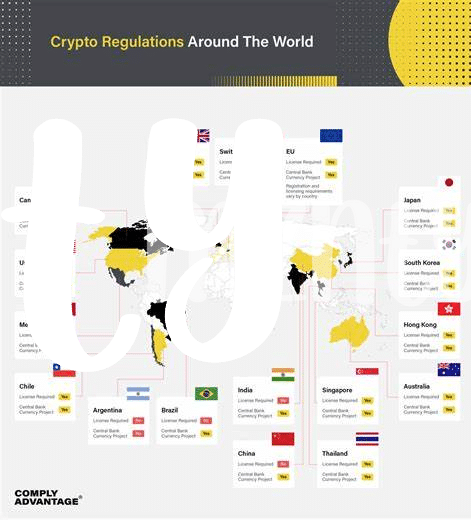

Turkmenistan crypto regulations are transforming the nation’s approach to the digital currency landscape, marking a significant shift towards embracing cryptocurrencies and their associated activities. On January 1, new laws emerged that legalized crypto mining and trading, reflecting a progressive move by the government under President Serdar Berdimuhamedow. With Central Asia witnessing a surge in digital asset interest, these regulations aim to diversify the Turkmenistan economy, which traditionally relies heavily on natural gas exports. By harnessing excess energy for crypto mining, Turkmenistan could follow its neighboring Kazakhstan’s successful example. Furthermore, the introduction of crypto exchange licensing in Turkmenistan seeks to establish a compliant framework for digital financial interactions, ensuring that proper measures are in place to monitor activities and uphold security protocols.

The recent legislative changes in Turkmenistan signify a pivotal moment for the country’s cryptocurrency landscape. By legalizing activities such as crypto trading and mining, Turkmenistan is positioning itself as a budding player within the Central Asian cryptocurrency market. This move aligns with global trends where nations are increasingly opening their economies to digital assets, enhancing their economic resilience. Additionally, the establishment of regulations around crypto exchange operations indicates a shift towards a more structured financial approach, allowing for improved foreign investment flows. As Turkmenistan navigates its newfound digital financial terrain, the implications for both local and international stakeholders are profound.
The Evolution of Cryptocurrency Regulations in Turkmenistan
Turkmenistan has recently taken significant steps to regulate its cryptocurrency market, allowing crypto exchanges and mining activities to operate legally. This transformation, set into motion by legislation signed by President Serdar Berdimuhamedow in late November, marks a pivotal shift for a nation historically cautious about adopting new technologies. The laws that took effect on January 1 position Turkmenistan as a potential player in the Central Asian cryptocurrency landscape, enabling individuals and businesses to engage in crypto mining and trading with regulatory oversight.
The implications of these regulations extend beyond mere legality; they open the door for Turkmenistan to diversify its economy. Traditionally reliant on natural gas exports, the ability to legally mine cryptocurrencies could provide a new revenue stream while utilizing the country’s abundant energy resources. This regulatory framework influences not only local entrepreneurs but also attracts interest from foreign players looking to enter the market, thus positioning Turkmenistan as a potential hub for crypto activity in Central Asia.
Impact of Crypto Mining on Turkmenistan’s Economy
The introduction of crypto mining laws signifies a strategic move by Turkmenistan to leverage its energy resources, potentially transforming its economic landscape. Excess energy, particularly from natural gas plants, can now be harnessed for cryptocurrency mining initiatives. As seen in neighboring Kazakhstan, which has become a popular destination for crypto miners following China’s crackdown, Turkmenistan might also ride this wave of crypto investment, boosting its economic diversification efforts.
Furthermore, as the Central Asian cryptocurrency scene evolves, Turkmenistan stands to benefit from increased foreign investments and partnerships in the digital asset sector. By encouraging crypto mining, the government aims to stimulate job creation, enhance technology transfers, and foster a more innovative economic environment. However, it remains crucial for the authorities to balance this growth with prudent regulations that mitigate potential risks associated with cryptocurrency volatility and market manipulation.
Crypto Trading Laws and Compliance in Turkmenistan
In addition to mining, the newly established laws regarding crypto trading are expected to create a structured environment for digital asset transactions in Turkmenistan. All crypto exchanges must now adhere to strict licensing requirements, including the implementation of Know-Your-Client (KYC) protocols and Anti-Money Laundering (AML) measures. This regulatory framework aims to protect both investors and the integrity of the financial system, ensuring that the crypto environment maintains a high level of security and transparency.
While the acknowledgment of crypto trading is a significant step forward, it is essential to note that the law clarifies that cryptocurrencies are not recognized as legal tender in Turkmenistan. This means that while crypto trading can be conducted legally, the digital currencies cannot be used for everyday transactions or as a substitute for the national currency. Consequently, this regulation might limit the rapid adoption of cryptocurrencies within the local market, as users still face constraints when considering digital assets for conventional monetary exchanges.
The Role of Crypto Exchanges in Turkmenistan’s Digital Economy
The establishment of regulated crypto exchanges is fundamental to the development of Turkmenistan’s digital economy. These platforms not only facilitate trading but also serve as critical points of liquidity for investors looking to enter the cryptocurrency market. By enforcing licensing requirements and operational protocols, the government aims to create a safe environment for individuals to trade and invest in cryptocurrencies, thus fostering greater participation in the digital economy.
However, the success of crypto exchanges in Turkmenistan will depend heavily on user adoption and confidence in these platforms. With the regulatory landscape still evolving, potential users may be hesitant to engage until they fully understand the implications of operating within a legally regulated framework. It will be essential for exchanges to build trust through transparent operations and robust security measures to attract both local and international traders.
Challenges for Cryptocurrency Adoption in Turkmenistan
Despite the regulatory advancements, several challenges may hinder the widespread adoption of cryptocurrency in Turkmenistan. The government’s heavy control over internet accessibility poses significant obstacles for prospective users and miners. Prohibitive measures on the internet can limit participation in global crypto markets, thereby affecting the nascent sector’s growth. Moreover, the lack of foreign investments and limited exposure to global cryptocurrency practices may restrict local entrepreneurs’ ability to innovate and compete.
Additionally, the strict governmental oversight of financial transactions can create an atmosphere of reluctance among potential users who may fear repercussions for engaging with digital assets. Without adequate public education and clear communication from authorities regarding the benefits and risks associated with cryptocurrencies, widespread adoption within the country may face significant hurdles.
Lessons from Kazakhstan: A Path for Turkmenistan’s Crypto Future
Kazakhstan’s journey towards becoming a central hub for cryptocurrency mining offers crucial lessons for Turkmenistan. After China’s ban on crypto mining, Kazakhstan capitalized on the influx of miners by providing favorable regulatory conditions, thus establishing itself as a leader in the sector. Observing Kazakhstan’s strategies, Turkmenistan can develop its own frameworks that could promote a growing crypto economy by mitigating regulatory risks while boosting investor confidence.
Moreover, the proactive stance taken by Kazakhstan towards integrating cryptocurrency into its economy could inspire similar measures in Turkmenistan. By creating an enabling environment with competitive policies for crypto exchanges and miners, Turkmenistan could attract international investment and expertise, fostering a vibrant crypto community that could serve as a catalyst for broader economic growth beyond energy exports.
Regional Crypto Trends: Central Asia’s Increasing Interest
The interest in cryptocurrencies across Central Asia is on the rise, with neighboring countries making significant strides in regulatory frameworks. For instance, alongside Kazakhstan’s booming Bitcoin mining sector, countries like Uzbekistan have been exploring crypto regulations to attract foreign investments and enhance their technological capabilities. Turkmenistan’s recent regulatory changes situate it within this growing regional trend, potentially positioning it as an attractive alternative for crypto businesses.
This increasing interest reflects a broader acknowledgment of the potential economic benefits that cryptocurrencies can bring. As market dynamics evolve, nations within Central Asia are vying to establish themselves as leaders in the crypto space, a movement that could lead to enhanced cooperation in the sector. By aligning its regulations with regional best practices, Turkmenistan can further bolster its position in this emerging market.
International Perspectives on Turkmenistan’s Crypto Regulations
As Turkmenistan embarks on its journey towards embracing cryptocurrencies, international perspectives on its regulatory framework will play a crucial role in determining the market’s success. The global community is closely observing how newly enacted laws are operationalized, particularly regarding compliance with international standards such as KYC and AML rules. Timely adaptation to these global standards will not only enhance credibility but also attract international partners seeking to engage with Turkmenistan’s emerging crypto landscape.
Moreover, Turkmenistan can learn from the experiences of other nations that have navigated the complexities of integrating cryptocurrencies into their economies. By adopting best practices and complying with international norms, Turkmenistan can ensure the sustainability of its growing crypto sector while mitigating risks associated with digital finance. This strategy will solidify its position as a worthy participant in the global cryptocurrency movement.
Future Outlook: Cryptocurrency’s Role in Turkmenistan’s Development
The future outlook for cryptocurrency in Turkmenistan appears promising, particularly if the government continues to refine its policies and regulations. With laws now in place that support crypto mining and trading, the foundation is set for a robust industry to emerge. Continued emphasis on compliance and secure transactions will be key to encouraging both local and international investors to engage with the sector, potentially leading to a transformative impact on the economy.
Moreover, as more citizens become aware of the benefits of cryptocurrencies, the potential for growth escalates. Ideally, a thriving crypto sector will complement Turkmenistan’s traditional economic pillars, allowing for diversification and innovation. By capitalizing on the energy surplus for crypto mining and establishing transparent trading platforms, Turkmenistan could enhance its economic resilience and attract new investments, paving the way for sustainable development in the coming years.
Frequently Asked Questions
What are the latest Turkmenistan crypto regulations for mining and trading?
As of January 1, 2023, Turkmenistan has legalized crypto mining and trading through new regulations signed by President Serdar Berdimuhamedow. These laws allow both residents and non-residents to mine cryptocurrencies in the country, promoting the use of excess energy and aiming to diversify the Turkmenistan economy.
How does crypto mining in Turkmenistan differ from other Central Asian countries?
Crypto mining in Turkmenistan is now officially permitted under new laws, which contrasts with the strict regulations imposed in the past. Unlike countries such as Kazakhstan, which have developed robust Bitcoin mining hubs, Turkmenistan is moving cautiously but offers opportunities for crypto miners to leverage the country’s excess energy resources.
What are the licensing requirements for crypto exchanges in Turkmenistan?
To operate legally, crypto exchanges in Turkmenistan must obtain licenses and implement Know-Your-Client (KYC) and Anti-Money Laundering (AML) protocols, as well as comply with specific cold storage requirements to protect digital assets.
Is cryptocurrency considered legal tender in Turkmenistan as per the new regulations?
No, cryptocurrency is not considered legal tender, currency, or a security within Turkmenistan, despite the recent laws facilitating crypto mining and trading. This means that while crypto activities are allowed, they do not have the same legal status as official currency.
What impact will the new crypto regulations have on Turkmenistan’s economy?
The introduction of crypto regulations is expected to help Turkmenistan diversify its economy by reducing reliance on natural gas exports. By utilizing excess energy for crypto mining and enabling crypto trading, these regulations could attract foreign investment and promote economic liberalization.
Can non-residents engage in crypto mining in Turkmenistan?
Yes, the new regulations permit non-residents to mine cryptocurrencies in Turkmenistan, provided they complete the necessary registration process. This development is significant as it opens up opportunities for international miners interested in leveraging the country’s energy resources.
What are the challenges facing crypto adoption in Turkmenistan?
Challenges to crypto adoption in Turkmenistan include the government’s strict controls over internet access, rigorous supervision of financial activities, and a historical reluctance towards foreign investment and liberalization of the economy.
How do the crypto regulations in Turkmenistan compare to those of neighboring Kazakhstan?
While Kazakhstan has emerged as a leading Bitcoin mining hub with more developed regulations, Turkmenistan is taking a more cautious approach. Turkmenistan’s recent legalization of crypto mining and exchanges is a step towards economic diversification, though it still lacks the extensive framework seen in Kazakhstan.
What should investors know about crypto trading laws in Turkmenistan?
Investors should be aware that while crypto trading is now legal, cryptocurrency is not recognized as legal tender in Turkmenistan. They must also ensure compliance with licensing requirements, KYC and AML protocols when engaging in trading activities within the country.
| Key Points | Details |
|---|---|
| Legalization of Crypto | New laws legalizing crypto exchanges and mining have been effective since January 1. |
| Presidential Approval | The law was signed by President Serdar Berdimuhamedow in late November. |
| Economic Diversification | These laws may help Turkmenistan diversify its economy beyond gas exports by utilizing excess energy for crypto mining. |
| Mining Regulations | Non-residents can mine after registration; mining pools are permitted. |
| Licensing Requirements | Crypto exchanges must obtain licenses and adhere to KYC and AML protocols. |
| Legal Status of Cryptocurrency | Cryptocurrency is not considered legal tender, currency, or security in Turkmenistan. |
| Regional Context | Countries like Kazakhstan and Pakistan are advancing in crypto, with the former becoming a mining hub post-China ban. |
| Potential Challenges | Adoption may be limited due to strict government controls on internet and financial activities. |
Summary
Turkmenistan crypto regulations have recently paved the way for the legalization of crypto exchanges and mining activities. The approval of these regulations marks a significant shift in the Central Asian nation’s approach to cryptocurrency, potentially boosting its economy by utilizing excess energy for mining. As Turkmenistan navigates this new landscape, the government aims to attract investment while facing the challenges of strict internet and financial regulations.