


Trump’s Tariff Warning on China Triggers 7% Bitcoin Plunge, Resulting in Significant Market Impact
In a surprising move that reverberated across global markets, former U.S. President Donald Trump’s recent tariff warning on China has led to a significant 7% plunge in Bitcoin value. This downturn reflects broader economic anxieties and underscores the volatile interplay between political actions and cryptocurrency markets.

The Catalyst: Trump’s Tariff Threat
The latest developments occurred when Trump hinted at the potential reimplementation of stringent trade tariffs on China, a tactic he frequently employed during his presidency. Trump’s administration had previously imposed significant tariffs on Chinese goods, aiming to balance the trade deficit and promote domestic industries. These tariffs led to a trade war that roiled global markets and caused economic disturbances in both countries.
The re-emergence of such a policy stance, even merely suggested, has reignited fears of another trade war, leading to widespread market uncertainties. Investors, already navigating a complex landscape due to ongoing global economic recoveries from the COVID-19 disruptions, have shown heightened sensitivity to such geopolitical tensions.
Bitcoin’s Sudden Plunge
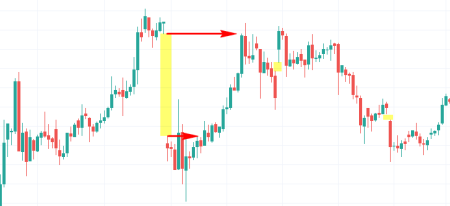
Bitcoin, often touted as a “digital gold” and a hedge against traditional financial market fluctuations, ironically suffered one of the quickest reactions to the news. The cryptocurrency fell by approximately 7%, a significant drop contributing to a downward trend observed across several days. This sharp decline wiped out nearly billion in market value, sending shockwaves through the investor community that heavily trades and speculates on this digital currency.
Analysts have pointed out that Bitcoin’s reaction underscores its increasing correlation with mainstream financial markets, a maturation of the cryptocurrency arena but also a sign of its vulnerability to global economic shifts. The dip was not isolated, as other cryptocurrencies like Ethereum, Ripple, and Litecoin also experienced downturns, hinting at a broader sentiment of risk aversion among digital asset investors.
Market Reactions and Future Outlook
The immediate reaction to Trump’s tariff warning was not limited to cryptocurrencies. Traditional markets also showed signs of stress, with stock indices in the U.S., Europe, and Asia reflecting investor unease. Commodities, including oil and gold, saw fluctuating prices as market participants reassessed their positions in light of potential geopolitical upheaval.
Economists and market strategists are now closely monitoring the situation, considering various potential outcomes. If another U.S.-China trade war materializes, we might expect extended periods of market volatility, affecting not only cryptocurrencies but also broader financial sectors. Conversely, should the situation de-escalate, markets might regain some of their lost ground.
For Bitcoin and other cryptocurrencies, this incident serves as a reminder of their still-evolving nature and intricate connection to global economic factors. Investors might need to recalibrate their understanding of cryptocurrencies as purely alternative assets and recognize their susceptibility to geopolitical and economic pressures.
Conclusion
While Trump’s tariff threat is still in the realm of speculation, its immediate impact on Bitcoin and broader markets highlights the fragile interdependence between political developments and financial ecosystems. As investors and policymakers alike navigate these choppy waters, the coming weeks will be crucial in shaping the economic landscape, potentially dictating the trajectory for Bitcoin and other financial assets in an increasingly interconnected world economy.