


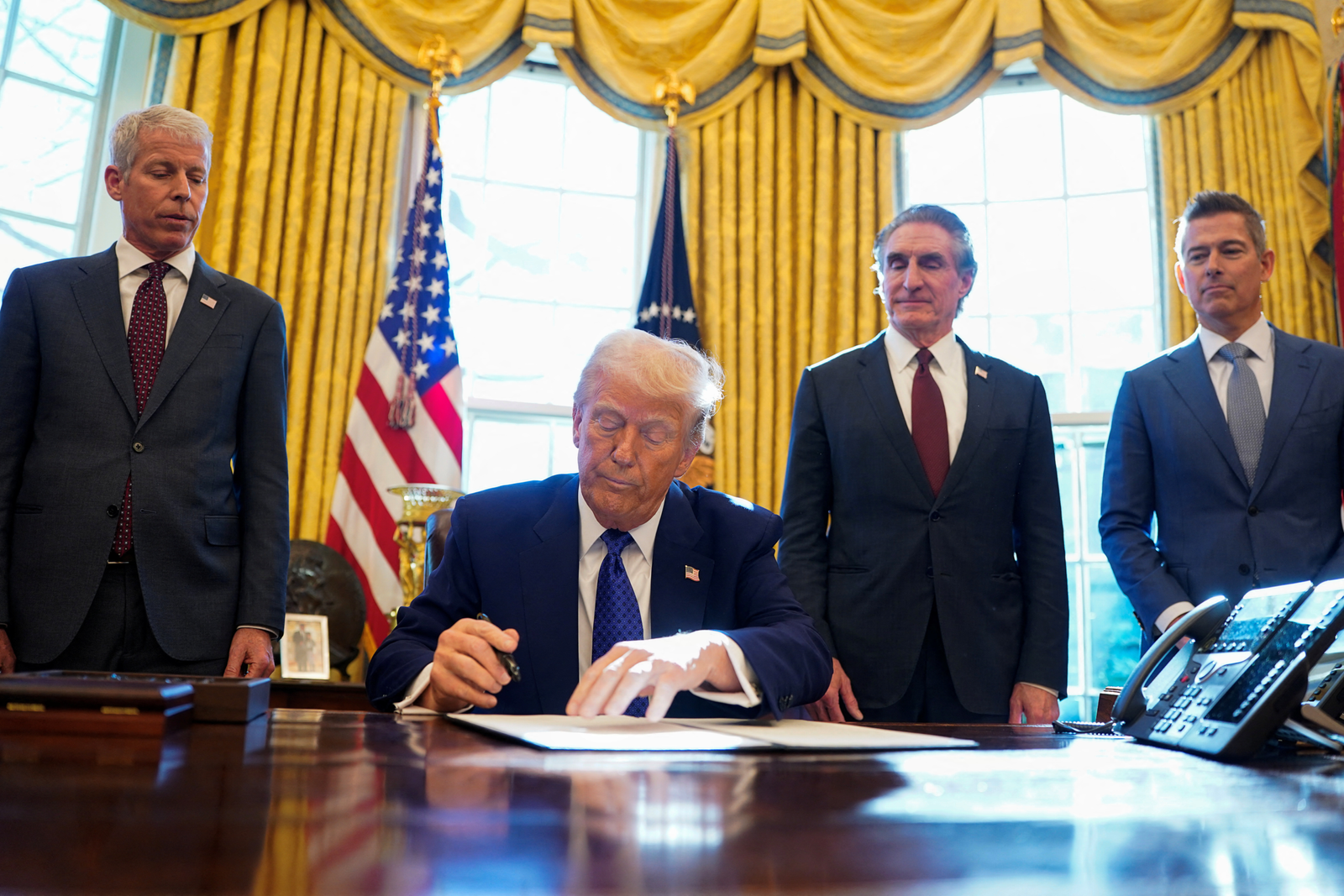

Trump’s regulatory measures have significantly reshaped the landscape of financial governance since his administration. Following the aftermath of the 2008 financial crisis, regulations were implemented to safeguard financial stability and prevent a similar disaster. However, recent reports indicate that Trump’s allies are actively dismantling these crucial protections, stirring fears of renewed vulnerabilities in the banking sector. Economists like Paul Krugman caution that without robust bank regulations, the risk to our financial system could heighten, particularly with the budding cryptocurrency market. As Trump continues to advocate for policies favoring the cryptocurrency industry, experts worry about the shadows of systemic risk lurking beneath these changes.

The regulatory framework introduced during the post-2008 era was designed to establish safeguards against potential economic disruptions. However, the recent shifts brought about by Trump’s administration suggest a pivot towards more relaxed oversight, raising concerns among economists and financial analysts alike. By weakening adherence to established bank regulations, there is a tangible risk that the financial system could mirror the frailties seen during previous crises. Furthermore, the enthusiasm surrounding digital currencies invites a broader discussion on how these innovations can coexist with necessary financial safeguards. As we explore the implications of these developments, it is essential to recognize the interconnectedness of regulation, economic stability, and the future of emerging financial technologies.
The Importance of Regulatory Measures for Financial Stability
Regulatory measures play a crucial role in maintaining financial stability by establishing a framework that mitigates risks within the banking system. Following the 2008 financial crisis, these regulations were designed to prevent reckless behavior among financial institutions, ensuring that they remain solvent and capable of weathering economic downturns. Such measures include stricter capital requirements, enhanced scrutiny of risk management practices, and transparency mandates that compel banks to disclose their financial health accurately. As put forth by economists like Paul Krugman, these regulations are essential to avoid the kind of excessive risk-taking that can lead to systemic failures in our financial systems.
Dismantling these regulations, as advocated by allies of Trump, poses a significant threat to the financial landscape. Historically, periods of lenient regulation have led to market instability and the eventual need for bailouts, as witnessed during the 2008 crisis. Therefore, the rollback of these protective measures could bring unforeseen vulnerabilities to the market, reminiscent of past financial crises. Additionally, maintaining robust regulations enables a more predictable environment for both consumers and investors, which is vital for encouraging economic growth and protecting the stability of our banking institutions.
Trump’s Regulatory Measures and Their Implications
Trump’s regulatory measures are drawing criticism for potentially destabilizing the financial sector. Specifically, suggestions from his appointees, like Federal Reserve Governor Bowman, to relax capital requirements for banks might increase short-term profitability but at the cost of long-term financial health. With lower capital reserves, banks may engage in riskier lending practices, ultimately heightening the likelihood of default during economic downturns. This could echo the pre-2008 era, where lax regulations led to a proliferation of risky mortgage loans and, consequently, the financial collapse.
Furthermore, the support for measures like the GENIUS Act, which facilitates the growth of cryptocurrency and stablecoins within a largely unregulated environment, raises alarms among economists. Krugman indicates that without sufficient regulatory frameworks, entities like Tether are prone to operational vulnerabilities that might trigger another financial crisis. The unregulated nature of cryptocurrencies could introduce new forms of systemic risk reminiscent of historical banking failures, underscoring the urgent need for comprehensive regulations to ensure the resilience of the financial system.
Exploring Cryptocurrency Risks in Current Regulatory Frameworks
The rise of cryptocurrencies has sparked both innovation and concern regarding financial stability, particularly when viewed through the lens of existing regulatory frameworks. While the technology behind cryptocurrencies supports decentralization, which can enhance access to financial services, the lack of oversight poses risks that regulators must address. The involvement of Trump’s administration in supporting the burgeoning cryptocurrency market raises questions about the adequacy of current regulations to prevent speculative bubbles or provide safeguards against fraud and volatility in digital currencies.
As anticipated by experts, including Paul Krugman, the challenge lies in balancing innovation with adequate consumer protections. Without proper regulations, cryptocurrency markets can fluctuate wildly, leading to substantial losses for investors and undermining trust in the financial system. Moreover, much like the 2008 crisis highlighted vulnerabilities in bank regulations, the current environment necessitates a reflective evaluation of how cryptocurrency transactions could engender systemic risks comparable to those seen in previous financial upheavals. Thus, more stringent regulations are imperative to protect consumers and maintain stability.
Lessons from the 2008 Financial Crisis for Today’s Regulations
The 2008 financial crisis serves as a stark reminder of the catastrophic consequences that can arise from insufficient financial regulation. The failure to adequately regulate financial markets and the banking sector not only precipitated a global recession but also highlighted the interconnectedness of banking practices and economic health. As policymakers, including Trump’s allies, advocate for deregulation, it is vital to reflect on these lessons to avoid repeating history. The rollback of regulations designed to prevent excessive risk-taking could lead to a similar economic downturn.
Crucially, the lessons learned from the 2008 crisis underscore the necessity for a strong regulatory framework that promotes transparency, accountability, and risk management within financial institutions. Effective bank regulations are not merely bureaucratic red tape; they are essential for instilling confidence among consumers and investors alike. By fostering a stable financial environment, we can ensure that the economy can withstand shocks and maintain growth, which is particularly important in a rapidly evolving financial landscape where new threats, such as those posed by cryptocurrencies, emerge.
Evaluating the Shift in Bank Regulations
The recent shift in bank regulations pushed by Trump’s administration raises significant concerns for the financial industry. By advocating for the loosening of capital requirements, Trump’s allies are prioritizing short-term gains over the long-term stability of financial institutions. This approach could lead to an environment similar to that which existed prior to the 2008 crisis, where a lack of oversight fostered excessive risk-taking. Economists like Krugman warn that historical precedents should inform today’s regulatory strategies, emphasizing the need for vigilance to guard against potential financial crises.
Moreover, weakening bank regulations could hamper the ability of regulatory bodies, like the Federal Reserve, to effectively monitor financial health and systemic risks. Maintaining rigorous oversight is essential to ensure banks remain resilient during economic turbulence. The responsibility of regulators has never been more crucial, as the global financial landscape continues to evolve with emerging technologies and products. The return to a more laissez-faire approach would not only erode protections established post-crisis but could also set the stage for another disastrous financial debacle.
The Role of the Federal Reserve in Modern Banking
The Federal Reserve plays a central role in ensuring the stability of the U.S. financial system, making it imperative to consider how recent regulatory changes impact its effectiveness. As the primary guardian of monetary policy and bank oversight, the Fed’s actions influence everything from interest rates to capital requirements for banks. Under Trump’s administration, there is an apparent shift towards deregulation that could undermine the Fed’s ability to fulfill its mandates, increasing systemic risks across the banking sector.
Moreover, the Fed’s capacity to respond to financial crises depends on a robust understanding of the risks facing financial institutions. As regulations are relaxed, the Fed may struggle to identify and mitigate potential threats before they escalate into crises. The cautious approach historically adopted by the Fed was pivotal in navigating the aftereffects of the 2008 crisis, but significant deregulation could challenge its future effectiveness. Thus, it is crucial to advocate for strong regulatory measures that empower the Federal Reserve to maintain stability in an ever-complex financial landscape.
The Dangers of Unregulated Financial Innovation
Unregulated financial innovation, particularly in the cryptocurrency space, presents significant dangers to the financial system’s integrity. While technological advancements can foster economic growth, without appropriate safeguards, they can lead to excessive speculation and operational risks. The cryptocurrency market, characterized by its volatility and lack of oversight, serves as a case in point. Advocacy for deregulation in this sector, as noted by Krugman, risks echoing the mistakes made before the 2008 financial crisis, where insufficient regulation allowed for the proliferation of risky financial products.
As financial technologies evolve, it becomes imperative for regulators to keep pace with innovations while ensuring consumer protection and market stability. Striking this balance is the key to harnessing the potential benefits of new financial products while mitigating the inherent risks. Comprehensive regulations that incorporate lessons learned from past financial upheavals will be crucial in safeguarding the future of the financial industry from the unforeseen consequences of unchecked innovation.
The Intersection of Politics and Financial Regulations
The intersection of politics and financial regulations influences how policies are developed and enacted within the financial sector. Trump’s allies’ current focus on dismantling key regulations brings to light the intricate relationship between political agendas and economic stability. Policymakers must consider the long-term implications of deregulation not just for the economy but also for public trust in the financial system. Inadequately regulated markets can lead to eroded confidence, increased volatility, and potential crises that affect millions of citizens.
Moreover, political motivations can skew the perception of what constitutes effective financial oversight. As bank profits surge in the short term due to relaxed regulations, the potential risks lurking beneath the surface, such as those associated with unstable cryptocurrencies or lax lending practices, may be overlooked. Therefore, discussions around bank regulations should prioritize economic sustainability and risk management over political gain. Ultimately, forging a path that integrates sound economic principles into the political sphere is vital to ensure a secure financial future.
Future Prospects of Banking and Regulation in America
Looking ahead, the future of banking and regulation in America faces significant uncertainty, particularly amidst the current political landscape. As deregulation efforts gain momentum under Trump’s administration, the potential for increased financial instability looms large. Key regulatory bodies must emphasize the importance of maintaining stringent oversight to protect the economy from unwanted shocks, as previous crises have demonstrated the dire consequences of neglecting these responsibilities. A prudent approach to regulation will help facilitate innovation while establishing a framework that ensures consumer protections and systemic risk management.
As the financial environment evolves with the emergence of new technologies and financial products, regulators must remain vigilant and adaptable. The challenge lies not only in preventing a repeat of past mistakes but also in addressing novel threats posed by advancements like cryptocurrencies. A future-driven regulatory framework that prioritizes both innovation and stability is essential for safeguarding America’s financial future, particularly as we navigate through uncharted territories shaped by digital finance.
Frequently Asked Questions
How are Trump’s regulatory measures affecting financial stability?
Trump’s regulatory measures are currently undermining financial stability by dismantling the safeguards established post-2008 financial crisis. His administration’s approach, particularly through the weakening of bank regulations, raises concerns about a potential return to the reckless financial practices that led to the 2008 crisis.
What changes are being made to bank regulations under Trump’s administration?
Under Trump’s administration, significant changes are being made to bank regulations, primarily aimed at loosening capital requirements. This strategy, advocated by Federal Reserve Governor Bowman, may temporarily boost profits but increases the risk of another financial crisis, highlighting concerns over long-term stability.
What did Paul Krugman say about Trump’s allies and regulatory measures?
Paul Krugman warned that Trump’s allies are actively dismantling crucial regulatory measures that were established to maintain financial stability after the 2008 financial crisis. He emphasizes that this trend could lead to dangerous financial practices reminiscent of the pre-crisis era.
How does Trump’s support for cryptocurrency relate to financial regulation?
Trump’s support for the cryptocurrency industry, specifically through initiatives like the ‘GENIUS Act’, raises concerns regarding financial regulation. While promoting the development of stablecoins, this lack of stringent oversight could result in systemic risks, similar to those encountered during the 19th century with private banking.
What implications do loosening bank regulations have for future financial crises?
Loosening bank regulations, as encouraged by Trump’s allies, may enhance short-term profitability for banks but significantly increase the likelihood of future financial crises. This regression in regulatory measures could pave the way for economic instability similar to what occurred during the 2008 financial crisis.
Are cryptocurrency risks being adequately addressed under Trump’s regulatory approach?
No, cryptocurrency risks are not being adequately addressed under Trump’s regulatory approach. By promoting unregulated stablecoins and easing regulations, the administration may inadvertently set the stage for systemic financial risks, echoing the warnings voiced by economists like Paul Krugman.
What are the potential consequences of dismantling 2008 financial crisis regulations?
Dismantling regulations established after the 2008 financial crisis could lead to increased financial instability, riskier banking practices, and ultimately, a potential new crisis. Experts argue that such a regression threatens the progress made in safeguarding the financial system.
| Key Point | Details |
|---|---|
| Dismantling Regulatory Measures | Trump’s allies are undermining the regulations set after the 2008 financial crisis. |
| Impact on Financial Stability | Paul Krugman warns that these actions may lead to instability similar to that of 2008. |
| Weakening Bank Regulations | Actions include lowering capital requirements for banks, enhancing short-term profits but increasing crisis risk. |
| Support for Cryptocurrency | The administration backs the |
| GENIUS Act | Promotes the development of stablecoins, raising systemic risks due to lack of regulation. |
Summary
Trump’s regulatory measures are facing significant challenges as his allies work to dismantle crucial regulations that protect financial stability. As warned by economist Paul Krugman, the rollback of these measures could invite a new financial crisis reminiscent of the troubles faced in 2008. By weakening bank regulations and supporting volatile sectors like cryptocurrencies without sufficient oversight, Trump’s Administration puts the economy at risk, highlighting the urgent need for robust financial governance.
Related: More from Regulation & Policy | Anthropic Founder Critiques Pentagons Choice as Unprecedented in Crypto Regulation | UK Gambling Regulator Examines Cryptocurrencies for Licensed Bettors in Crypto Regulation