
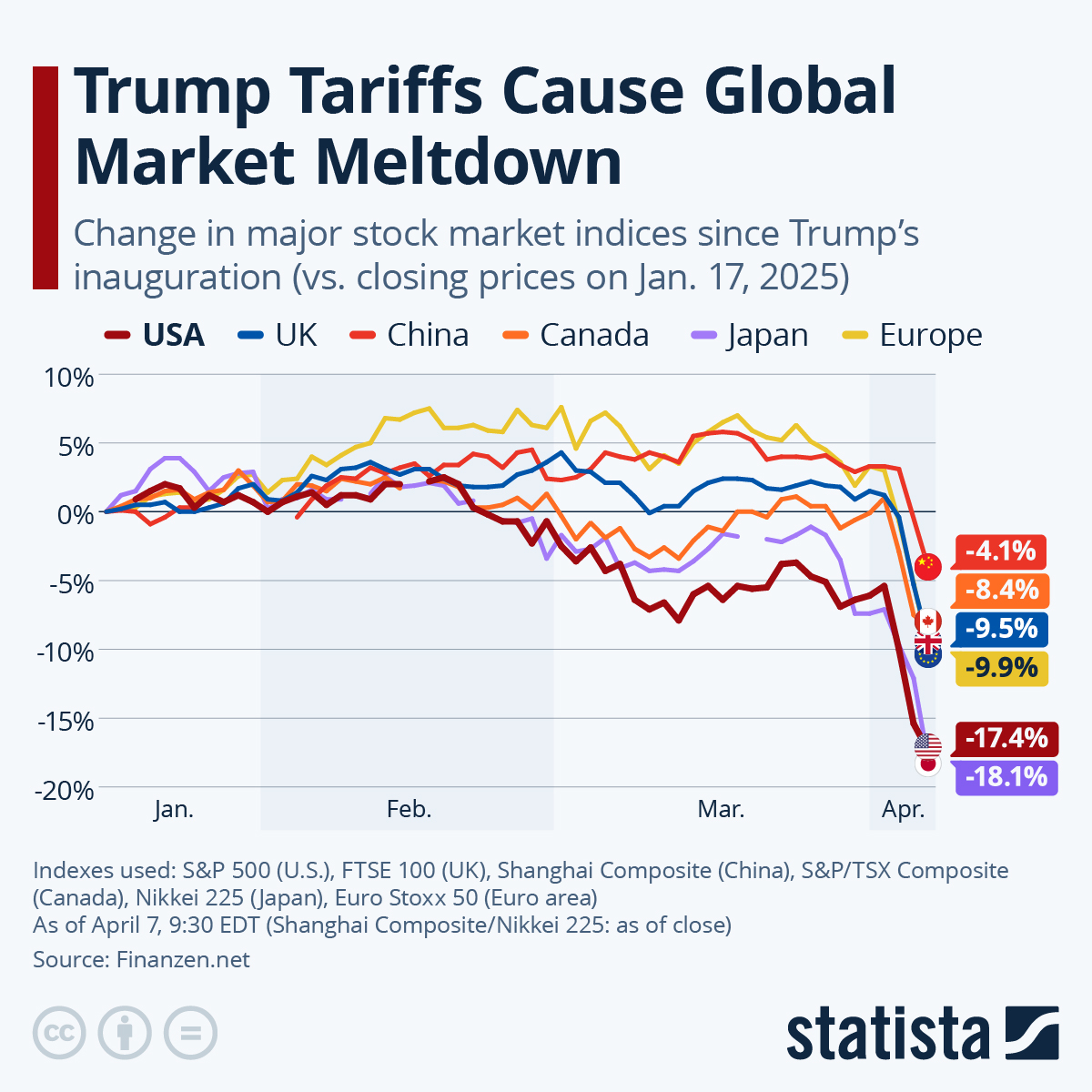

Trump’s impact on European investors has become a pressing topic as his contentious policies and rhetoric raise concerns among Wall Street and the financial community. Historically, a significant portion of European investors has directed capital into U.S. stocks, fueling their portfolios and influencing market trends. However, the unpredictable nature of Trump’s administration and potential tariffs on investments threaten to alter this long-standing relationship. As European investors look to develop a diversification strategy amidst rising risks, the sentiment towards U.S. equities appears to be shifting. Recent reports indicate that many clients are increasingly exploring options to mitigate exposure to U.S. markets, raising alarms about the future of transatlantic investment flows.
The ongoing tension surrounding Trump’s policies is prompting a critical reassessment among European financiers regarding their investment strategies in the United States. With escalating trade wars implications and a turbulent political climate, the financial decisions made today may shape the dynamics of foreign investment moving forward. Many asset managers are now prioritizing risk management, as the allure of American stocks comes under scrutiny given potential tariffs and regulatory shifts. As discussions about reallocating investments grow louder, the focus is shifting to broader diversification approaches that span various geographical markets. This trend reflects a broader concern about how international relations can directly impact financial commitments and investment growth.
| Key Point | Details |
|---|---|
| Trump’s softened tone towards Europe | Despite Trump easing his rhetoric, Wall Street is worried about his past hostility affecting European investors’ behavior. |
| Concerns for U.S. stock market | European Investor’s concerns could lead to a potential decrease in buying U.S. stocks. |
| Trend of risk diversification | Vincent Mortier of Amundi indicates a growing trend where European clients are diversifying away from U.S. equities. |
| Investment implications | European investors hold over $10 trillion in U.S. stocks; proposed tariffs may threaten this investment. |
| Market share of European investors | European holdings account for 49% of total foreign ownership of U.S. stocks, highlighting their significant influence. |
| Client and fund manager actions | Inquiries from European fund managers about reducing U.S. asset holdings are increasing due to political tensions. |
Summary
Trump’s impact on European investors is becoming increasingly pronounced as tensions and threats may drive many to reconsider their investments in U.S. equities. While the tone might have softened, the underlying market concerns remain. European asset managers are observing a shift towards diversification, which could lead to significant changes in how European capital is allocated in the face of uncertainties posed by Trump’s policies. With European investors holding a substantial stake in U.S. stocks, any significant pullback could impact both sides of the Atlantic, making it a crucial topic for investors and policymakers alike.
Trump’s Impact on European Investors
The recent shifts in political rhetoric and trade policies under the Trump administration have created waves of uncertainty for European investors. As the CEO of Amundi noted, many investors are now actively seeking to diversify their portfolios, signaling a clear response to the perceived risks associated with U.S. stocks. With such a substantial amount of European capital—about $10.4 trillion—invested in U.S. markets, any signs of discontent or unpredictability can lead to significant adjustments in investment strategies from this major group of investors.
Moreover, the proposed tariffs on investments have added another layer of complexity to the decision-making process for European investors. As Trump continues to express hostility towards Europe, the potential for these tariffs to strain financial relations grows. Many fund managers report an increase in inquiries from clients eager to understand how U.S. stocks might be influenced by these developments, highlighting a trend of caution that could alter Europe’s investment landscape.
Frequently Asked Questions
What is Trump’s impact on European investors in U.S. stocks?
Trump’s impact on European investors has been significant, primarily due to his political stance and proposed tariffs. Concerns about hostility towards Europe have prompted some investors to explore diversification strategies, seeking to reduce exposure in U.S. stocks amidst fears of market volatility.
How have tariffs on investments affected European investors in the U.S. market?
Trump’s proposed tariffs on investments could deter European investors from maintaining or increasing their holdings in U.S. stocks. These concerns have led to inquiries among asset managers in Europe about risk diversification, potentially altering market trends for European investors.
What trends are emerging among European investors regarding U.S. stocks?
Recent trends indicate that European investors are increasingly seeking to diversify their portfolios away from U.S. stocks. This shift has been highlighted by the growing number of clients asking asset managers about reducing their U.S. holdings due to the unpredictability associated with Trump’s rhetoric and policies.
How much do European investors hold in U.S. stocks?
European investors hold approximately $10.4 trillion in U.S. stocks, representing nearly half of total foreign holdings. This substantial investment underscores the importance of understanding Trump’s impact on market dynamics and how it may influence their investment strategies.
What diversification strategies are European investors considering due to Trump’s policies?
Given the current political climate and Trump’s policies, European investors are considering diversification strategies that may include reallocating their investments into non-U.S. equities or alternative assets. This approach aims to mitigate risk associated with potential decoupling from U.S. market trends.
Can Trump’s actions lead to a sell-off of U.S. assets by European investors?
While a coordinated sell-off of U.S. assets by European investors is unlikely, ongoing concerns fueled by Trump’s criticisms may drive individual investment decisions to reduce exposure in U.S. stocks. Investors are closely monitoring market trends to inform their strategies.
What role do market trends play in European investors’ decision-making amid Trump’s impact?
Market trends are crucial in influencing European investors’ decisions, especially as they assess the potential long-term effects of Trump’s impact on U.S. stocks. With shifting sentiments, investors are weighing their options for diversification and risk management to address the evolving landscape.
How does Trump’s impact on U.S. stocks affect European investment portfolios?
Trump’s impact on U.S. stocks is reshaping European investment portfolios by prompting fund managers to consider the implications of political relations. This has led to a careful reevaluation of U.S. stock holdings as investors seek to enhance their risk-adjusted returns.
Related: More from Market Analysis | WLFI Price Predicted: World Liberty Financial Proposes Governance Overhaul | XLM Bounces But Bears Control

