


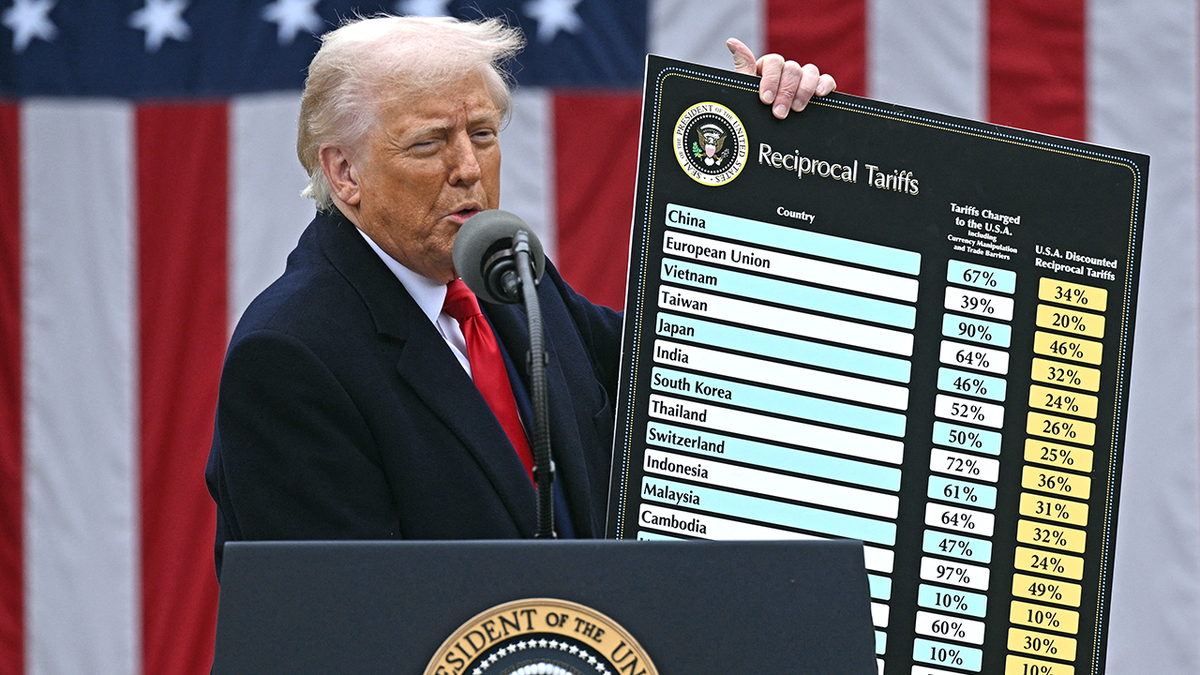

Trump tariffs have become a defining aspect of his administration’s economic strategy, aiming to reshape international trade dynamics. Under the umbrella of U.S. tariffs, these import tariffs have generated significant revenue, reportedly yielding hundreds of billions for the government. However, the impact of these tariffs on the economy and consumers remains a topic of heated debate. Critics argue that while tariff policies are intended to bolster national security and protect American jobs, they may lead to increased prices for consumers and disruption in global supply chains. As we delve deeper into the effects and implications of these tariffs, it is essential to understand their long-term consequences on both domestic and international levels.

The recent trade measures imposed by the Trump administration, often referred to as protective tariffs, represent a pivotal shift in America’s approach to international commerce. These measures are designed not only to safeguard U.S. industries but also to assert economic sovereignty in a globalized market. The financial benefits from these fees on imported goods have sparked discussions around their influence on national economic strategies and security policies. Furthermore, the complexities surrounding the timing and implementation of these tariffs can significantly affect both businesses and consumers alike. Navigating the nuances of these trade regulations is crucial for understanding their broader implications.
Understanding Trump Tariffs and Their Economic Impact
Trump tariffs, initiated during President Donald Trump’s administration, have significantly transformed the landscape of U.S. trade. These import tariffs aimed primarily at China and other nations were designed to protect American businesses and jobs, ensuring that the domestic market remains competitive. However, the overall impact of these tariffs on the economy has been a subject of much debate. While the U.S. has seen an increase in revenue from these tariff policies, the broader economic implications, including inflation and consumer prices, are becoming more apparent.
The immediate effects of Trump tariffs have sparked major shifts in purchasing behavior among consumers and businesses alike. Many importers began stocking up on goods to evade tariffs, leading to an artificial buildup of inventory. As this excess starts to wane, companies will face the reality of increased costs due to tariffs. This dynamic not only affects retail pricing but also raises concerns about economic stability and potential supply shortages, highlighting the complexity of trade relationships and tariffs.
The Long-term Effects of U.S. Tariffs on Global Trade
The long-term effects of U.S. tariffs, particularly under the Trump administration, may lead to significant shifts in global trade dynamics. As countries respond to U.S. tariff policies, we could see changes in import practices and trade agreements, which may either foster new partnerships or strain existing ones. The complexity of these international relationships can impact everything from job growth to national security, as countries reassess their dependencies on U.S. goods and services.
Furthermore, while the tariffs have generated substantial revenue for the U.S. government, the potential for retaliatory measures from other nations could also complicate the trade landscape. If other countries impose their own tariffs in response, the global supply chain could be further disrupted, leading to higher prices for consumers and businesses alike. This interconnectedness underlines the importance of balancing tariff policies with diplomacy to foster a stable trading environment.
Assessing Tariff Policies and Their Effectiveness
When evaluating the effectiveness of current tariff policies, there are multiple factors to consider. While Trump tariffs aimed to curtail imports and bolster domestic production, the resultant economic pressures have raised questions about sustainability. The tariffs have generated a significant revenue inflow, yet businesses are now grappling with elevated costs and their implications for pricing strategies. An in-depth analysis of the economic fundamentals is crucial to determining whether these policies will yield the desired outcomes in the long term.
Moreover, the assessment of tariff policies should include an examination of their broader implications on national security. The rationale for Trump tariffs was to protect not only the economy but also critical industries that are vital to national defense. This intersection of trade and security calls for a comprehensive understanding of how tariffs can support U.S. strategic interests while still fostering a healthy economic environment. Future tariff adjustments may need to reflect this dual focus for optimal effectiveness.
The Role of National Security in Tariff Implementation
National security plays a crucial role in shaping tariff implementations, especially under the Trump administration. Tariffs are not only economic tools but also instruments of national policy aimed at safeguarding essential industries. By levying tariffs on imports deemed detrimental to national interests, the U.S. can protect sensitive sectors such as technology and defense from foreign dominance. This underscores the policy’s intention to bolster U.S. sovereignty while promoting economic resilience.
However, the intertwining of tariff policy and national security raises important questions about how to balance economic growth with protective measures. Excessive tariffs might lead to trade wars that could ultimately undermine the very industries they aim to protect. An effective approach will therefore require careful analysis and potential recalibrations of tariff levels to ensure they enhance security without stifling economic innovation and competitiveness.
Consumer Behavior Changes Due to Tariff Policies
The implementation of Trump tariffs has profoundly influenced consumer behavior across the United States. As consumers anticipated price hikes due to increased import tariffs, many initiated inventory hoarding, purchasing significantly more than their immediate needs. This rush to stock up was initially seen as a strategic maneuver to avoid future costs; however, as inventory levels reach a natural depletion, the impending rise in product prices due to tariffs becomes a pressing reality.
Such behavioral shifts highlight the close relationship between tariff policies and consumer economics. As buyers adjust to the economic landscape shaped by tariffs, businesses may need to adapt their pricing strategies and marketing approaches to retain customer loyalty during this transitional period. Understanding these behavioral changes is critical for companies navigating the complexities of a tariff-impacted market.
Future Implications of Tariffs on U.S. Economy
The future implications of tariffs on the U.S. economy remain uncertain as businesses, consumers, and policymakers navigate the evolving trade environment. As initial stockpiles of goods diminish, the anticipated increase in tariff costs poses a significant challenge for many sectors. Businesses that have relied on low-cost imports may struggle to adjust to higher prices, which could lead to inflationary pressures that affect consumer spending.
Moving forward, it will be essential to assess how long these tariff impacts will linger. Rapid adaptations in trade policies and supply chains are vital for mitigating negative economic repercussions. Understanding the interplay between tariffs, consumer behavior, and overall economic stability will be instrumental in shaping future trade policies that benefit U.S. industries while maintaining competitiveness in the global market.
The Debate Surrounding Import Tariffs and Economic Growth
Import tariffs have long been a contentious topic in economic discussions, especially with the implementation of Trump tariffs. Advocates assert that tariffs are necessary for protecting domestic jobs and industries from unfair foreign competition, arguing that they stimulate local production and reduce trade deficits. Critics, on the other hand, fear that these tariffs may hinder economic growth by increasing consumer prices and instigating retaliatory tariffs from other countries.
The debate centers not just on economic outcomes but also on the broader implications for trade relationships. As nations reassess their trade dependencies and retaliate against U.S. tariffs, the resultant trade friction could lead to a more fragmented global trade environment. This highlights the complexities of today’s interconnected economies, suggesting that policymakers must approach tariff policies with caution, balancing protective measures with the potential for fostering global trade partnerships.
Balancing Trade Agreements with Tariff Policies
Balancing trade agreements with tariff policies is a vital aspect of contemporary trade economics. The introduction of tariffs under the Trump administration has prompted a reevaluation of existing trade agreements. Striking a balance between maintaining beneficial trade partnerships and implementing tariffs aimed at protecting the domestic economy remains a delicate task. Policymakers must assess the potential impacts of tariffs on these agreements to avoid punitive measures that could lead to widespread economic ramifications.
As the U.S. navigates complex trade relationships, the integration of tariffs with strategic trade agreements will be crucial in ensuring mutual economic benefit. These agreements can often mitigate the adverse effects of tariffs by setting frameworks that foster cooperation while promoting fair trade practices. Moving forward, it’s essential for the U.S. to articulate a clear trade vision that upholds both national interests and international partnerships.
Evaluating the Effectiveness of Tariff Policies in the Biden Administration
As the Biden administration takes a different approach to trade, evaluating the effectiveness of Trump tariffs become increasingly relevant. Assessing their economic impact provides critical insights for future policy initiatives. The current administration is tasked with addressing the lingering effects of tariffs on consumers and industries, and their economic strategies may involve either reinforcing or modifying existing tariff structures to better align with current economic realities.
Furthermore, the Biden administration’s approach to tariffs may pivot towards fostering more collaborative international relationships. By learning from the outcomes of previous tariff policies, the U.S. is in a position to craft a more nuanced strategy that balances economic protectionism with the benefits of global trade. This evolution in tariff policies could potentially enhance both U.S. competitiveness and international partnerships in future trade negotiations.
Frequently Asked Questions
What are Trump’s tariffs and how do they impact the U.S. economy?
Trump’s tariffs, imposed on goods entering the United States, are designed to protect domestic industries by making imported goods more expensive. The impact of these U.S. tariffs has led to increased revenue for the government; however, they also result in higher prices for consumers and potential supply chain disruptions.
How do import tariffs under Trump’s administration affect everyday consumers?
Import tariffs implemented during Trump’s presidency often result in higher prices for everyday goods, as retailers pass on the costs to consumers. This means that items like electronics and apparel may become more expensive, impacting consumer spending patterns.
What are the long-term effects of Trump’s tariff policies on national security?
Trump’s tariff policies are argued to strengthen national security by reducing dependency on foreign goods. By encouraging domestic manufacturing through increased import tariffs, the administration aims to create a more self-reliant economy, potentially safeguarding vital industries crucial for national defense.
Why did Trump impose tariffs, and what was the intended economic benefit?
Trump imposed tariffs to protect U.S. industries from foreign competition, particularly from countries like China. The intended economic benefit was to generate revenue through tariffs and stimulate job growth in the U.S. by making domestic products more competitive.
What is the expected timeline for the effects of Trump’s tariffs to be fully realized?
According to Trump, the full impact of his tariffs will take time to materialize as businesses adjust their purchasing strategies. As inventories deplete, the tariffs are expected to have a more pronounced effect, leading to significant revenue for the U.S. government in the near future.
What industries are most affected by Trump’s tariff impact?
Industries such as steel, aluminum, and agriculture are among the most affected by Trump’s tariff impact. Tariffs on these materials aim to protect domestic production but have also led to retaliatory tariffs from other countries, affecting U.S. farmers and manufacturers.
Are there any exemptions to Trump’s U.S. tariffs that consumers should know about?
While many goods are subject to Trump’s U.S. tariffs, there have been exemptions for specific products, particularly those deemed essential or lacking domestic alternatives. Consumers should stay informed about these exemptions to understand their potential savings on certain imports.
What challenges do businesses face due to import tariffs implemented by Trump?
Businesses face challenges such as increased costs for raw materials due to Trump’s import tariffs, which can squeeze profit margins. Additionally, uncertainty around future tariff policies may complicate long-term planning and investment decisions.
| Key Point | Details |
|---|---|
| Funding from Tariffs | The U.S. has gained hundreds of billions in revenue from tariffs. |
| Current Inventory Practices | Buyers are stocking up more than their immediate needs to avoid tariffs. |
| Future Impacts of Tariffs | As inventory levels deplete, tariffs will need to be paid leading to increased costs. |
| Economic Security | The tariff policy is aimed at bolstering national security and increasing wealth. |
Summary
Trump tariffs have generated significant revenue for the U.S., but their full benefits are yet to be realized as many consumers stock up in advance to avoid immediate costs. As these excess inventories diminish, the impact of the tariffs will soon be felt by consumers, resulting in higher expenses. This strategy not only aims to bolster the economy but also enhances national security and wealth generation for the United States.