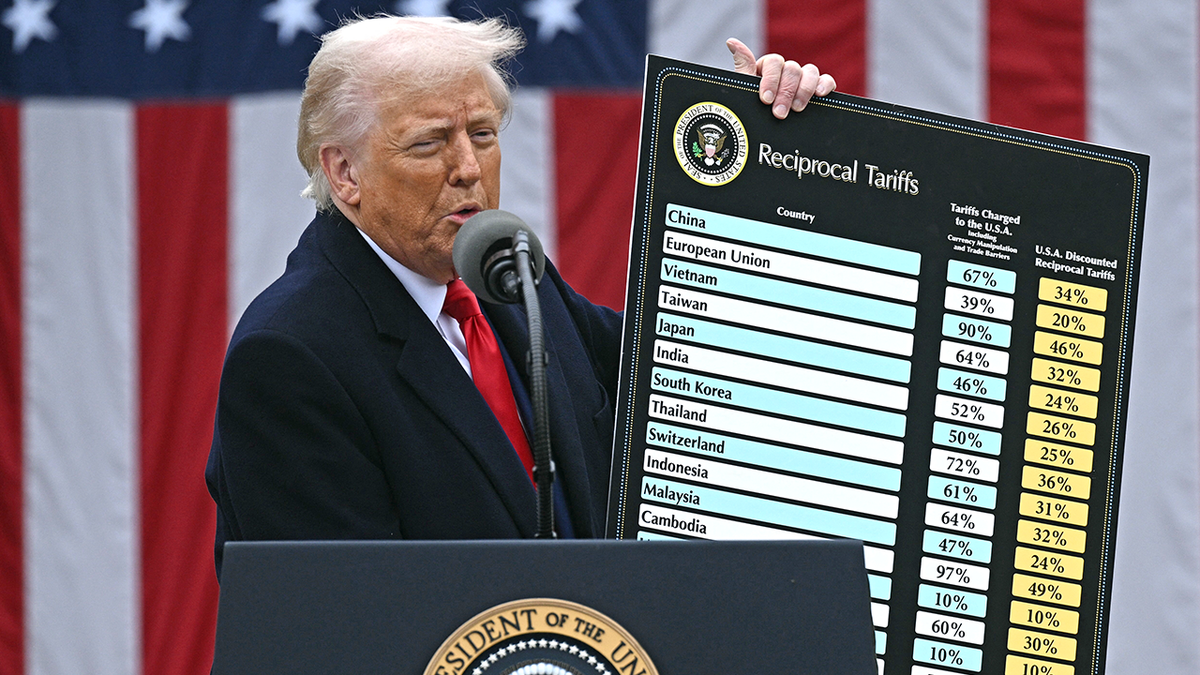

In a bold move affecting international trade, the Trump tariff on trade with Iran is set to impose a staggering 25% tax on any nation engaging in commerce with the Middle Eastern country. This significant policy shift not only scrutinizes Iran trade relations but also impacts U.S. tariffs in 2023, raising questions about the future of global commerce. With Trump policies on Iran being at the forefront of diplomatic discussions, the implications of these tariffs are already stirring reactions both domestically and abroad. As discussions regarding Trump tariff news unfold, businesses and governments are left to navigate the complex landscape of international trade tariffs. The ripple effects of this decision will likely reshape how countries approach their economic engagements with Iran, leading to potential shifts in alliances and trade dynamics worldwide.
In recent developments, the U.S. administration under Trump is enacting a substantial 25% levy on countries that maintain economic ties with Iran. This tariff initiative aims to tighten trade restrictions and is part of a broader strategy to recalibrate international commerce involving Iran. As a result, the effects of these Donald Trump tariffs on Iran will reverberate through various sectors, influencing negotiations and trade relations globally. Observers are closely monitoring how this tariff will affect bilateral relations and the wider implications for U.S. tariffs in 2023. These actions reflect a decisive approach in handling foreign policy and trade agreements within the framework of global economic strategy.
| Key Point |
|---|
| Trump plans to impose a 25% tariff on countries trading with Iran. |
Summary
Trump’s tariff on trade with Iran signifies a significant shift in U.S. trade policy aimed at isolating Iran economically. By imposing a 25% tariff, President Trump intends to pressure nations that engage in trade with Iran, thereby reducing its economic viability and influence. This measure reflects ongoing tensions in U.S.-Iran relations and underscores Trump’s commitment to addressing issues related to Iran’s activities on the global stage.
Impact of Trump Tariff on Trade with Iran
The recent announcement by President Trump regarding the imposition of a 25% tariff on countries that engage in trade with Iran introduces a significant shift in U.S. foreign policy. This measure, part of Trump’s broader strategy to isolate Iran economically, aims to curb the nation’s revenue streams, especially from oil exports. By targeting nations that maintain trade relations with Iran, the tariffs could alter international trade dynamics and reinforce the existing sanctions regime. With such tariffs in place, countries may reconsider their trading partnerships to avoid penalties from the U.S., leading to a cascading effect on global supply chains.
In 2023, U.S. tariffs implemented as part of Trump’s policies not only affect bilateral trade but also have wider implications for international trade relations. The potential for escalating tensions in trade agreements may spur increased negotiations among U.S. trading partners. Countries might seek alternative markets to balance their trade portfolios and reduce the impact of the newly enforced tariffs. Additionally, these tariffs could raise prices for consumers and businesses domestically, as the cost of goods imported from affected countries would increase significantly.
Analysis of U.S. Tariffs 2023 on Global Trade
The U.S. tariffs announced in 2023, particularly those targeting nations involved in trade with Iran, signal a return to protectionist policies reminiscent of previous decades. While the intended outcome is to weaken Iran’s economic influence, analysts argue that such tariffs could rebound on the U.S. economy, increasing costs for American companies reliant on imported goods from affected countries. This move also raises questions about the long-term sustainability of international trade relationships, as nations may band together to resist unilateral U.S. economic measures.
Furthermore, the complexity of global logistics and trading networks means that these tariffs could lead to unintended consequences. As businesses scramble to adapt to new tariff regulations, disruptions in trade flows could result in scarcity of certain resources and products. Consequently, companies that have maintained ties with Iranian markets or suppliers may have to reassess their strategic operations, potentially leading to a reshuffling of global supply chains and market dynamics in 2023, shaping how international trade evolves.
Reactions to Trump Policies on Iran: A Global Perspective
President Trump’s policies towards Iran have sparked a range of responses from both allies and adversaries on the international stage. The proposed tariffs serve as a clear warning to countries engaging in commerce with Iran, thereby reinforcing the U.S. stance on isolating the Iranian economy. Nations that are dependent on Iranian oil or goods face tough choices: either comply with U.S. directives and cut ties with Iran, or risk facing punitive tariffs that could jeopardize their economic stability.
Such a stark policy shift not only highlights America’s commitment to its foreign policy goals but also invites critique and resistance from global powers. Countries like China and Russia have historically supported Iran in the face of U.S. sanctions, leading to a potential realignment of economic alliances and trade routes. As the world observes the ramifications of Trump’s tariffs, diplomatic efforts and coalitions may emerge to counteract unilateral U.S. actions, redefining global trade relations in the process.
Effects on Iran Trade Relations with Other Nations
The Trump administration’s decision to impose tariffs on countries trading with Iran marks a pivotal moment for Iran’s trade relationships. Nations that have maintained favorable trade terms with Iran, particularly in sectors such as energy and agriculture, now must navigate new tariffs that could fundamentally alter their trading landscape. Countries that have historically ignored U.S. sanctions may now find themselves re-evaluating their trade agreements to simultaneously uphold their economic interests and avoid the repercussions of U.S. tariffs.
As a result, the impact on Iran’s economy could be profound, leading to decreased trade volumes and revenue losses. This predicament may also drive Iran to seek deeper ties with non-Western countries, fostering new trade partnerships that circumvent U.S. sanctions. By shifting focus to alternative markets, Iran may endeavor to stabilize its economy amidst the tightening grip of international trade tariffs and isolationist policies in 2023.
Trump’s Trade Strategy and International Trade Tariffs Overview
President Trump’s strategy surrounding trade with Iran is a clear illustration of how tariffs can be utilized as a diplomatic weapon. The 25% tariff imposed on nations trading with Iran reflects a tactic that not only aims to achieve political objectives but also seeks to redefine international trade norms. As the U.S. continues to assert influence through such economic measures, the repercussions may echo across various sectors, stimulating broader discussions about the role of tariffs in modern diplomacy.
In an era of increasing nationalism and protectionist policies, Trump’s approach raises critical questions about the future of international trade tariffs. As nations react to such aggressive policies, the potential for trade wars looms large. Countries may adopt retaliatory tactics in response to the tariffs, resulting in a complex web of tariffs and trade sanctions that could further complicate global commerce.
The Future of US Tariffs and Iran’s Economy
The implementation of U.S. tariffs on countries trading with Iran signals a potential shift in the trajectory of Iran’s economy in the coming years. With increased costs and barriers to trade, Iran might see a decline in its already struggling economy, reliant on oil exports and international partnerships. Such economic pressure could ignite domestic unrest and push the Iranian government to seek new economic models or partnerships outside traditional Western alliances.
Looking ahead to the next decade, as the global economy evolves, the effectiveness of these tariffs will likely be measured against Iran’s ability to adapt and find new trade relationships. The uncertainty surrounding U.S. foreign policies also suggests that Iran may pursue strategic diversification of its trade partnerships to mitigate risks associated with sanctions and tariffs, reshaping its economy in response to the imposition of such protective measures.
Repercussions of Tariff Policies on Domestic Markets
The domestic implications of tariff policies, particularly those enforced to deter trade with Iran, extend far beyond geopolitical boundaries. As businesses that import goods from affected countries face increased costs due to the 25% tariff, the direct fallout will be felt in various sectors. Prices for consumers are likely to rise, sparking concerns about inflation and market stability, challenging U.S. economists to balance trade policies with economic growth.
Moreover, Trump’s tariffs may compel businesses to reassess their supply chains and operational strategies. Companies may seek domestic alternatives or invest in production capabilities within the U.S. to minimize dependency on international suppliers adversely affected by tariffs. The long-term effects on employment, pricing, and innovation within the marketplace could reshape the landscape of U.S. industries, significantly impacting economic strategies in the coming years.
Global Reactions to Trump’s Trade Policies
International responses to Trump’s tariffs on Iran-trading countries illustrate a nuanced and multifaceted landscape. While some nations express concern over the implications on global trade and economics, others may view this as an opportunity to strengthen their allegiance with Iran in defiance of U.S. sanctions. This divide can potentially lead to the formation of new alliances and a re-examination of existing trade agreements as countries align themselves either with or against U.S. interests.
As advocates for global trade liberalization raise their voices against such unilateral tariff measures, dialogues about the importance of cooperation and peaceful trade become significantly relevant. Countries previously hesitant to confront the U.S. might today feel encouraged to challenge its tariffs in international forums, potentially rebalancing global trade policies and norms established in recent decades.
Long-term Effects of Trade Tariffs on Bilateral Relations
The long-term implications of Trump’s tariffs on countries cooperating with Iran could set a precedent for how the U.S. engages with the world in terms of trade relations. Over time, countries may either adapt to the changing landscape of U.S. trade policy and comply with the tariffs or push back by forming coalitions to defend their economic interests against American hegemony. This dynamic will play a crucial role in shaping not only U.S. relations with Iran but also its broader geopolitical strategy.
Furthermore, the impact of these tariffs could influence future U.S. administrations and their foreign policy stances. As trade relations become increasingly intertwined with national security concerns, the repercussions could lead to more volatile international markets and unpredictable diplomatic relationships. The success of Trump’s tariffs in achieving their intended goals may ultimately redefine how countries engage in international commerce and the strategic use of tariffs as a tool of foreign policy.
Frequently Asked Questions
What is the impact of the Trump tariff on trade with Iran?
The Trump tariff on trade with Iran imposes a 25% tax on any country that engages in trade with Iran, significantly affecting international trade relations. This tariff aims to deter countries from maintaining economic ties with Iran, thereby aiming to isolate its economy.
How will the Trump tariff news affect US tariffs in 2023?
The recent Trump tariff news indicates a strengthening of US tariffs in 2023, particularly targeting nations involved in trading with Iran. This could lead to increased trade tensions and impact global markets as countries reassess their trade agreements.
What countries are affected by Trump’s tariffs on Iran trade relations?
Countries that maintain active trade relations with Iran will be affected by Trump’s tariffs. This includes not only nations that import Iranian goods but also those exporting to Iran, leading to potential trade disputes and modifications of existing agreements.
Are there any exemptions to the Trump tariff on trade with Iran?
As of now, no specific exemptions have been announced regarding the Trump tariff on trade with Iran. However, countries may seek negotiations for exemptions or relief through diplomatic channels, but the administration’s position remains firm.
What are the long-term effects of US tariffs on Iran trade relations?
The long-term effects of US tariffs on trade relations with Iran may include a decline in Iran’s economic strength and increased isolation from international markets. This could also prompt affected nations to either comply with US policies or pursue new trade partners to mitigate losses.
How do Trump’s policies on Iran impact international trade tariffs?
Trump’s policies on Iran directly influence international trade tariffs by incentivizing other countries to align their trade practices with US sanctions. This may result in a widespread overhaul of tariffs affecting various countries, balancing political and economic interests globally.
Related: More from Market Analysis | WLFI Price Predicted: World Liberty Financial Proposes Governance Overhaul | XLM Bounces But Bears Control