


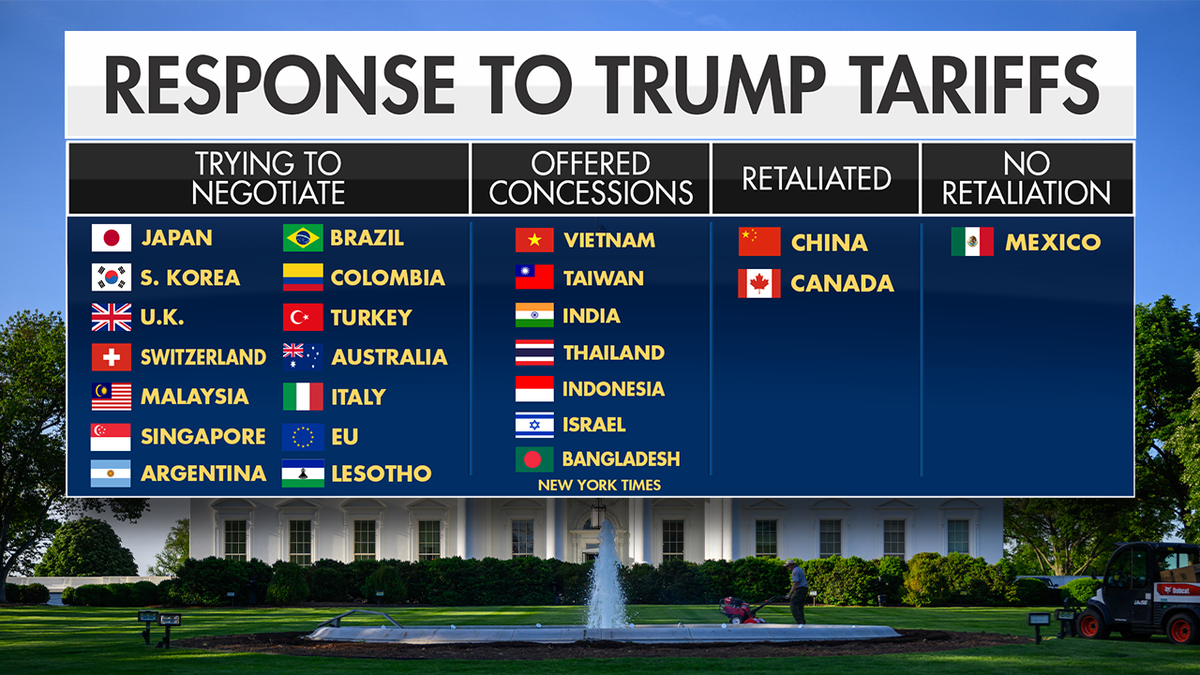

The Trump tariff case is poised to become a landmark decision with potential ramifications for the U.S. economy and its trade policies. As the U.S. Supreme Court prepares to evaluate the legality of the tariffs enacted by the Trump administration under the International Emergency Economic Powers Act, many importers are watching closely. Should the court rule against these tariffs, businesses could reclaim as much as $150 billion in overpaid fees, igniting a fierce battle for tariff refunds. However, companies desperate for relief may face a daunting and lengthy process, as the Trump administration could delay or contest refunds, even in a favorable ruling. With U.S. Customs working to clarify the refund process, large corporations like Costco have begun taking legal precautions, while smaller enterprises are looking to the secondary market for financial alternatives.

As the legal battle unfolds over the controversial trade restrictions initiated during the previous administration, the spotlight turns to the evolving landscape of international trade policies. Debates surrounding tariffs, particularly those implemented by the Trump era, raise critical questions about their economic impact and regulatory validity. As the Supreme Court deliberates the intricacies of these tariffs under the International Emergency Economic Powers Act, stakeholders are mobilizing to secure compensation for past payments. This situation not only highlights the urgency of obtaining tariff refunds but also emphasizes the necessity for businesses to streamline their approaches to navigating a potentially protracted legal landscape. The outcomes of these proceedings could redefine how importers manage their financial obligations and adapt to future trade regulations.
Potential Implications of the Supreme Court’s Decision on Trump Tariff Case
The impending decision by the U.S. Supreme Court regarding the Trump tariff case carries significant implications for importers across the country. If the Court rules against the tariffs imposed under the International Emergency Economic Powers Act, businesses could be set to reclaim substantial sums amounting to $150 billion. This potential influx could drastically alter the landscape for many companies, particularly those who have been financially burdened by these tariffs since their introduction. The core issue for these importers will hinge on the subsequent refund process, which remains a source of contention and uncertainty.
Compounding this uncertainty is the expectation that even a favorable ruling may not guarantee prompt or complete refunds from the Trump administration. Many businesses fear that bureaucratic delays or outright denials could impede their efforts to recoup their expected amounts. With prominent companies like Costco taking preemptive measures through litigation, the decision also raises questions about the broader strategies employed by businesses facing similar tariff challenges. The overarching significance of the Supreme Court’s ruling transcends individual fiscal recoveries, as it could shape the future of trade policies and tariff implementations in the United States.
Understanding the Refund Process for Tariffs
In light of potential Supreme Court rulings against the Trump administration tariffs, understanding the mechanics of the tariff refund process is essential for importers. The complexity of securing these refunds, especially under the guidelines of the International Emergency Economic Powers Act, emphasizes the need for meticulous record-keeping. Importers must proactively gather and verify all documentation pertaining to the tariffs paid in order to expedite any future claims. Failure to do so may result in significant delays or loss of potential refunds, putting businesses at a greater financial disadvantage.
Furthermore, the implementation of an electronic refund system by U.S. Customs poses both opportunities and challenges. Although automation could streamline the process, the current lack of clarity surrounding this system raises concerns among importers. Many businesses remain skeptical about whether the system will be effectively operational when needed, leading some, particularly smaller enterprises, to resort to selling their refund rights to hedge funds at a fraction of their potential value. With this in mind, firms must prepare legally and strategically for a post-ruling landscape that could pose complicated legal and administrative hurdles.
Impact of Tariffs on Small and Medium-Sized Enterprises
The imposition of tariffs under the Trump administration has disproportionately affected small and medium-sized enterprises (SMEs), complicating their operational costs and overall competitiveness. While larger corporations may have the resources to engage in proactive legal battles, many SMEs struggle to absorb the costs associated with ongoing tariffs. The uncertainty around potential refunds amplifies these challenges, with some businesses even opting to sell their expected claims on the secondary market as a means of survival in an increasingly volatile economic environment.
The decision by the Supreme Court on the Trump tariff case could drastically alter the operational landscape for SMEs. A favorable ruling could provide a much-needed financial reprieve, while conversely, an unfavorable decision might push many small businesses to the brink of closure. Hence, it’s crucial for these enterprises to actively engage with tariff issues, ensuring that they are informed and prepared to navigate the complexities of refund applications should the Court’s decision open new avenues for compensation.
Navigating Legal Procedures Post-Supreme Court Ruling
As businesses await the Supreme Court’s decision on the Trump tariff case, it is crucial for them to consider the potential legal procedures involved in applying for tariff refunds. If the Supreme Court rules against the tariffs, importers will need to be ready to engage in a potentially lengthy and intricate process to reclaim their funds. Understanding the legal framework and having access to well-organized records will be paramount for any importer looking to navigate this landscape.
Legal experts indicate that importers must not only be prepared to pursue refunds but also be aware of their rights under the International Emergency Economic Powers Act. Companies should seek legal counsel experienced in tariff law to help them streamline the process and enhance their chances of a favorable outcome. The anticipation of complex disputes over tariffs could lead to significant litigation, highlighting the need for firms to adopt proactive strategies to safeguard their interests amid ongoing uncertainty.
The Role of International Trade Law in Tariff Challenges
International trade law plays a crucial role in the context of the Trump tariff case, significantly influencing the legal arguments and strategies that businesses will adopt as they seek refunds. The legitimacy of tariffs imposed under the International Emergency Economic Powers Act will be under scrutiny, influencing how businesses could litigate their claims effectively. Companies must familiarize themselves with international trade agreements and how these could potentially protect their interests in the face of tariffs.
Moreover, the potential for conflict between domestic tariff regulations and international trade law presents additional challenges. Importers may find themselves navigating a complex web of legal obligations and rights as they seek to recover funds. It is imperative for businesses to remain vigilant and informed about developments in trade law to effectively advocate for their rights in light of the upcoming Supreme Court ruling.
Anticipating Market Reactions to Tariff Refunds
The anticipation surrounding potential refunds from the Trump administration tariffs and the Supreme Court’s ruling will likely provoke varied reactions across the market. Investors, importers, and economists are keenly watching for signals that could indicate how effectively refunds can be processed and what impact these will have on business operations and profitability. A favorable outcome could trigger stock rallies among companies poised to reclaim significant tariffs, whereas an adverse ruling may lead to sell-offs or heightened volatility in sectors heavily impacted by the tariffs.
As market participants analyze the implications of the Supreme Court’s decision, sectors with a substantial reliance on imports may experience shifts in sentiment. For instance, consumer goods companies that have paid considerable tariffs could benefit immensely from refunds when cash flow becomes accessible. Conversely, uncertainty surrounding the complexity and duration of refund applications may lend a bearish outlook, particularly for SMEs that may struggle to adapt in a rapidly changing environment.
Strategic Planning for Businesses Amid Tariff Uncertainty
In the face of uncertainty due to the Trump tariff case and its potential ruling, businesses must adopt strategic planning to mitigate risks associated with tariffs. This involves not only the immediate preparation for potential refunds but also long-term evaluations of supply chain strategies that could minimize exposure to tariffs in the future. Companies are encouraged to assess their import strategies to diversify suppliers or regions less likely to be impacted by sudden tariff increases, thereby ensuring smoother business continuity.
Additionally, firms should consider investing in compliance and legal advisory resources to ensure they are adequately prepared for the ongoing changes in tariff policies. By creating contingency plans that account for potential legal battles over refunds and the operational challenges that may arise, businesses can enhance their resilience amid tariff fluctuations. Engaging in proactive dialogue with stakeholders, including policymakers, could also provide valuable insights and strengthen their advocacy efforts against unfavorable tariff regimes.
The Future of Tariffs and Trade Policy in the U.S.
The outcome of the Supreme Court case on the Trump tariffs will likely serve as a significant precedent that could shape future U.S. tariff and trade policies. Should the Court rule against the tariffs, it may indicate a judicial endorsement of more lenient trade practices, influencing upcoming administrations and policymakers to reconsider similar tariffs under international law. This ruling could spark debates about the validity and necessity of such protective measures in a globalized economy.
Conversely, if the Court upholds the tariffs, it could signal a continuation of stringent import regulations and reshape how businesses approach international trade. Such a decision may fuel ongoing tensions with trading partners and provoke retaliatory measures, thereby complicating trade relations. Overall, the impending ruling not only impacts current economic environments but may also redefine the landscape of U.S. trade policy for the foreseeable future.
Frequently Asked Questions
What is the Trump tariff case currently before the Supreme Court?
The Trump tariff case involves the legality of global tariffs imposed by the Trump administration under the International Emergency Economic Powers Act. The U.S. Supreme Court is expected to rule on this issue, which could have significant implications for importers.
How could the Supreme Court ruling on the Trump tariff case affect tariff refunds?
If the Supreme Court rules against the Trump administration’s tariffs, importers could seek refunds for up to $150 billion in tariffs paid. However, challenges exist in the refund process as expectations of delays and denials from the government persist.
What is the International Emergency Economic Powers Act in relation to the Trump tariff case?
The International Emergency Economic Powers Act allows the U.S. government to regulate international economic transactions during national emergencies. The Trump administration invoked this act to impose tariffs, which are now being challenged in the Supreme Court.
What has been the impact of tariffs imposed by the Trump administration?
The tariffs imposed by the Trump administration have had a mixed impact, leading to increased costs for importers and potential retaliatory measures from affected countries. The upcoming Supreme Court ruling is critical to determine their legality and the future of tariff refunds.
What steps can businesses take regarding the Trump tariff case and potential refunds?
Businesses should prepare detailed records of all tariffs paid and be ready to apply for refunds if the Supreme Court ruling favors their claims. Additionally, proactive legal actions are being taken by large importers, indicating the importance of being organized for potential legal and administrative challenges ahead.
Why are some companies selling their tariff refund rights on the secondary market?
Some companies, particularly small and medium-sized enterprises, are selling their tariff refund rights on the secondary market at discounted rates to hedge funds as a strategy to mitigate potential losses before the Supreme Court ruling on the Trump tariff case.
What are experts advising businesses to do in relation to the Trump tariff case?
Experts recommend that businesses immediately organize and verify all records of paid tariffs and be prepared to file for refunds legally as soon as the Supreme Court decision is announced, in order to navigate possible complex processes that may follow.
| Key Point | Details |
|---|---|
| Supreme Court Ruling | The U.S. Supreme Court is expected to rule on the legality of tariffs imposed by Trump under the International Emergency Economic Powers Act. |
| Refund Potential | If the ruling is against the tariffs, up to $150 billion in tariffs paid may be reclaimed by importers. |
| Refund Process Uncertainty | There’s uncertainty about the refund process as companies expect delays or denials from the Trump administration. |
| Electronic Refund System | U.S. Customs plans to implement an electronic refund system, but specifics are not yet clarified. |
| Proactive Measures by Importers | Large importers like Costco are initiating lawsuits, while smaller firms are selling refund rights to hedge funds. |
| Expert Advice | Companies should organize detailed records of paid tariffs and prepare for potential complex refund applications. |
Summary
The upcoming ruling on the Trump tariff case by the U.S. Supreme Court is poised to significantly impact the future of global tariffs imposed during his administration. This ruling could open the door for importers to reclaim substantial amounts paid, though uncertainties regarding the refund process remain a concern. As large companies take proactive legal steps and smaller businesses prepare strategically, it’s clear that the complexities surrounding this case will have long-lasting implications for businesses engaged in international trade.
Related: More from Regulation & Policy | EU Crypto Taxes: Practical Implications Explained | UK FCA to Consider Cryptos for Gambling Payments