
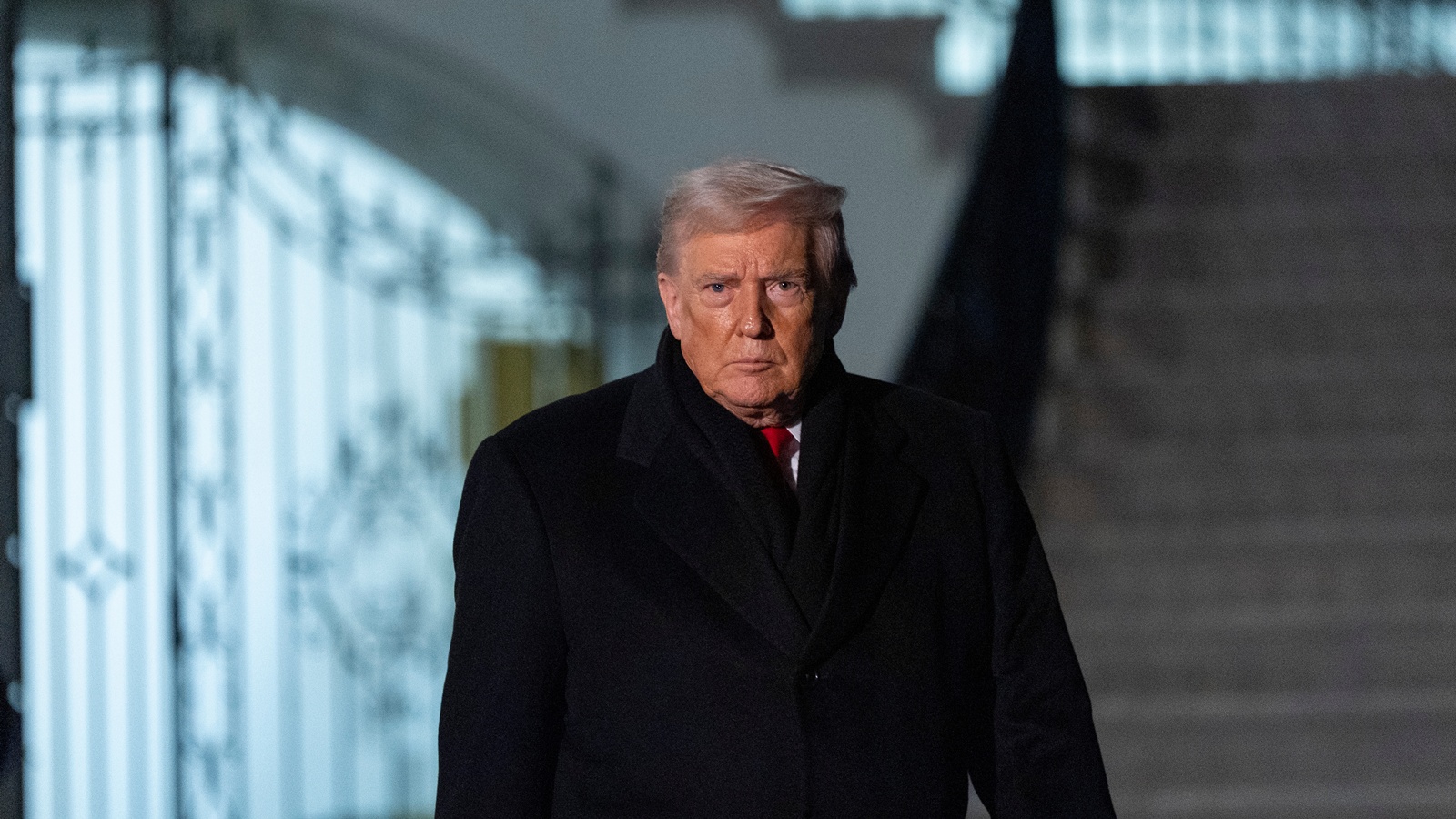

In his highly anticipated speech at Davos 2023, Trump addressed key issues affecting the global economy, including the current inflation rate in the US, which he stated stands at just 1.5%. He confidently projected strong economic growth predictions, forecasting an impressive 5.4% growth rate for the US economy in the fourth quarter of 2025. This bold assertion comes as a stark contrast to the IMF growth forecast, which has been less optimistic. Trump’s insights sparked notable discussions at the summit, highlighting Davos 2023 as a pivotal moment for financial leaders. As stakeholders absorb this US economy update, analysts are closely monitoring the implications of these claims on future economic policies and trends.

During the recent economic forum in Switzerland, the former president shared his insights on the financial landscape, addressing concerns about rising prices and overall economic stability. He emphasized that the core inflation figure in the United States is relatively low, suggesting that the economy is on a recovery path. With his expectations for robust development in the coming years, Trump’s statements raised eyebrows among industry experts who rely on such forecasts. The conversations emerging from this event underscore the potential shift in global economic leadership as discussions about growth rates dominate the narrative. As the dialogue continues, observers are eager to see how this speech will shape future fiscal strategies and market responses.
| Key Point | Details |
|---|---|
| Core Inflation Rate | 1.5% |
| Projected Economic Growth Rate | 5.4% in Q4 2025 |
| Growth Comparison | Growing at twice the rate predicted by the IMF |
Summary
In the Trump Davos speech, the former president highlighted the current economic situation in the United States, emphasizing a remarkably low core inflation rate of 1.5% and an optimistic forecast of a 5.4% economic growth rate for the fourth quarter of 2025. By asserting that the U.S. economy is growing at a rate that surpasses IMF predictions, Trump’s address aimed to instill confidence in the nation’s economic trajectory.
Trump’s Foretelling on US Inflation Rates
During his impactful Davos speech, Trump addressed the pressing issue of inflation in the United States, asserting that the core inflation rate stands at a surprisingly low 1.5%. This figure is significant as it contrasts sharply with current inflation trends being discussed globally. While many economists express concerns over rising costs, Trump’s assurances aim to instill confidence among investors and stakeholders. By presenting this figure, he effectively signals that the U.S. economy could be on track for a more stable financial future, which is a notable topic in Davos 2023 highlights.
Understanding Trump’s perspective on the inflation rate is crucial as it has far-reaching implications for economic policies and market movements. A low inflation rate suggests better purchasing power for consumers and potentially lower interest rates, which can stimulate spending and investment. With the core inflation rate at 1.5%, many may wonder how this could impact the economic climate and future growth. Trump’s views reinforce optimism in the economic growth predictions offered by various financial institutions, possibly paving the way for renewed investor confidence.
Economic Growth Predictions: Trump’s Vision
In the same vein, Trump’s speech at Davos entailed his ambitious predictions for the U.S. economic growth rate, forecasting an impressive 5.4% growth for the fourth quarter of 2025. Such projections not only reflect an optimistic outlook but also challenge the more conservative estimates released by the International Monetary Fund (IMF). By claiming that the U.S. is growing at twice the rate estimated by the IMF, Trump positions his administration’s policies as key drivers behind this anticipated economic acceleration.
This optimistic growth forecast aligns with broader trends being noted in the economic landscape. The IMF growth forecast, while slightly more conservative, serves as a benchmark that can either validate or question Trump’s predictions. The divergence in these forecasts highlights the uncertainties that economists face today, as they navigate complex global challenges. However, if Trump’s growth predictions prove accurate, it could reshape narratives in economic discussions for 2023 and beyond, providing a significant boost to the U.S. economy update.
Davos 2023 Highlights: Insights from Trump
The annual meeting in Davos has been a platform for leaders around the world to share their insights on economic issues, and Trump’s speech has become one of the distinct Davos 2023 highlights. By presenting a compelling narrative around the U.S. economy’s strength, he captured the attention of global leaders and investors. The significance of discussing the core inflation rate and steadfast growth predictions can’t be overstated, as these are critical factors that influence market dynamics all year long.
Moreover, the discussions from Davos serve as a litmus test for international economic relations and climate. Trump’s assertions about the U.S. economy thriving against the backdrop of global economic pressures could lead to increased dialogue and cooperation among nations. This could inspire other countries to reconsider their economic strategies in light of his optimistic assessment, ultimately growing interest in the U.S. market among global investors.
Impacts of Trump’s Davos Speech on Investor Confidence
Investor confidence is a crucial indicator of economic health, and Trump’s speech at Davos is likely to reverberate through the financial markets. His confidence in a 5.4% growth rate, paired with the low inflation of 1.5%, aims to strengthen the belief that the U.S. remains a reliable investment destination. Investors, often swayed by rhetoric and macroeconomic indicators, may view this optimism as a green light to engage more actively in the U.S. market. This could also result in increased foreign investments, propelling the economy further.
Consequently, Trump’s assertions challenge global perceptions of the U.S. economy amidst various economic uncertainties. By establishing a strong positive narrative, he sets a tone that may influence market movements and decision-making for both domestic and foreign investors. Should the core inflation rate remain low and growth meet or exceed expectations, it could anchor a sustained wave of confidence leading into the economic year.
Understanding the US Economy Update Post-Davos
As the world turns its attention to post-Davos analyses, it is essential to dissect the US economy update in light of Trump’s declarations. His optimistic evaluation of the 1.5% core inflation rate and 5.4% growth forecast serves as a foundational narrative that stakeholders will reference in upcoming discussions. Stakeholders now have a framework for understanding the American economic landscape, which is particularly relevant as they consider investments and policy-making strategies moving forward.
Analyzing the implications of Trump’s speech is fundamental for economists and analysts who study the correlations between inflation trends and economic growth. Key performance indicators such as inflation rates and growth forecasts will be closely monitored throughout the year to assess their alignment with Trump’s ambitious predictions. Additionally, to sustain positive momentum in the economy, it’s essential that policymakers remain engaged in effectively managing inflation and encouraging growth strategies that could make these forecasts a reality.
The Role of the International Monetary Fund in Economic Predictions
The International Monetary Fund (IMF) plays a significant role in shaping global economic expectations and forecasts. Trump’s remarks at Davos challenging the IMF growth forecast highlight the often-contentious relationship between national leaders and international financial institutions. By claiming that the U.S. economy is outpacing IMF predictions, Trump is not just promoting national pride but also recalibrating how other countries perceive potential economic trajectories.
In the current economic climate, where inflation rates and growth forecasts are under scrutiny, the IMF’s role becomes even more pivotal. Their analyses serve as benchmarks for economists and policymakers alike. Understanding these dynamics can offer a clearer picture of the economic landscape and guide nations in their response to inflationary pressures and growth opportunities. Thus, the interaction between Trump’s predictions and IMF estimates illustrates the complexity of global economic forecasting.
Key Takeaways from Trump’s Davos 2023 Remarks
Trump’s remarks at Davos 2023 encapsulated key themes of optimism regarding the U.S. economy, where he highlighted crucial metrics such as the core inflation rate and projected growth. His assertions may resonate not just in financial circles but also in broader economic discussions, polarizing opinions regarding the economic condition and future outlook of the United States. These takeaways signal a potential shift in market confidence and investment flows.
The core messages delivered in his speech call for a reassessment of how both domestic and international observers perceive the performance of the U.S. economy. By asserting strong growth against forecasts set by the IMF, Trump aims to galvanize support for his administration’s policies and economic strategies. The key takeaways from his Davos speech could provide a foundation for discussions on inflation and growth in the coming months.
Future Economic Policies Based on Trump’s Predictions
The implications of Trump’s predictions extend beyond mere statistics; they point towards actionable economic policies that could shape the future direction of the U.S. economy. If the core inflation rate remains manageable at 1.5% while achieving 5.4% growth, this creates a conducive environment for economic reforms and initiatives that prioritize investment and innovation. Policymakers will need to align their strategies with these optimistic outlooks to maintain momentum.
As industries and sectors prepare to respond to these projections, the alignment of economic policies with real-world metrics will be crucial. Economic growth predictions should inspire policymakers to foster an environment that encourages entrepreneurship and supports businesses in achieving growth targets. By setting forth policies that are informed by these forecasts, the U.S. economy could realize its full potential and remain competitive on the global stage.
Challenges to Trump’s Economic Growth Predictions
While Trump’s predictions offer an optimistic outlook, several challenges could hinder the realization of the projected 5.4% growth rate for the U.S. economy. Factors such as supply chain disruptions, labor shortages, and geopolitical tensions could significantly impact economic performance. By addressing these challenges head-on, Trump’s administration may need to devise robust strategies that mitigate risks and bolster consumer confidence.
Moreover, the uncertainty factors surrounding inflation trends and global economic conditions present additional hurdles. Should inflationary pressures exceed the current 1.5% rate, it could complicate growth forecasts and lead to adjustments in policy approaches. Therefore, the ability to navigate these challenges will be critical for turning Trump’s ambitious predictions into reality while maintaining economic stability.
Frequently Asked Questions
What did Trump say about the inflation rate in his Davos speech?
In his Davos speech, Trump highlighted that the core inflation rate in the United States stands at 1.5%. This remark reflects his administration’s focus on managing inflation effectively as part of the broader economic growth strategy.
How did Trump characterize economic growth predictions in his Davos speech?
During his Davos speech, Trump projected an expected economic growth rate of 5.4% for the fourth quarter of 2025, indicating a strong outlook for the U.S. economy and a belief that growth is outpacing many forecasts.
What is Trump’s view on the IMF growth forecast based on his Davos address?
In his Davos speech, Trump asserted that the U.S. economy is growing at twice the rate predicted by the International Monetary Fund (IMF). This statement reflects his confidence in the resilience and strength of the U.S. economic landscape.
What were the Davos 2023 highlights mentioned in Trump’s speech?
In Trump’s Davos 2023 speech, key highlights included an optimistic outlook on the U.S. economic growth, stating a 5.4% growth prediction and a core inflation rate of 1.5%, underscoring his administration’s achievements in economic management.
What updates did Trump provide about the US economy in his Davos speech?
Trump’s Davos speech included updates on the U.S. economy, notably the low core inflation rate of 1.5% and an ambitious economic growth rate forecast of 5.4% for late 2025, positioning the U.S. as a leader in global economic performance.
Related: More from Market Analysis | WLFI Price Predicted: World Liberty Financial Proposes Governance Overhaul | XLM Bounces But Bears Control