

Trump Explores Executive Order to Standardize State AI Regulations
Washington, D.C. – Former President Donald Trump has recently hinted at potential executive action to establish a more unified regulatory framework for artificial intelligence (AI) across the United States, a move aimed at reining in the disparate policies currently adopted by individual states. This announcement has stirred a significant discussion among technology leaders, lawmakers, and regulatory bodies regarding the best path forward for AI governance.

Key Takeaways
The Growing AI Regulatory Patchwork
As AI technology continues to advance, states have taken various approaches to manage and integrate these systems, leading to a patchwork of regulations that vary significantly from one jurisdiction to another. California, for example, has implemented strict AI laws focusing on privacy and data protection, while Texas has adopted a more laissez-faire approach, prioritizing economic growth and technological innovation.
This fragmented landscape can be challenging for AI companies, which must navigate differing state laws that impact their operations, development, and deployment of AI technologies. The lack of uniformity can stifle innovation, complicate compliance efforts, and potentially hinder the competitive edge of the U.S. in the global AI market.
Trump’s Vision for a Unified AI Policy
In response to these challenges, Trump’s proposed executive order seeks to streamline and standardize AI regulations across the states. The initiative is aimed at creating a balanced environment that fosters innovation while ensuring robust protections for privacy and ehtical considerations.
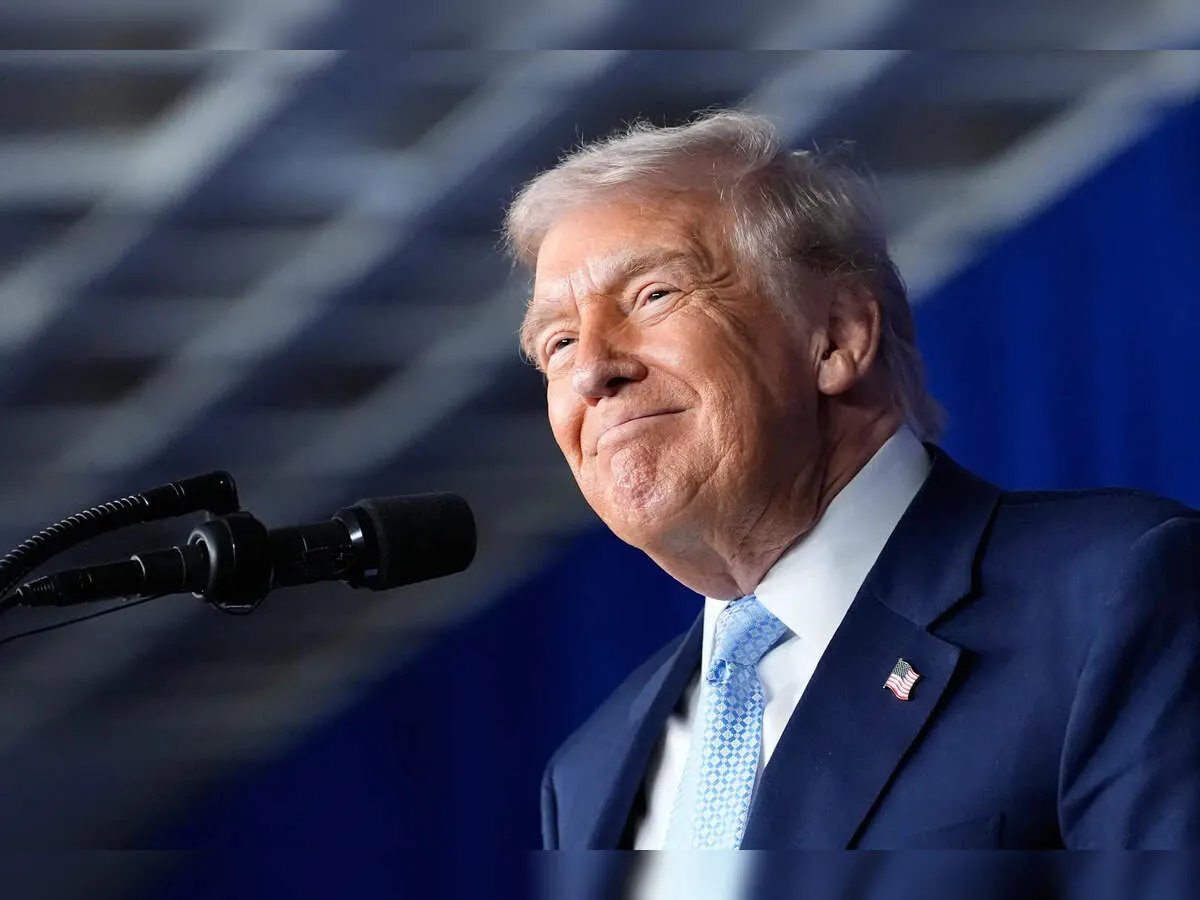
“This executive action will ensure America remains the global leader in artificial intelligence. We will support our innovators while protecting our citizens’ rights,” Trump stated in a recent press conference.
The exact details of the prospective order remain under wraps, but insiders suggest it could involve setting baseline regulatory standards or creating a new federal body to oversee AI policy nationwide. Such measures would not only provide clarity and consistency for AI enterprises but also maintain safeguards against potential misuse of the technology.
Concerns and Counterpoints
However, Trump’s proposal has not been met without skepticism. Critics argue that a one-size-fits-all approach may not adequately address the unique needs and concerns of all states. Additionally, there is worry that federal oversight might become too intrusive, potentially infringing on state rights and stifling local innovation.
Moreover, technology experts and ethicists express concerns about the pace of governmental response to rapid AI advancements. They emphasize that the regulation must be not only uniform but also agile enough to adapt to continuous technological evolutions without stifling growth.
The Road Ahead
As Trump pushes for a consolidated approach to AI regulation, the debate continues about the balance between federal oversight and state autonomy. The next steps likely involve a series of discussions, consultations, and negotiations with various stakeholders, including tech companies, state representatives, and civil society groups.
If successful, Trump’s initiative might pave the way for a standardized regulatory environment that could lead to greater efficiency, enhanced innovation, and stronger protections within the AI sector. As the United States stands at the forefront of AI technology, the actions taken now could very well shape the future landscape of AI development and its integration into society.
Overall, while Trump’s executive order proposal brings potential benefits in harmonizing AI regulation, it also underscores the complexities and diverse perspectives surrounding AI policy in America. Only time will tell how these issues will unfold as the nation seeks to secure its position as a leader in the rapidly evolving AI arena.