
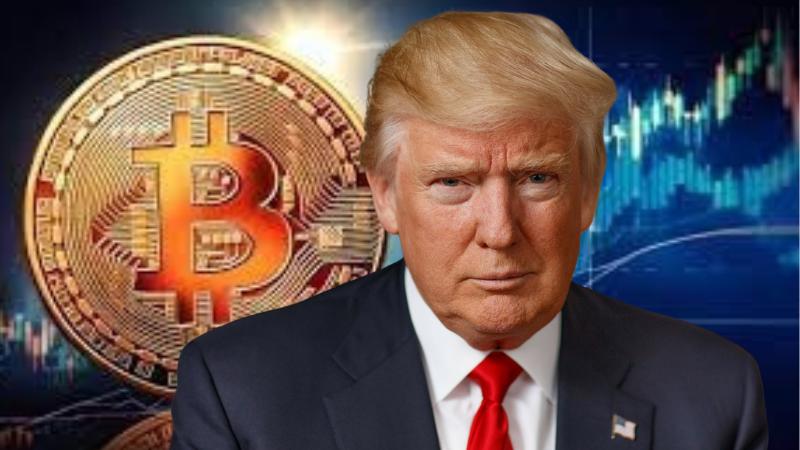

The recent transaction involving President Trump’s World Liberty Financial has sent shockwaves through the crypto community as reports emerge about the Trump Bitcoin Sale. In a strategic move, the financial firm withdrew 173 wrapped Bitcoin (WBTC) from Aave, converting these assets into $11.75 million in USDC to fully repay its debt. This decision reflects the delicate balance of managing Bitcoin exposure amidst volatile market conditions, with Trump’s financial team navigating the nuances of cryptocurrency collateral sales. As Bitcoin’s price fluctuated below $63,000, questions arose not only about the former president’s direct involvement but also about the broader implications this sale has for market liquidity and leverage. With businesses making such staggering moves, understanding the mechanics behind actions such as the Trump Bitcoin Sale is essential for both investors and enthusiasts alike.

The recent activity surrounding a wallet linked to Donald Trump’s World Liberty Financial has raised eyebrows, effectively leading to discussions of a significant Bitcoin liquidation. By extracting wrapped Bitcoin from Aave and liquidating these assets for stablecoins, this financial maneuver reveals the intricate layers of cryptocurrency collateral management. As market dynamics shift, the topic of Bitcoin engagements by high-profile individuals like Trump illustrates the complex environment where leveraging assets for debt repayment has become essential. This signals a shift in strategy for crypto whales, who must now consider the ramifications of actions like Bitcoin collateral sales against the backdrop of fluctuating valuations. Exploring alternative financial strategies, such as converting WBTC to USDC, unveils a compelling narrative of risk management and investment adaptation in the evolving landscape of digital currencies.
| Key Point | Detail |
|---|---|
| Trump’s Wallet Activity | Withdrew 173 WBTC from Aave to repay $11.75 million in USDC debt, indicating deleveraging amid Bitcoin price drops. |
| Liquidation Risks | Aave reported $140 million in liquidations, emphasizing the financial pressure on whales to sell collateral before forced liquidation occurs. |
| Market Feedback Loop | Deleveraging by whales increases borrowing costs, creating a cycle where selling leads to more selling due to increased liquidity demand. |
| Paths Forward | Three scenarios: gradual deleveraging, auction cascades, or cross-market liquidity shocks affect future cryptocurrency stability. |
| Implications of Collateral Sales | Sales like Trump’s highlight a wider trend in managing leverage and maintaining market positions, potentially hindering price recovery. |
Summary
The topic of the Trump Bitcoin Sale illustrates the strategic financial maneuvering involving significant amounts of cryptocurrency. President Trump’s affiliated wallet’s decision to sell 173 WBTC to repay debt indicates a cautious approach in a volatile market. This highlights the broader trend of whales selling collateral to avoid liquidation, which influences liquidity and borrowing costs across the crypto markets. Overall, the unfolding events present a complex landscape where individual actions of large holders, such as Trump, are shaping the future of the cryptocurrency market.
Understanding Trump Bitcoin Sale Dynamics
The notion that President Trump might be involved in Bitcoin sales raises several questions regarding the strategic intent behind such moves. Trump’s associates, particularly World Liberty Financial, managed by his sons, engaged in Bitcoin collateral sales to mitigate their financial risk. The sale of 173 wrapped Bitcoin (WBTC) showcased a proactive approach to repaying hefty debts, totaling $11.75 million in USDC. This operation highlights the intersection of crypto trading activities with traditional financial management, emphasizing how volatility in Bitcoin’s value can directly impact decision-making for high-stakes investors.
Additionally, the involvement of significant political figures in cryptocurrency trading showcases the increasing normalization of digital assets within mainstream finance. Trump’s decision to liquidate a portion of his Bitcoin holdings may have been influenced by market conditions, particularly the drop in Bitcoin’s value below $63,000. By converting WBTC to stablecoins like USDC, the wallet managed to refinance its position and avert potential liquidation threats. This move not only underscores the strategic aspect of Bitcoin collateral sales but also reflects a broader trend among crypto whales adapting their strategies to maximize market opportunities.
Reasons Behind Increased Collateral Sales in Crypto Markets
Recent observations in the cryptocurrency landscape indicate a surge in collateral sales among major players, commonly referred to as whales. The urgency to reduce leverage has become apparent, especially in light of the reported $140 million in liquidations on platforms like Aave V3. As these high-value traders are compelled to sell their Bitcoin holdings to rectify their positions, it becomes pivotal to understand the market dynamics pushing them toward such decisions. Factors such as rising borrowing costs and the amplified risk of liquidation under volatile market conditions play crucial roles in shaping these actions.
The feedback loop created by these selling activities intensifies the challenges faced in the markets. When whales decide to sell their collateral, such as Bitcoin or wrapped Bitcoin (WBTC), it exacerbates liquidity issues and typically drives prices lower. In response to increasing demand for stablecoins amid these asset sales, the cost of borrowing also rises, prompting even more traders to consider deleveraging. Thus, we see a compounding effect where the actions of a few can lead to cascading consequences across the entire market, indicating a systemic shift towards more cautious financial strategies.
Impact of Liquidation Trends on Investor Strategies
The impact of liquidation trends following the selling pressure on Bitcoin is significant, particularly in terms of shaping investor behaviors. With the diminishing health factors of many accounts on Aave and other lending protocols, there is a palpable fear of forced liquidations. Such liquidations can drastically affect not only individual wallets but the broader cryptocurrency market as they often lead to increased selling volumes, driving prices further down. The recent trends suggest a concerted effort by whales to manage their exposure proactively, converting their WBTC into stablecoins to navigate these turbulent waters.
Moreover, the increased liquidity pressure creates what can be termed an exit liquidity crisis. As the majority of investors flee to safety, they inadvertently contribute to a tighter market characterized by reduced bids and broader sell spreads. This behavior signals a noteworthy shift in sentiment, where traders previously levered up are now opting to secure their positions by liquidating assets rather than risking considerably larger losses, thereby reshaping future market dynamics.
The Role of Aave and Other DeFi Platforms in Collateral Dynamics
DeFi platforms like Aave play a crucial role in the ongoing dynamics of collateral management within cryptocurrency markets. With their ability to facilitate the borrowing and lending of wrapped Bitcoin (WBTC) and other digital assets, these protocols are essential to how whales manage risk. The recent activity observed at Aave V3, where significant liquidations occurred, reflects the delicate balance between providing liquidity and ensuring that users maintain healthy positions. Investors are increasingly cognizant of the necessity to monitor their health factors closely to avoid abrupt and detrimental liquidations.
Moreover, the protocols’ structure begs the question of efficiency in handling bad debt. As liquidity shocks escalate due to mass liquidation events, DeFi platforms find themselves in a race against time to clear these positions. This situation creates a contentious atmosphere where market participants are forced to adapt quickly, often leading them to sell collateral from their vaults to stave off liquidation. As Trump’s wallet has demonstrated through its collateral sales, engaging with DeFi environments requires strategic maneuvering to balance risk and reward, underscoring the importance of effective asset management in volatile markets.
Evaluating Future Risks and Opportunities in Crypto Trading
Assessing future risks associated with cryptocurrency trading reveals several layers of complexity influenced by current liquidation trends and collateral dynamics. As whales, including Trump and his financial associates, navigate turbulent waters by selling off significant portions of their Bitcoin holdings, the risk of falling prices remains a pressing concern. Historical patterns indicate that abrupt drops in Bitcoin seldom occur in isolation; rather, they are often catalyzed by systemic risk factors and investor panic. This necessitates a cautious approach from all market participants looking to mitigate potential losses.
However, alongside these risks lie opportunities for savvy traders. The ongoing evolution of DeFi and the pressure on whales to liquidate their assets could create unique market entry points for investors willing to adopt a contrarian stance. The cycle of liquidation may lead to temporary price drops that, for some, present favorable buying conditions. As the market stabilizes, those investors who can weather the storm and capitalize on strategically timed entries could find themselves at a significant advantage, highlighting the need for resilience and foresight in cryptocurrency trading.
Market Responses to Institutional Sell-Offs
Institutional investors shedding assets has profound implications for market structures and price movements within the cryptocurrency space. The recent pattern of liquidations, particularly from well-known entities such as Trump’s World Liberty Financial, highlights a larger narrative of divestment in the face of market instability. As these players exit or reduce their positions in Bitcoin, their actions resonate across the market, leading to heightened volatility and often sharp price declines as retail traders respond to perceived panic.
Still, the broader market’s resilience mechanism is being tested under such conditions. The shifts in capital driven by institutional sell-offs can also foster new trading strategies among remaining participants. Investors might begin flood-in towards more stable assets or traditional finance elements, creating a liquidity vacuum for Bitcoin that could harm its recovery momentum. Nevertheless, the diversification of digital assets beyond Bitcoin offers various safety measures for savvy investors interested in capturing potential upside amidst adversity.
Adapting to Market Conditions: Strategies for Crypto Investors
In an ever-evolving landscape, crypto investors must remain agile and adapt strategies to navigate tumultuous market conditions. The recent liquidations and subsequent sell-off of Bitcoin highlight the need for a fortified risk management approach. As demonstrated by whales liquidating their collateral to mitigate debt and maintain financial health, decentralizing risk is key. Investors should consider diversifying their portfolios with a blend of digital and stable assets to better weather market fluctuations.
Furthermore, staying informed about lending protocols, such as Aave, and their implications on collateral use can also afford investors deeper insight into market dynamics. As competition among DeFi platforms intensifies, understanding shifts in borrowing costs and market sentiment becomes crucial. Creating protocols for action, such as defining exit points and target asset allocations, can empower traders to move decisively when opportunities arise or crises loom, thereby enhancing their position in the market.
The Evolution of Cryptocurrency and Its Stakeholders
The cryptocurrency landscape is constantly evolving, shaped by the actions of its stakeholders, from individual traders to large institutions and political figures. The recent engagements from Donald Trump’s World Liberty Financial signify a blending of traditional finance with modern digital asset strategies. As investors see high-profile individuals venturing into Bitcoin and DeFi, the stakes are raised not just for personal finance but for the entire crypto ecosystem’s credibility and viability. This convergence brings attention to how legacy financial principles apply to the emerging world of digital currencies.
Additionally, as the market matures, the nature of stakeholder participation changes. Stakeholders no longer merely react to market events; they now play pivotal roles in shaping them. That proactive stance demands transparency and responsibility among all investors. As more market actors adopt strategies similar to Trump’s Bitcoin sell-off – focusing on risk management, collateral sales, and leveraging insights from blockchain data – the cryptocurrency community is likely to foster a more sophisticated trading environment, paving the way for robust opportunities and potential pitfalls.
Frequently Asked Questions
Did Donald Trump sell Bitcoin through his World Liberty Financial?
Yes, a wallet associated with Donald Trump’s World Liberty Financial withdrew approximately 173 wrapped Bitcoin (WBTC) and sold them to repay $11.75 million in debt. This activity indicates a strategy of deleveraging amidst market conditions where Bitcoin prices have fluctuated.
What is the connection between Donald Trump and the Bitcoin sale reported by World Liberty Financial?
The Bitcoin sale involved WBTC linked to the wallet of World Liberty Financial, attributed to President Donald Trump’s operations. This withdrawal and sale were part of a strategy to manage debt and reduce exposure amid market volatility.
How did the sale of wrapped Bitcoin (WBTC) help avoid liquidation for World Liberty Financial?
The sale of 173 WBTC allowed World Liberty Financial to pay off $11.75 million in USDC debt, raising their Aave health factor to 1.54, which is above the liquidation threshold of 1.0, thereby avoiding forced liquidation.
What risks are associated with Bitcoin collateral sales like the one made by Donald Trump’s World Liberty Financial?
The risks include potential market downturns that could trigger further liquidations, as well as increased volatility in the cryptocurrency market driven by the actions of large holders or ‘whales’ selling collateral to manage their leverage.
What implications does the sale of Bitcoin by major entities like World Liberty Financial have on the market?
The sale of Bitcoin by major entities can lead to increased selling pressure in the market, affecting liquidity and potentially driving prices lower, particularly if multiple large holders opt to deleverage simultaneously.
What was the health factor of the wallet managed by World Liberty Financial after the sale of Bitcoin?
After the sale of 173 WBTC, the health factor of the wallet attributed to World Liberty Financial improved to 1.54, indicating a reduced risk of liquidation under Aave’s policies.
What does the term ‘deleveraging’ mean in the context of Bitcoin sales related to the Trump Bitcoin sale?
Deleveraging refers to the process of reducing leverage or debt levels by selling off collateral. In this case, the sale of Bitcoin allowed World Liberty Financial to decrease its outstanding debt and improve its financial stability.
How does the Bitcoin collateral sale relate to Aave liquidation risks?
The Bitcoin collateral sale helped mitigate liquidation risks for World Liberty Financial on the Aave platform, as selling the WBTC raised their health factor, preventing automatic liquidation of assets at discounted prices.
What role do market conditions play in the decision to sell Bitcoin as seen in the Trump Bitcoin sale?
Market conditions, such as declining Bitcoin prices and high volatility, compel entities like World Liberty Financial to sell collaterals to manage debt levels and avoid forced liquidation if health factors decline too low.
What trends in liquidations can be observed from the Bitcoin sale associated with Donald Trump?
The sale of Bitcoin by World Liberty Financial is indicative of a broader trend of liquidations in the cryptocurrency market, where large holders are actively managing their positions to avoid forced selling due to declining collateral values.