


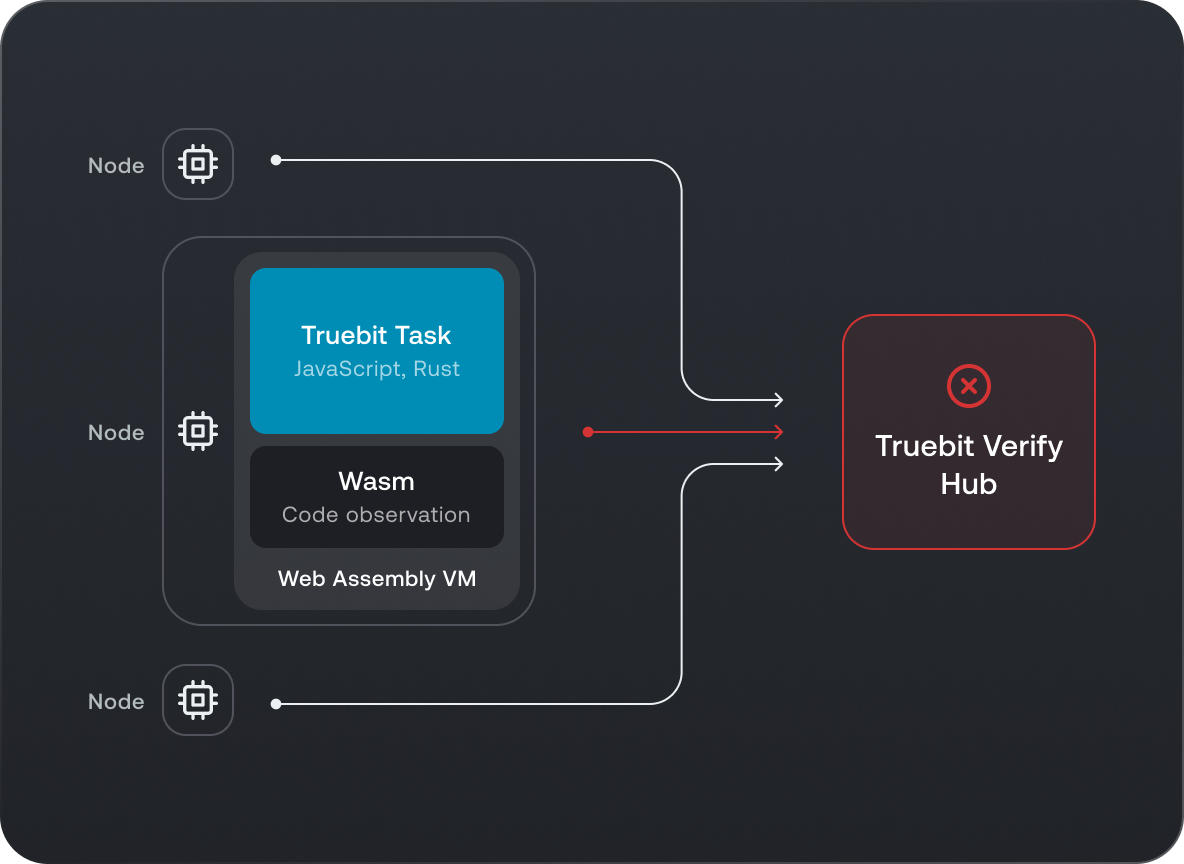

The recent Truebit Protocol hack has sent shockwaves through the decentralized finance (DeFi) community, exposing critical DeFi security risks and leading to the dramatic collapse of the TRU token. With a staggering loss of approximately $26.5 million due to exploited smart contract vulnerabilities, the incident has thrown the future of Truebit Protocol into uncertainty. The TRU token plummeted from $0.1659 to nearly zero, rendering it virtually worthless and evaporating liquidity on decentralized exchanges overnight. This exploit serves as a stark reminder of the ongoing blockchain exploits that can devastate even well-designed protocols. As discussions about the Truebit Protocol update continue, the incident highlights the urgent need for enhanced security measures in the ever-evolving DeFi landscape.

In light of the recent cyberattack on Truebit Protocol, the intricate nature of decentralized finance is once again under scrutiny. Known as a prominent player in verified computing, the protocol’s vulnerabilities were ruthlessly exploited, resulting in significant financial losses and a catastrophic fall in its TRU token value. Such breaches underscore the broader concerns regarding security in DeFi, where even a single exploit can lead to mass liquidity crises and erode user trust. The relationship between protocol integrity and token stability is paramount, particularly as attackers exploit weaknesses in smart contracts. As the Truebit situation unfolds, it raises vital questions about how similar platforms can bolster their defenses against future threats.
Understanding the Truebit Protocol Hack
The Truebit Protocol hack serves as a stark reminder of the security vulnerabilities present within decentralized finance (DeFi). The recent breach saw an estimated $26.5 million drained from the protocol due to weaknesses within its smart contracts. This incident has raised red flags regarding smart contract vulnerabilities that many DeFi projects face. As users continue to flock to these platforms, the inherent risks tied to blockchain exploits become increasingly critical, impacting user confidence and market stability.
This incident is far from isolated; it reflects a concerning trend of ongoing DeFi security risks. The Truebit Protocol hack exemplifies how swiftly attackers can exploit vulnerabilities, resulting in devastating financial repercussions. Furthermore, the consequences of such hacks extend beyond the immediate losses, often leading to significant market instability, as seen with the TRU token’s crash. The need for rigorous security evaluations and proactive strategies to safeguard DeFi protocols has never been more urgent.
Impact of the TRU Token Collapse on the DeFi Market
The collapse of the TRU token following the Truebit Protocol hack highlights the fragility of new tokens within the DeFi landscape. Dropping from a high of $0.1659 to nearly zero, the rapid devaluation underscored how deeply market sentiment is tied to perceived security. The incident not only erased millions in market capitalization but also prompted a liquidity shock across decentralized exchanges. Token holders suddenly found themselves with limited options, illustrating the interconnectedness of security, trust, and liquidity in DeFi.
In the wake of such a collapse, investor confidence can plummet, leading to cascading effects across other projects. As liquidity disappears, the ability to trade or exit positions becomes hampered, further complicating the recovery process. The Truebit incident serves as a clear notification to current and potential investors regarding the need for comprehensive risk assessments and understanding of the underlying vulnerabilities inherent in smart contracts within the DeFi ecosystem.
Smart Contract Vulnerabilities: The Achilles’ Heel of DeFi
Smart contracts are the backbone of many DeFi applications, providing the automation needed for trustless transactions. However, the Truebit Protocol hack reveals that these automated agreements can harbor significant vulnerabilities if not rigorously tested. The attack exploited a flaw within the contract structure, showcasing how a single point of failure can lead to catastrophic failures. Security audits and ongoing monitoring of smart contracts are essential to minimizing the risk of such breaches.
Despite the advancements in blockchain technology, smart contract vulnerabilities remain a prevalent concern. Hackers can exploit even minor oversights to gain access to substantial funds, as seen in the Truebit incident. This raises the critical question of how DeFi projects can fortify their defenses. Strategies such as regular code audits, insurance policies, and community engagement can be pivotal in enhancing security and mitigating risks associated with smart contract exploitation.
The Role of Blockchain Exploits in DeFi Risk Dynamics
Blockchain exploits can take many forms, from hacking exchanges to targeting individual protocols like Truebit. The attack in question not only drained funds but also highlighted the broader implications of blockchain vulnerabilities on investor behavior. When news of an exploit emerges, it often leads to a wave of panic selling, driving token prices down significantly. This behavioral dynamic can create a vicious cycle of loss across the market as sentiments shift rapidly.
Furthermore, the implications of blockchain exploits extend beyond immediate financial losses. They contribute to a culture of fear within the DeFi space, where potential investors may hesitate to engage due to lingering security concerns. As illustrated by the Truebit Protocol incident, the potential for exploits can perpetuate a negative feedback loop, hindering the growth and acceptance of decentralized finance solutions. To combat this, the community must focus on transparency, security updates, and education surrounding risks.
Truebit Protocol Update: Response and Recovery Efforts
In response to the hack, Truebit Protocol swiftly issued an official update to inform users about the breach and ongoing recovery efforts. The team’s acknowledgment of the compromised smart contract has been crucial in maintaining communication with the community. They have urged users to refrain from engaging with the affected contract until further notice, emphasizing their commitment to restoring trust and security. This proactive approach is vital in managing user sentiment and mitigating further damage.
The protocol’s decision to collaborate with law enforcement signifies the seriousness of the breach and the intent to pursue accountability. Truebit’s actions could set a precedent, encouraging other DeFi projects to adopt transparent communication strategies when addressing security issues. Moreover, as investigations progress, users are recommended to rely solely on verified channels for updates to avoid falling victim to misinformation, a common issue during crises. Maintaining transparency is essential in rebuilding trust among users and investors.
Learning from Links to Earlier DeFi Attacks
The Truebit Protocol hack is linked to an earlier attack on the Sparkle protocol, highlighting patterns in how exploits are executed within the DeFi space. PeckShield’s report identified the same wallet involved in both hacks, suggesting a coordinated approach by the attacker. This linkage emphasizes the need for a more vigilant and interconnected perspective towards DeFi security, where monitoring wallets associated with past attacks becomes crucial in preventing future breaches.
The repeated use of similar tactics not only raises concerns about specific protocols but also about the DeFi ecosystem as a whole. Each attack, whether isolated or connected, amplifies apprehension among investors and can deter new entries into the market. As the Truebit incident underlines the risks associated with DeFi operation, projects must collaborate to share security insights, strategies, and threat intelligence to bolster defenses against a growing tide of blockchain exploits.
Decentralized Finance: A Call for Enhanced Security Measures
The Truebit Protocol hack has acted as a catalyst for discussions surrounding security measures in decentralized finance. As more investors flock to DeFi platforms, the necessity for enhanced security protocols becomes apparent. Projects must prioritize advanced security infrastructures, including comprehensive audits and regular updates, to mitigate the risk of vulnerabilities. The hacking incident sends a clear message: without these precautions, trust in the DeFi market will continue to erode.
Investors are becoming increasingly aware of the risks associated with participating in the DeFi space, driven by incidents like the Truebit breach. The push for proactive security measures represents a growing insistence on accountability and trustworthiness that underpins the long-term success of DeFi protocols. As markets continue to adapt and evolve, the focus should shift towards creating a safer, more resilient DeFi environment that protects users while fostering innovation.
The Ripple Effect of DeFi Vulnerabilities
The consequences of the Truebit Protocol hack extend well beyond the immediate financial losses. Such vulnerabilities create a ripple effect throughout the DeFi ecosystem, often causing related projects to experience declines in user engagement and liquidity. When hacks occur, users become increasingly wary, leading to a general withdrawal from platforms perceived to have weak security measures. This pattern can stymie innovation and growth within the sector.
Moreover, the broader implications of multiple attacks can foster a climate of distrust among investors, affecting their willingness to adopt new DeFi products. The domino effect of security breaches can thus lead to overall market instability. Hence, the DeFi community must prioritize collectively addressing security vulnerabilities and educating users on safe practices to mitigate potential impacts from future exploits.
Proactive Strategies for Mitigating DeFi Risk
To address the growing threat of hacks like the Truebit Protocol breach, the DeFi community must initiate a proactive stance on risk management. This approach could include establishing standardized best practices for smart contract development, conducting independent audits, and implementing advanced surveillance systems to monitor for unusual activities. Additionally, fostering collaborations with cybersecurity experts can enhance the resilience of these protocols against exploits, reassuring users and investors.
Moreover, enhancing user education about the risks associated with DeFi transactions plays a crucial role in building a more secure environment. Users should be informed about best practices for engaging with DeFi applications, including identifying legitimate communication channels and recognizing potential scams. By fostering a culture of awareness and collaboration, the industry can better navigate the complexities of blockchain security and work towards a safer future for decentralized finance.
Frequently Asked Questions
What are the DeFi security risks associated with the Truebit Protocol hack?
The Truebit Protocol hack exemplifies significant DeFi security risks, particularly related to smart contract vulnerabilities. The exploit, which resulted in the loss of approximately $26.5 million, highlights how flaws in contract design can lead to severe consequences, including a collapse of the TRU token’s value and depleted liquidity in decentralized exchanges.
How did the TRU token collapse following the Truebit Protocol hack?
Following the Truebit Protocol hack, the TRU token experienced a sharp decline from $0.1659 to nearly zero. This collapse was driven by a loss of market confidence after $26.5 million was drained due to a security breach, severely impacting liquidity and trading on decentralized exchanges.
What smart contract vulnerabilities were exploited in the Truebit Protocol incident?
The Truebit Protocol hack exploited specific vulnerabilities within the protocol’s smart contracts. The exploit was flagged by security firm PeckShield, which noted suspicious transactions indicative of a flaw that allowed attackers to siphon away funds, raising concerns about smart contract integrity in the DeFi space.
What are the implications of blockchain exploits like the Truebit Protocol hack for decentralized finance?
Blockchain exploits, such as the Truebit Protocol hack, underscore the fragility of decentralized finance. They can lead to significant financial losses, market instability, and a crisis of confidence among users, all of which can diminish the overall credibility and viability of DeFi projects.
How is Truebit Protocol addressing the aftermath of the hack?
In response to the hack, Truebit Protocol issued an update acknowledging the security breach and advising users against interacting with affected smart contracts. The protocol is cooperating with law enforcement and assessing the situation to prevent further damage, while users are encouraged to rely on official communications for updates.
What link does the Truebit Protocol hack have to the earlier Sparkle Protocol attack?
The Truebit Protocol hack is reportedly linked to a previous attack on the Sparkle Protocol, as both incidents involved the same attacker’s wallet. This connection raises concerns about ongoing vulnerabilities in DeFi projects and highlights the importance of robust security measures to protect against recurrent exploits.
| Key Points | Details |
|---|---|
| TRU Token Collapse | The price of TRU token dropped from $0.1659 to nearly zero, erasing significant market value. |
| Security Breach | Truebit Protocol experienced a major hack resulting in a loss of around $26.5 million. |
| Attack Mechanism | The attacker exploited a flaw in Truebit’s smart contract, draining almost 8,500 ETH in a rapid series of transactions. |
| Liquidity Issues | Liquidity on decentralized exchanges was severely impacted, causing many users to struggle to exit their positions. |
| Previous Attack Link | The attacker’s wallet was linked to a prior hack on Sparkle Protocol just 12 days earlier. |
| Response Measures | Truebit Protocol has acknowledged the incident and is working with law enforcement while advising users on next steps. |
Summary
The Truebit Protocol hack has highlighted significant vulnerabilities in decentralized finance (DeFi) security, resulting in the catastrophic collapse of the TRU token. The incident not only led to the loss of over $26 million but also raised alarms regarding the integrity of smart contracts and the quick evaporation of liquidity in the market. As the DeFi ecosystem grows, the ramifications of such hacks underscore the urgent need for enhanced security measures and protocols.