
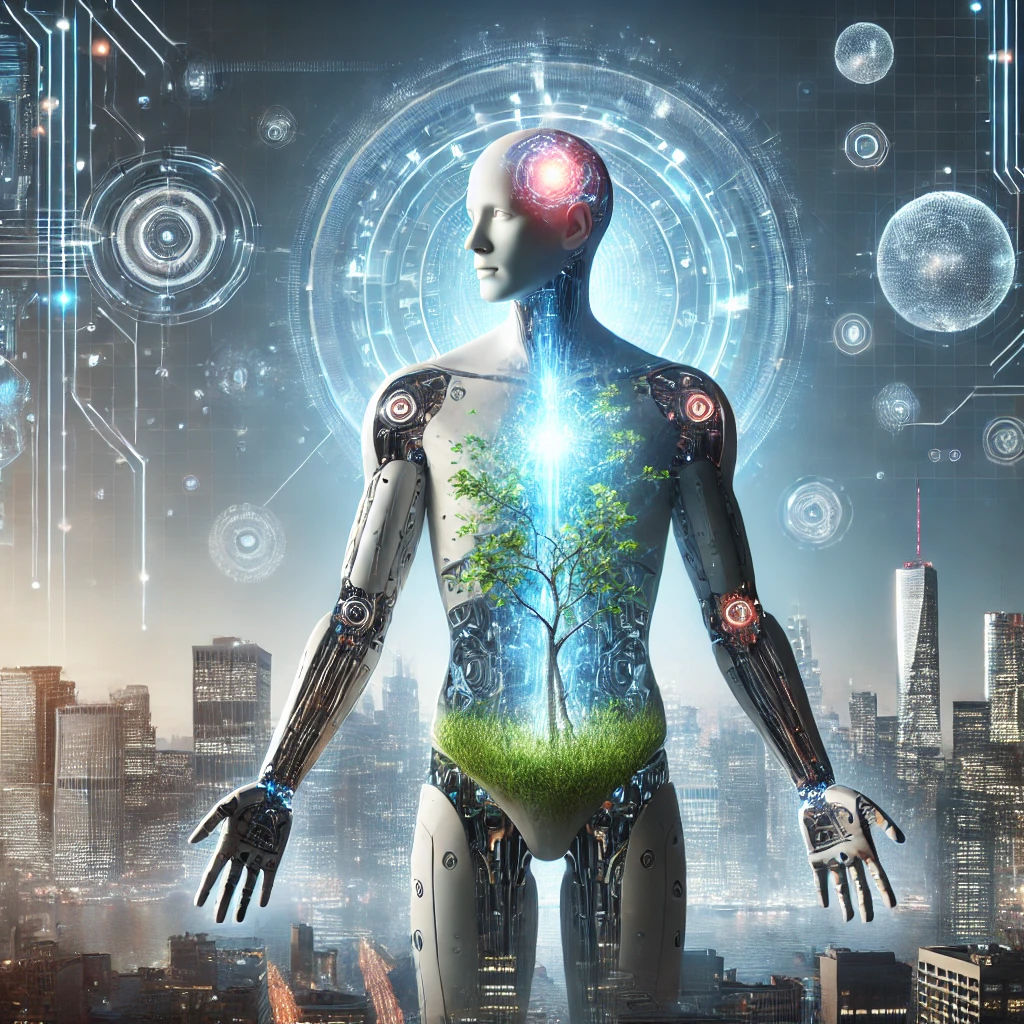

Transhumanism is a provocative movement that seeks to transcend the biological limitations of humanity through advanced technologies, promising to challenge the very essence of aging and even death. During a recent transhumanist debate at the Institute of Art and Ideas, critics voiced significant concerns about the ethical implications of such aspirations, while advocates argued for the potential of technology to deliver what could be termed “technology and eternity.” Those in favor of transhumanism proclaim it as a means to alleviate suffering, yet this outlook raises important questions about the future of humanity and the possible dangers of a world driven by artificial intelligence. The dialogue continues, with strong opinions on both sides, highlighting essential moral considerations within the unfolding transhumanist narrative. As the debate evolves, the grounds for criticism of transhumanism must be examined alongside the developments in AI and ethics that could define our existence in ways yet to be completely understood.
The pursuit of enhancing human capabilities through technological advancements is often described as human augmentation or post-humanism, involving radical ideas of improving intellect, extending physical functionality, and even achieving a form of digital immortality. This discourse gains momentum as thinkers and innovators explore concepts that intertwine science with ethical dilemmas, focusing on how far we are willing to go to redefine what it means to be human. Central to this discussion is the critique around the implications of merging humanity with machines, a point raised in the context of the transhumanism movement’s interaction with biotechnological advancements. As we navigate through this complex intersection, the visions laid out resonate with questions surrounding identity and human agency. Advocates and opponents alike engage in dialogues that not only address the potential benefits but also highlight the need for cautious exploration of our relationship with technology.
Understanding Transhumanism: Ideals and Controversies
Transhumanism is a philosophical and cultural movement that advocates for transforming the human condition through advanced technologies. Its proponents believe that through innovation, especially in fields like artificial intelligence and biotechnology, humans can transcend their biological limitations. This can include eradicating diseases, enhancing physical and cognitive abilities, and even defeating aging. However, such ideals have sparked intense debates among philosophers, ethicists, and scientists, highlighting the movement’s complex nature and the potential ethical dilemmas associated with it.
Critics argue that transhumanism often leans towards unrealistic expectations, suggesting that it promotes a superficial understanding of what it means to be human. For some, it raises vital questions about identity, meaning, and the ethics of technology. During discussions such as the recent debate at the Institute of Art and Ideas, key figures like neuroscientist Àlex Gómez-Marín expressed that transhumanism has taken on the characteristics of a cult-like belief system, rooted in a techno-existential crisis rather than genuine humanitarian motives.
The Transhumanist Debate: Bridging Perspectives or Ethical Missteps?
The transhumanist debate continues to gather momentum as advancements in technology prompt critical discussions about the future of humanity. On one side, advocates like Zoltan Istvan argue that transhumanism holds the potential to significantly improve humanity’s quality of life by eliminating the suffering caused by aging and disease. This perspective highlights the optimistic viewpoint that technology can lead to a radically improved existence, free from biological constraints.
Conversely, critics emphasize the risks that come with unchecked technological advancement, including the potential for social inequalities—where only the wealthy can afford life-extending enhancements. This concern underscores the notion that transhumanism could exacerbate societal divides rather than unify humanity. Figures like philosopher Susan Schneider caution that the allure of digital immortality distracts from pressing issues such as privacy, access to technology, and informed consent in the age of AI.
Technology: The Key to Immortality or a New Form of Control?
The belief that technology can grant humanity eternal life poses fundamental ethical questions regarding control and survival. While technologists believe that innovations, such as genetic engineering and neuro-enhancement, could provide solutions to aging, critics warn that these technologies might lead to new forms of control over human life. The conversation shifts from simply extending life to questioning who gets to leverage these advancements, and at what cost.
The insights from the debate participants highlight the contrasting visions for humanity’s future. Adam Goldstein points out that instead of succumbing to the narrative of doom or salvation, society should focus on how we want to design our future. This includes making informed choices about the governance of technologies that could redefine the human experience. The objective should not just be about achieving immortality but about ensuring that these advancements are used to promote collective well-being rather than merely the interests of a few.
AI and Ethics: Navigating a Cooperative Future
As the integration of artificial intelligence into our lives continues, the ethical implications of this technology become increasingly relevant in the transhumanist discourse. With AI systems rapidly evolving, the future of humanity hinges on how we choose to interact with and govern these technologies. The debate emphasizes the need for a cooperative rather than adversarial relationship with AI, proposing that ethical frameworks should be established to guide the development and application of these technologies.
The concern is not solely about the technology itself but also about the societal values that dictate its progression. As AI surpasses human intelligence, the focus must shift to creating inclusive governance structures that prioritize ethical decision-making and address potential biases. Ensuring that humanity’s trajectory aligns with compassionate and equitable principles is essential for any future that embraces transhumanist values.
The Philosophical Underpinnings of Transhumanism
At its core, transhumanism is steeped in philosophical inquiries pertaining to human existence and what it means to be human. Thinkers like Julian Huxley and Max More have laid the groundwork for this movement, positing that human enhancement is not only possible but necessary for progress. The philosophical implications of striving for an enhanced human condition provoke serious examination of existential themes, which resonate deeply in today’s technologically saturated world.
The discourse around transhumanism challenges established norms about life, mortality, and identity. Critics insist that a purely technological view of humanity could lead to a disconnection from the more profound aspects of the human experience. This philosophical divide raises crucial questions about whether prioritizing technological advancement over humanistic values risks alienating individuals from their essential selves.
The Role of Neuroscience in the Transhumanist Movement
Neuroscience plays a pivotal role in the transhumanist vision, as advancements in brain science present potential pathways for human enhancement. The understanding of neural processes opens up possibilities for cognitive enhancements that were previously unimaginable, leading to significant philosophical considerations about consciousness and self. Proponents argue that harnessing this science could enable individuals to not only improve their cognitive abilities but also to potentially upload consciousness, a concept that has become a contentious point in transhumanist discussions.
However, neuroethical concerns arise when discussing the implications of altering or enhancing human cognition. The distinction between enhancement and humility is challenged, raising critical dialogue about the importance of cognitive diversity and the essence of human learning and growth. This ongoing discourse emphasizes the need for ethical frameworks to explore the potential consequences of combining neuroscience with transhumanist goals.
Gender and Transhumanism: Exploring Inclusivity
Transhumanism presents an opportunity for redefining gender identity and inclusivity through technological means. Advocates suggest that technology could enable individuals to transcend traditional gender boundaries, offering a pathway for those seeking to reshape their identities outside of societal norms. This approach aligns with a broader understanding of humanity that embraces diversity and supports self-definition.
Nevertheless, critics caution that such aspirations might obscure challenges faced by marginalized groups within the transhumanist framework. The movement risks becoming a platform predominantly accessible to certain demographics, potentially alienating others from the conversation. Engaging in inclusive discussions about gender within transhumanism is crucial to ensure that advancements do not overlook or undermine the voices and rights of those historically marginalized.
Criticism of Transhumanism: A Call for Caution
Various criticisms of transhumanism emphasize the movement’s inclination towards a utopian vision that may overlook the complexities of human life. Some philosophers argue that the quest for immortality could diminish the value of life itself, leading to a paradox where the pursuit of endless existence becomes a form of escapism from the very essence of humanity. Critics maintain that this philosophical approach poses risks that could potentially alienate individuals from their natural existence.
Moreover, as the movement attracts attention from media and public discourse, ethical concerns regarding the potential consequences of prioritizing technological enhancement must be addressed. Questions surrounding equity, accessibility, and the risk of commodifying human experiences gain prominence in the narrative, urging proponents to consider their goals in light of the wider societal implications. A balanced approach toward transhumanism may be necessary to avoid the pitfalls of an overly technological and disconnected view of life.
The Future of Humanity: Engaging with Transhumanist Vision
As humanity stands on the brink of remarkable technological advancements, the transhumanist vision offers intriguing possibilities for the future. While debates surrounding transhumanism often highlight potential risks and ethical dilemmas, they also spur discussion about the opportunities presented by technology. The future of humanity may involve embracing these innovations while ensuring that we retain a grasp on what it means to be human.
The key to realizing a beneficial transhumanist future lies in constructive dialogue among technologists, ethicists, and the general public. Continuous engagement in these discussions is essential to navigate choices regarding technology that align with broader human values. Ultimately, the transhumanist vision should be pursued with both caution and optimism, aiming to empower humanity while carefully weighing the ethical considerations that accompany such transformative changes.
Frequently Asked Questions
What is transhumanism and what does it seek to achieve?
Transhumanism is a movement that aims to enhance the human condition by overcoming biological limitations such as aging and death through technology. Advocates believe that advancements in biotechnology and artificial intelligence can help humanity transcend its current state, potentially achieving a form of immortality.
How has the recent transhumanist debate influenced perceptions of technology and humanity’s future?
The recent transhumanist debate, featuring philosophers and scientists, highlighted a division between supporters who view technology as a means to improve human life, and critics who see it as a potential threat. This ongoing discussion emphasizes the need to critically assess not just technological advancements, but the underlying philosophies that drive these developments.
What are some criticisms of transhumanism raised by its opponents?
Critics of transhumanism argue that it operates as a pseudo-religion and promotes unrealistic fantasies about immortality. They express concerns regarding the potential for technological advancements to reduce human existence to mere technical systems, sidelining important questions about identity, meaning, and the ethical implications of merging humans with machines.
How do transhumanists view death and aging, according to the recent discussions?
Transhumanists tend to view aging as a disease that can be cured through technology, with proponents arguing that overcoming death is not just desirable but achievable. They believe that technological advancements can significantly reduce or eliminate the suffering associated with biological limitations.
What ethical dilemmas surround transhumanism in relation to artificial intelligence?
The ethical dilemmas surrounding transhumanism and artificial intelligence include concerns about who benefits from technological advancements and the potential for exacerbating social inequalities. Critics caution that without careful governance and ethical considerations, the merging of humans with AI could lead to significant risks and a loss of human agency.
What role do transhumanism and technology play in shaping future policies?
Transhumanism and technology play a crucial role in shaping future policies, particularly in areas such as data privacy and access to emerging technologies. As the debate continues, it is vital to focus on creating policies that ensure equitable access and responsible use of technology to benefit all of humanity.
How do transhumanists respond to the criticism that they are promoting a death cult?
Transhumanists, like Zoltan Istvan, often reject the characterization of their movement as a death cult, arguing instead that it aims to alleviate suffering and enhance human life. They believe that seeking to overcome biological limitations is an expression of hope for humanity, rather than a denial of the human condition.
What insights did philosopher Susan Schneider provide during the debate on transhumanism?
Philosopher Susan Schneider, who previously identified as a transhumanist, emphasized the distinction between using technology for health enhancement and the more radical idea of uploading consciousness. She cautioned that claims of achieving digital immortality can distract from pressing concerns related to technology governance and policy.
What is the significance of shifting the focus in the transhumanism debate toward design and governance of technology?
Shifting the focus towards the design and governance of technology, as suggested by AI researcher Adam Goldstein, is significant because it encourages proactive thinking about the potential futures created by technological advancements. It emphasizes the importance of making intentional choices that could steer humanity towards beneficial outcomes rather than fear-based responses.
How does the transhumanist debate reflect broader societal concerns about technology and the future?
The transhumanist debate reflects broader societal concerns about the intersection of technology, ethics, and the future of humanity. As advancements in AI and biotechnology accelerate, these discussions illuminate the need for a thoughtful approach to technology development, ensuring it serves the collective good while addressing critical ethical and existential questions.
| Key Points | Details |
|---|---|
| Transhumanism Definition | A movement aimed at overcoming aging and death through technology. |
| Recent Debate | Held at the Institute of Art and Ideas, focusing on criticisms of transhumanism. |
| Criticism from Scholars | Philosopher Àlex Gómez-Marín described transhumanism as a ‘death cult’ and ‘pseudo-religion’. |
| Proponents vs Critics | Proponents believe technology can save humanity from death; critics warn against unrealistic ideas of immortality. |
| Key Speakers | Panel included Gómez-Marín, Susan Schneider, Adam Goldstein, Zoltan Istvan. |
| Technological Concerns | Critics argue merging humans with machines may compromise human identity and agency. |
| Future Considerations | Focus should be on governance and design choices for AI, rather than fear-driven tactics. |
| Transhumanism’s History | Coined in the mid-20th century; expanded by thinkers like Julian Huxley and Ray Kurzweil. |
| Ethical Implications | Debate centers around whether transhumanism is humanitarian progress or ethical misstep. |
Summary
Transhumanism is a critical and transformative movement that delves deep into the implications of using technology to transcend human limitations. This ongoing debate explores both the potential and perils of pushing the boundaries of human existence. As advancements in biotechnology and AI continue to evolve, it is essential to address the ethical and philosophical questions surrounding this movement, ensuring that discussions focus not only on technological possibilities but also on the fundamental aspects of human identity and agency.
Related: More from Regulation & Policy | UK Gambling Regulator Examines Cryptocurrencies for Licensed Bettors in Crypto Regulation | Blocks Retreat Signals Broader Payments Shifts