
Top 3 Price Predictions: Bitcoin, Gold, and Silver
In the labyrinth of financial markets, three assets often steal the spotlight due to their unique roles and historical significance: Bitcoin, Gold, and Silver. Each of these assets carries its own set of drivers, but they often converge in the areas of hedging against inflation, speculative investment, and stores of value. As we navigate through a tumultuous economic landscape marked by inflation concerns, technological advances, and shifting monetary policies, it becomes paramount to assess the future trajectories of these renowned assets.
1. Bitcoin: The Digital Gold
Bitcoin, often heralded as the digital counterpart to gold, continues to captivate the investment world with its promise of decentralization and finite supply. Having been through significant highs and lows, Bitcoin’s price trajectory is notably influenced by factors such as regulatory news, adoption by companies and countries, technological advancements like upgrades in its protocol, and macroeconomic factors that affect liquidity in global markets.
Price Prediction for Bitcoin
Looking ahead, Bitcoin stands at a critical junction. The increasing recognition of Bitcoin as a legitimate asset class by financial institutions could serve as a significant bullish catalyst. Moreover, the integration of Bitcoin into payment systems and its increasing use as a tradeable asset suggests a broader acceptance which might reduce volatility over time.
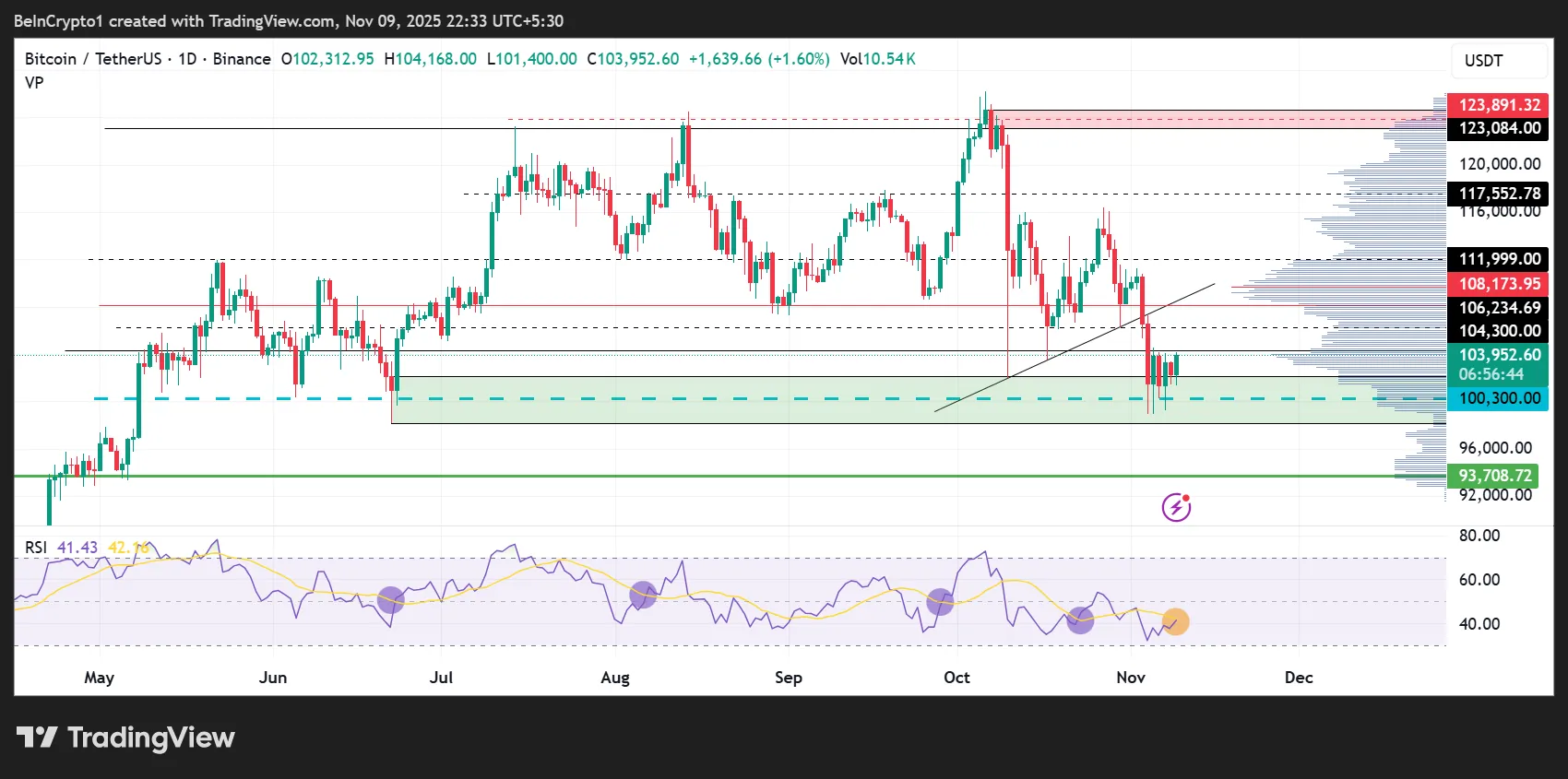
However, challenges in the form of regulatory crackdowns, competition from other cryptocurrencies, and technical vulnerabilities continue to pose risks. Considering these elements, expert analyses and predictive models using algorithms suggest that Bitcoin could see a price range of $50,000 to $70,000 by the end of 2023. This prediction assumes that the current rate of institutional adoption continues and that there are no significant regulatory setbacks.
2. Gold: The Eternal Store of Value
Gold has long been revered as a safe haven and a hedge against inflation and currency devaluation. Its price is influenced by a variety of factors including central bank policies, macroeconomic indicators, interest rates, and geopolitical tensions.
Price Prediction for Gold
The ongoing economic recovery, coupled with increased inflation concerns, could continue to drive investors towards gold. Central banks worldwide have been net purchasers of gold, which underpins its demand. Moreover, with uncertainties looming over the global economy due to potential new strains of viruses and geopolitical tensions, gold remains a preferred choice for risk-averse investors.
Assuming that there is no substantial improvement in the yield offered by other financial instruments, and considering the possible increase in inflation rates, gold could potentially climb to the range of $2,000 to $2,200 per ounce by the end of 2023.
3. Silver: The Affordable Precious Metal
Silver, often in the shadow of gold, has its own appeal due to its dual characteristics as both a precious and an industrial metal. Its demand is driven significantly by industrial sectors including electronics and solar energy, besides investment demand.
Price Prediction for Silver
Silver’s prospects appear bright, bolstered by the global push towards renewable energies and technologies requiring silver inputs. However, silver is also more volatile than gold due to its lower market liquidity and greater industrial usage.
Taking into account the rising industrial demand and ongoing investment demand, silver could see its price moving between $25 to $30 per ounce by the conclusion of 2023. This prediction banks on continued industrial recovery and sustained investor interest in precious metals as a hedge against potential currency devaluation and inflation.
Conclusion
Predicting the prices of Bitcoin, gold, and silver involves considering a spectrum of factors ranging from macroeconomic trends to geopolitical risks. As 2023 unfolds, investors would do well to keep an eye on these indicators, along with regulatory changes and technological advances that could significantly sway market sentiments and pricing dynamics in these assets. As always, a balanced and well-researched approach will be crucial in navigating the investment landscape for these traditional and modern stores of value.
Related: More from Bitcoin News | BTC Surges Above $71K Amidst Middle East Tensions in Bitcoin | Bitcoin ETF Inflows Fail to Boost Price: Analyst Explains Why