

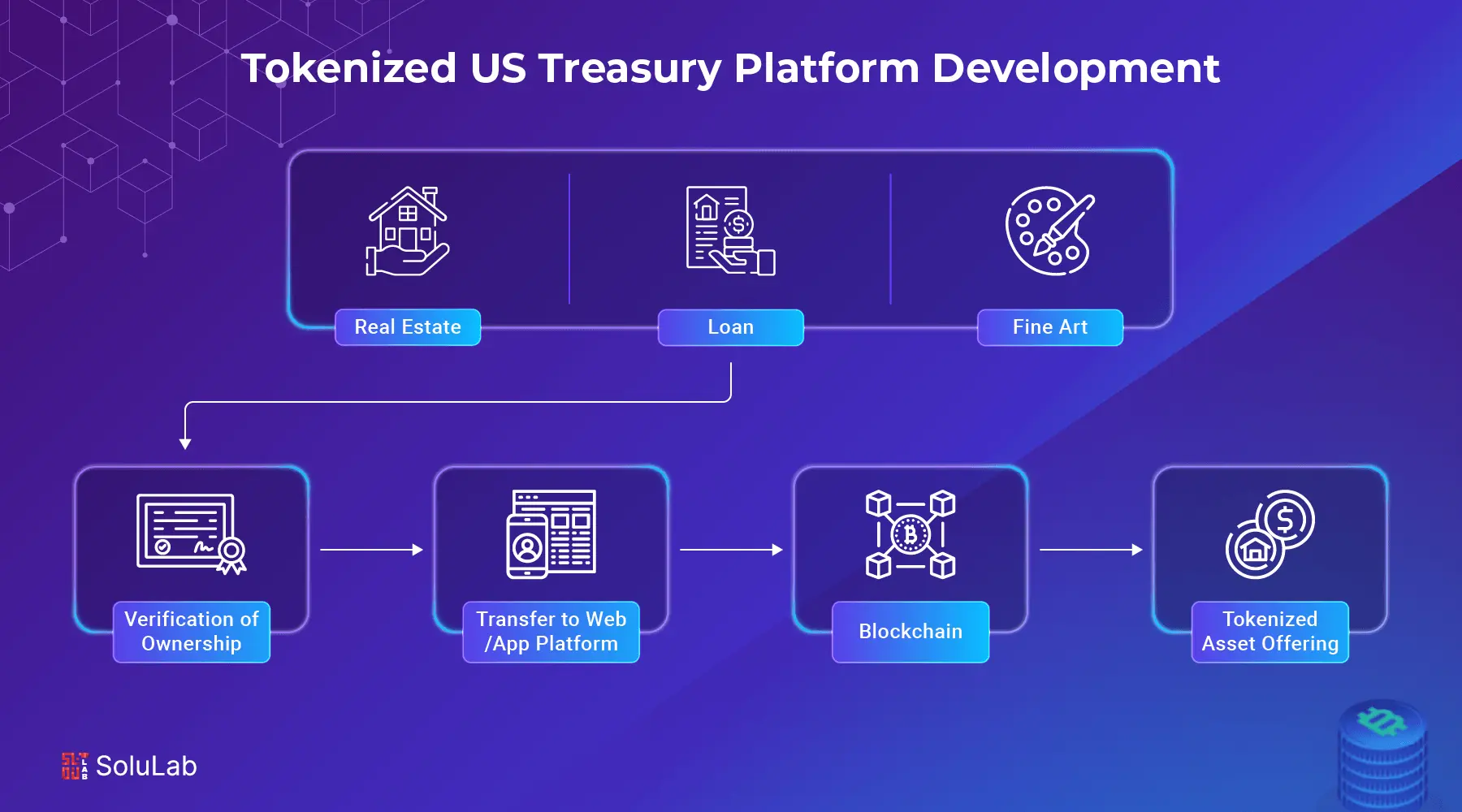

Tokenized Treasuries have emerged as a disruptive force in the financial landscape, soaring by an astonishing 125% and igniting a surge of interest among institutional funds and banks. This rapid growth is reshaping the tokenization market, where programmable cash is becoming the norm, allowing for smoother transactions and enhanced liquidity. As Ethereum continues to dominate the realm of tokenized real-world assets (RWAs), traditional players are scrambling to adapt to this innovative technology, keen on replicating its success. With on-chain collateral reaching nearly $9 billion, tokenized Treasuries provide a glimpse into the future of finance, where transactions can occur 24/7 without intermediaries. As the market evolves, the integration of tokenized assets into mainstream finance represents not just an opportunity for growth, but a significant shift towards more equitable and accessible financial systems.

In the realm of innovative finance, digital representations of traditional financial instruments are making waves—most notably, tokenized government bonds. These assets are not merely currency; they signify a leap towards creating programmable financial systems that integrate seamlessly with blockchain technology. With Ethereum as the leading platform for such digital assets, institutional investors are recognizing the potential of these tech-driven instruments to enhance their portfolios. Embracing the tokenization of real-world assets (RWAs), including tokenized bonds, signifies a pivotal moment for large-scale financing strategies, creating an ecosystem where efficiency and transparency flourish. As this space expands, it provides an essential framework that supports the evolving landscape of institutional cash management.
The Rise of Tokenized Treasuries: A New Financial Landscape
Tokenized Treasuries have seen an unprecedented surge of 125%, marking a transformative shift in how financial institutions are approaching asset management and investment. This remarkable growth highlights the growing acceptance of tokenization in mainstream finance, which is not just a trend but a new paradigm. As banks and other institutions scramble to replicate this success, the implications for the financial landscape are profound. The shift towards tokenized assets, particularly Treasuries, showcases a growing confidence in programmable cash mechanisms, which automate processes and enhance liquidity.
This surge in tokenized Treasuries has also led to the exploration of broader tokenization of Real-World Assets (RWAs), pushing the boundaries of traditional finance. Institutions are increasingly seeing the potential of on-chain assets, facilitated by platforms like Ethereum, which dominate the tokenization market. As tokenized Treasuries integrate seamlessly with digital wallets and smart contracts, they allow for instant transactions and programmable financial solutions, enticing institutional funds to consider moving their operations into this innovative ecosystem.
Understanding Programmable Cash and Its Impacts
Programmable cash represents a significant advancement in financial technology, whereby digital assets can be programmed to automate transactions and enforce rules directly within the blockchain framework. This concept is crucial in the growth of tokenized Treasuries, where smart contracts can govern interest payments and manage redemption processes without intermediaries. The efficiency gains from these automated processes appeal directly to institutional investors seeking reliable and scalable solutions for their investment needs.
Moreover, programmable cash enhances the overall user experience by providing transparency and reducing the complexities traditionally associated with asset management. As institutions leverage these technologies, the advantages become evident—not only can they ensure compliance with regulations, but they can also engage in real-time financial activities, thus increasing their operational efficiency. Overall, tokenized Treasuries exemplify how programmable cash is reshaping the financial industry by enabling institutions to innovate rapidly.
Tokenization Market Dynamics and Growth Trajectories
The tokenization market is experiencing significant growth, driven by the proliferation of tokenized real-world assets (RWAs). As highlighted by recent data, the market reached $19.72 billion, drawing attention to the various segments within the ecosystem, including tokenized Treasuries, commodities, and institutional funds. Tokenized Treasuries, in particular, have become a focal point, driving innovations in how assets are represented and traded on blockchain networks. This crucial shift indicates a broader acceptance of digital assets in traditional finance.
As institutional funds increasingly adopt tokenized models, the market is expected to expand dramatically. Research predicts that the total value of distributed RWAs could potentially reach between $30.8 billion to $57.0 billion within the next few years. Factors fueling this growth include the increasing demand for transparency, the need for greater liquidity in secondary markets, and the maturation of regulatory frameworks. Institutions are now recognizing the potential of bundled offerings involving tokenized assets as they look to diversify their portfolios and capture new opportunities.
Institutional Adoption of Tokenized RWAs: A Case Study
The case of BlackRock’s BUIDL fund, which has allocated over $2 billion to tokenized real-world assets, serves as a strong indicator of how institutional players are embracing this technological shift. With substantial dividends distributed and ongoing innovation in asset management practices, the adoption of tokenized RWAs is on a steep upward trajectory. This case demonstrates how aligning traditional investment vehicles with tokenization strategies can lead to more efficient capital allocations and enhanced yield generation.
In addition, JPMorgan’s recent launch of its MONY tokenized money market fund on Ethereum showcases the strategic interest institutions are taking in this new frontier. By leveraging advanced blockchain technologies, institutions such as JPMorgan are able to streamline operations and increase the appeal of their funds to a broader base of investors, thus enhancing liquidity options in what has historically been a highly regulated and less adaptable market.
The Role of Ethereum in Tokenization and Financial Innovation
Ethereum remains at the forefront of the tokenization revolution, holding a significant share of the distributed RWA market. The platform’s versatility and support for smart contracts make it the ideal choice for institutions seeking to tokenize assets, including Treasuries and other investment vehicles. With over $12.6 billion in tokenized assets, Ethereum’s capabilities allow for innovative financial products that cater specifically to institutional needs, reinforcing the platform’s dominance in the blockchain sphere.
Furthermore, the expansion of Ethereum’s ecosystem has attracted a host of new projects aimed at enhancing the functionality of tokenized assets. As the market matures, Ethereum’s role will only grow, offering more tools for developers and institutions to create advanced financial solutions. The integration of tokenized Treasuries and programmable cash mechanisms within the Ethereum network signifies a paradigm shift in how capital markets operate, ultimately paving the way for a more efficient and accessible financial future.
Challenges and Opportunities in the Tokenization Ecosystem
Despite the rapid growth of tokenized assets, several challenges loom over the ecosystem. Regulatory clarity remains a significant hurdle for widespread adoption as participants navigate compliance issues in an evolving legal landscape. Furthermore, liquidity is often concentrated within a few major players in the market, leading to concerns about the performance and accessibility of tokenized instruments. These challenges highlight the need for concerted efforts from stakeholders to create a more balanced and resilient tokenization market.
On the other hand, these challenges present unique opportunities for innovation. Companies willing to address regulations head-on and build robust secondary markets could capitalize on the significant demand for tokenized assets. As institutions look to increase their engagement with tokenized RWAs, solutions that enhance liquidity, offer transparency, and ensure compliance will likely attract substantial interest, leading to a more mature and diverse tokenization ecosystem.
Exploring the Future of Distributed RWAs Beyond 2027
Looking ahead, the future of distributed RWAs seems poised for substantial growth, with projections estimating that the market could reach between $30.8 billion and $57.0 billion by the end of 2027. This anticipated expansion will largely depend on the advancements in infrastructure and regulatory frameworks necessary to support such a diverse market. The key to achieving these projections lies in successfully integrating tokenized Treasuries and other assets into established blockchain environments while ensuring a smooth user experience.
In addition to infrastructure improvements, wider acceptance of blockchain technologies among traditional financial institutions is crucial. As the integration of tokenized assets becomes more common, the financial landscape will undergo significant transformations, showcasing the importance of adaptability and innovation in meeting the evolving needs of institutional investors. The journey towards a fully realized tokenization market will undoubtedly present new challenges, but the potential rewards are immense for those who can navigate this ever-changing terrain.
Tokenized Commodities: The Growth of Digital Assets
Tokenized commodities, particularly gold, have experienced significant growth as institutional investors recognize their potential as alternative investments. The increase in value, from about $1.06 billion to nearly $4 billion in a short span, underscores the trend of moving tangible assets onto blockchain platforms. With tokenized forms of gold such as PAXG and XAUT leading the market, this segment showcases the broader acceptance of commodities in digital forms as investors seek safe havens and hedges against inflation.
The success of tokenized commodities also reflects a growing interest in the liquidity and fractional ownership capabilities that tokenization offers. This unlocks new opportunities for investors who may not have access to traditional commodity markets or who prefer the advantages of managing digital assets. As tokenized commodities continue to gain traction, the implications for the financial marketplace are substantial, paving the way for an integrated model of exchanging traditional and digital assets.
The Impact of Regulatory Frameworks on Tokenized Assets
Regulatory frameworks play a crucial role in the evolution of the tokenization market. As governments and regulatory bodies around the world grapple with the implications of digital assets, the establishment of clear guidelines will be essential for fostering innovation while ensuring investor protection. Recent developments indicate a more favorable regulatory environment conducive to tokenized assets, enabling institutions to confidently explore the potential of tokenization without the fear of legal repercussions.
However, the complexity of regulations presents an ongoing challenge. Institutions must not only comply with jurisdictional requirements but also navigate varying regulatory landscapes as they expand their tokenized offerings internationally. Balancing compliance with innovation will ultimately determine the pace at which tokenized Treasuries and other assets gain acceptance in mainstream finance, underscoring the need for strategic partnerships and legal expertise within the sector.
Frequently Asked Questions
What are Tokenized Treasuries and why are they significant in today’s market?
Tokenized Treasuries represent US Treasury securities converted into digital tokens on blockchain platforms like Ethereum. Their significance lies in their ability to facilitate programmable cash, allowing for automated interest payments and peer-to-peer transactions without intermediaries. This innovation enhances liquidity and enhances transparency in financial transactions.
How do Tokenized Real-World Assets (RWAs) relate to Tokenized Treasuries?
Tokenized RWAs encompass various assets, including Tokenized Treasuries, which use blockchain technology to enhance tradability and transparency. The growing market for Tokenized Treasuries, now valued at over $8.86 billion, showcases how traditional securities are evolving into programmable assets within the tokenization market.
What role does Ethereum play in the Tokenization market, particularly for Tokenized Treasuries?
Ethereum dominates the Tokenization market, housing the majority of Tokenized Treasuries. Its smart contract functionality allows for the automation of processes like interest payments and redemptions, significantly enhancing the efficiency of transactions involving tokenized assets.
Why are institutional funds increasingly investing in Tokenized Treasuries?
Institutional funds are investing in Tokenized Treasuries due to their attractive yields ranging from 8% to 12% and the reduction of friction in secondary trading. The programmable features of these treasury tokens align with institutional goals for compliance and transparency, prompting a rapid increase in market growth.
What are the potential risks associated with Tokenized Treasuries and the broader Tokenization market?
Potential risks of Tokenized Treasuries include low liquidity and reliance on the issuer for secondary market access. As the infrastructure supporting the Tokenization market evolves, regulatory clarity around custody and collateral management is necessary to avoid market disruptions.
How has the growth of Tokenized Treasuries impacted the overall distributed RWA market?
The explosive growth of Tokenized Treasuries, which surged by 125%, has significantly contributed to the overall expansion of the distributed RWA market, which reached close to $20 billion. This growth reflects a shift towards adopting blockchain technology in managing traditional asset classes.
What factors could influence the future growth of Tokenized Treasuries by 2027?
Future growth of Tokenized Treasuries could be influenced by regulatory advancements, increased venues for compliant secondary trading, and broader integration of tokenized assets in on-chain credit protocols. Projections estimate that distributed RWAs could reach between $30.8 billion to $57.0 billion, depending on market conditions and infrastructure development.
How do smart contracts enhance the utility of Tokenized Treasuries?
Smart contracts significantly enhance the utility of Tokenized Treasuries by automating transactions such as interest payments and redemptions, thus enabling 24/7 accessibility. This programmability shifts traditional cash management paradigms, making tokenized treasuries more efficient and accessible to investors.
What are some examples of institutions involved in the Tokenized Treasuries market?
Prominent institutions such as BlackRock and JPMorgan are leading the charge in the Tokenized Treasuries market. BlackRock’s BUIDL fund and JPMorgan’s MONY fund are prime examples of institutional initiatives embracing the tokenization of treasury assets.
What does the term ‘programmable cash’ mean in relation to Tokenized Treasuries?
‘Programmable cash’ refers to the capacity to automate and manage cash flows through programmable features embedded in tokenized assets like Tokenized Treasuries. This allows for efficient, automated transactions that can function without traditional banking intermediaries, enhancing the overall efficiency of financial systems.
| Key Point | Details |
|---|---|
| Tokenized Treasuries Growth | Increased by 125% to $8.86 billion by January 2026. |
| Programmable Cash | Tokenized Treasuries function as programmable cash, enabling smart contracts for interest payments and peer-to-peer token transfers. |
| Market Dominance | US Treasuries and money market funds dominate tokenized RWAs with $8.86 billion on-chain collateral. |
| Initiatives by Major Institutions | JPMorgan launched MONY, a tokenized money market fund on Ethereum. BlackRock’s BUIDL fund has distributed $100 million in dividends. |
| Growth in Other Segments | Tokenized commodities and public stocks saw substantial growth, with commodities driven largely by gold, and public stocks reaching $801 million. |
| Future Projections | Distributed RWAs could reach between $30.8 billion to $57 billion by 2027 depending on annual growth rates and regulatory developments. |
Summary
Tokenized Treasuries have emerged as a significant breakthrough in the financial sector, showcasing a 125% growth that indicates a robust adoption of programmable cash solutions. These tokenized assets streamline payments and enhance liquidity, prompting financial institutions to replicate their success. As the market for tokenized Treasuries continues to evolve, the implications for financial transactions and institutional investments are profound, paving the way for more innovative solutions in the global economy.
Related: More from DeFi & Stablecoins | Aixovia Burns 90,357,968 AIXDROP Tokens On-Chain Proof | Arthur Hayes Liquidates DeFi Tokens: A $3.48 Million Loss You Should See