
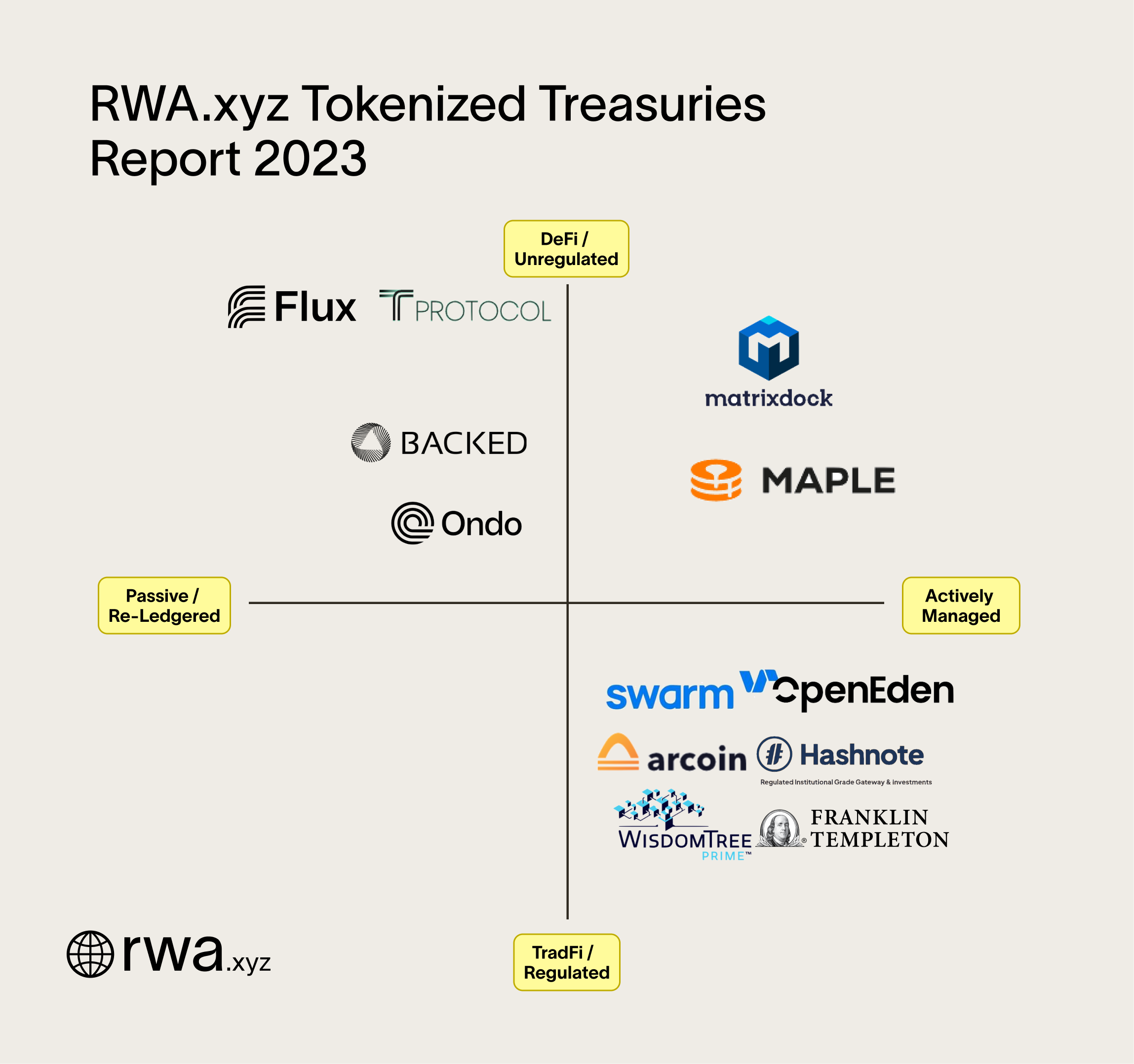

Tokenized Treasuries are rapidly transforming the landscape of financial assets, demonstrating the power of innovation in the digital age. Recently, this market has surpassed $10 billion in total value, spurred on by the growing popularity of platforms like Circle’s USYC and its competitive edge over bitcoin-etfs/" class="bpay-semantic-link" style="color:#0a7a64; font-weight:700; text-decoration:none;" target="_blank" rel="noopener">BlackRock’s BUIDL. What’s fueling this growth is not just marketing prowess but also sophisticated collateral mechanisms that enhance the utility of these assets in crypto trading. As institutions seek yield-bearing collateral that operates seamlessly in tandem with crypto ecosystems, tokenized Treasuries are emerging as a viable alternative to traditional financial products. By integrating these assets into existing operational frameworks, businesses can unlock unprecedented efficiency and profitability within the realm of digital finance.
Digital representations of government securities, often referred to as tokenized Treasuries, are reshaping investment strategies within the cryptocurrency landscape. This innovative approach enables investors to leverage stable, yield-bearing assets integrated into blockchain ecosystems. Recent developments reveal that products like Circle’s USYC have outperformed legacy options such as BlackRock’s BUIDL in terms of market capitalization and usability. The competition for supremacy in the tokenized Treasury space is no longer just about brand strength; it’s about creating efficient, accessible collateral systems that drive investment flows. As institutions adapt to this new paradigm, the evolution of tokenized securities signals a shift towards more flexible financial instruments that align with the demands of modern trading practices.
| Aspect | USYC | BUIDL |
|---|---|---|
| Total Assets (AUM) | $1.69B | $1.684B |
| Growth over Past 30 Days | +11% | -2.85% |
| Minimum Investment Requirement | $100,000 USDC (non-US investors) | $5 million USDC (US Qualified Purchasers) |
| Income Structure | Accumulates | Distributes |
| Distribution Advantage | Integrated with crypto-native collateral systems, allowing seamless use with USDC | Limited integration and access, established brand without operational flexibility |
Summary
Tokenized Treasuries have reached a significant milestone of over $10 billion in total value, reflecting their evolution into a market-ready asset class. Circle’s USYC has overtaken BlackRock’s BUIDL to establish itself as the leading tokenized Treasury product, primarily due to its superior collateral mechanics and distribution capabilities. This shift underscores a critical transition in how financial products are structured and integrated within the crypto ecosystem, emphasizing the importance of operational efficacy over traditional brand recognition. As tokenized Treasuries continue to grow in popularity, they are set to redefine the landscape of yield-bearing assets in the blockchain world, catering to a broader audience of institutional investors.
The Rise of Tokenized Treasuries in the Digital Age
The tokenized Treasury market has witnessed a remarkable surge in value, crossing the $10 billion milestone and marking a significant transition from experimental concepts to established operational frameworks. This evolution highlights the increasing relevance of tokenized financial instruments, as they become not just an alternative to conventional assets but integral components of the digital asset ecosystem. As more investors turn toward on-chain solutions, the need for yield-bearing collateral becomes essential, positioning tokenized Treasuries as the logical choice for crypto institutions seeking reliable financial instruments.
Amid this growth, Circle’s USYC has emerged as a leader in the tokenized Treasury market. By leveraging innovative distribution models and integration with existing financial systems, USYC has outpaced competitors like BlackRock’s BUIDL. This not only underscores the market’s potential but also indicates a shift in investor preferences toward more adaptable and easy-to-integrate products. As tokenized Treasuries continue to mature, their role as programmable cash equivalents will likely further solidify their place within the broader cryptocurrency landscape.
Frequently Asked Questions
What are tokenized Treasuries and how do they relate to Circle and BlackRock?
Tokenized Treasuries are digital representations of U.S. Treasury securities, designed to function on blockchain platforms. Recently, Circle’s USYC has overtaken BlackRock’s BUIDL as the leading tokenized Treasury, showcasing a shift in market dynamics where effective collateral systems and distribution models now drive success over brand recognition.
How has Circle’s USYC gained an edge over BlackRock’s BUIDL in the tokenized Treasury market?
Circle’s USYC has gained an advantage by integrating into established collateral workflows and offering a more accessible entry point for investors, with much lower minimum investments compared to BlackRock’s BUIDL. This effective distribution, along with its accumulating income structure, positions USYC favorably in the evolving tokenized Treasury landscape.
What role do crypto collateral systems play in the success of tokenized Treasuries like USYC?
Crypto collateral systems enable institutions to utilize tokenized Treasuries as yield-bearing assets while minimizing operational complexities. USYC’s integration into these systems allows for seamless transactions and profitable use of cash flows, thereby making them more attractive to institutional investors.
Why did tokenized Treasuries surpass $10 billion in value recently?
The growth of tokenized Treasuries beyond the $10 billion mark is attributed to the increasing adoption of Circle’s USYC and the effectiveness of its distribution and collateral mechanisms. This rise signifies a shift from mere experimentation to robust operational infrastructure, particularly as institutions seek yield-bearing collateral within the crypto ecosystem.
What is the significance of the recent $10 billion milestone for tokenized Treasuries?
The $10 billion milestone for tokenized Treasuries reflects a significant transition in their acceptance as a standard financial instrument within the crypto space. It indicates a growing trend where institutions are increasingly viewing these Treasuries as viable alternatives for generating yield without exiting the crypto environment.
How do entry requirements differ between USYC and BUIDL tokenized Treasuries?
USYC has lower entry barriers, requiring a minimum investment of $100,000, which makes it accessible to a wider range of investors, including non-US institutions. In contrast, BUIDL demands a minimum of $5 million from U.S. Qualified Purchasers, limiting its appeal and participant pool in comparison.
What implications does the competition between USYC and BUIDL have for future tokenized Treasury products?
The competition between USYC and BUIDL suggests that future tokenized Treasury products will focus on enhancing distribution efficiency, reducing operational burdens, and improving integration with existing collateral systems. As the market evolves, infrastructure and workflow design will become critical for success over traditional brand power.
What impact does the integration of tokenized Treasuries have on the stablecoin market?
The integration of tokenized Treasuries within the stablecoin market creates a new category of programmable, yield-bearing cash equivalents. This development not only offers improved settlement times and operational efficiencies but also allows institutions to retain capital on-chain, effectively transforming how cash reserves are managed in the crypto space.
How might the tokenized Treasury market evolve in the coming years?
As tokenized Treasuries gain traction, they could potentially capture a larger share of the stablecoin supply, with predictions of growth to $40 billion to $60 billion as collateral systems improve and more institutional platforms adopt similar frameworks. This growth will depend on the ongoing development of access structures and integration capabilities.
What lessons can be learned from the recent performance of tokenized Treasuries?
Recent performance indicates that the success of tokenized Treasuries hinges on effective collateral mechanics and distribution strategies rather than solely on brand recognition. Institutions favor products that streamline operational processes and provide broader access, which may influence future developments in the tokenized Treasury landscape.
Related: More from DeFi & Stablecoins | Aixovia Burns 90,357,968 AIXDROP Tokens On-Chain Proof | Arthur Hayes Liquidates DeFi Tokens: A $3.48 Million Loss You Should See