

Tokenized Central Bank Currency (CeBM) is a transformative financial innovation being advanced by institutions like HSBC, promising to reshape the landscape of digital finance. As financial systems evolve, the potential of integrating Central Bank Digital Currency (CBDC) with instant payment systems highlights a new era of efficiency and security. HSBC’s efforts to explore the tokenization of deposits could result in a significant percentage, as little as 5-10%, of commercial bank deposits being converted into tokenized assets. This approach not only aims to enhance transaction speeds but also to create a digital infrastructure that rivals existing cryptocurrencies in terms of scale. With the support of the Hong Kong Monetary Authority (HKMA), the future of banking is gearing up to embrace the advantages of CeBM, paving the way for a more integrated financial ecosystem.

The evolution of digital currency is markedly characterized by terms such as tokenized money and digital fiat currency, which collectively represent a shift in our conventional understanding of finance. Institutions including HSBC are spearheading initiatives that clarify how these alternatives can enhance traditional banking systems. The dialogue surrounding the tokenization of bank deposits underlines the potential for a digital currency infrastructure that supports rapid payment settlements and adds resilience to financial transactions. This approach is expected to triumph over existing scales of cryptocurrency by leveraging the stability and trust associated with central banks. As developments unfold, the significance of tokenized national currencies becomes increasingly evident in creating a streamlined and secure financial network.
Understanding Tokenized Central Bank Currency
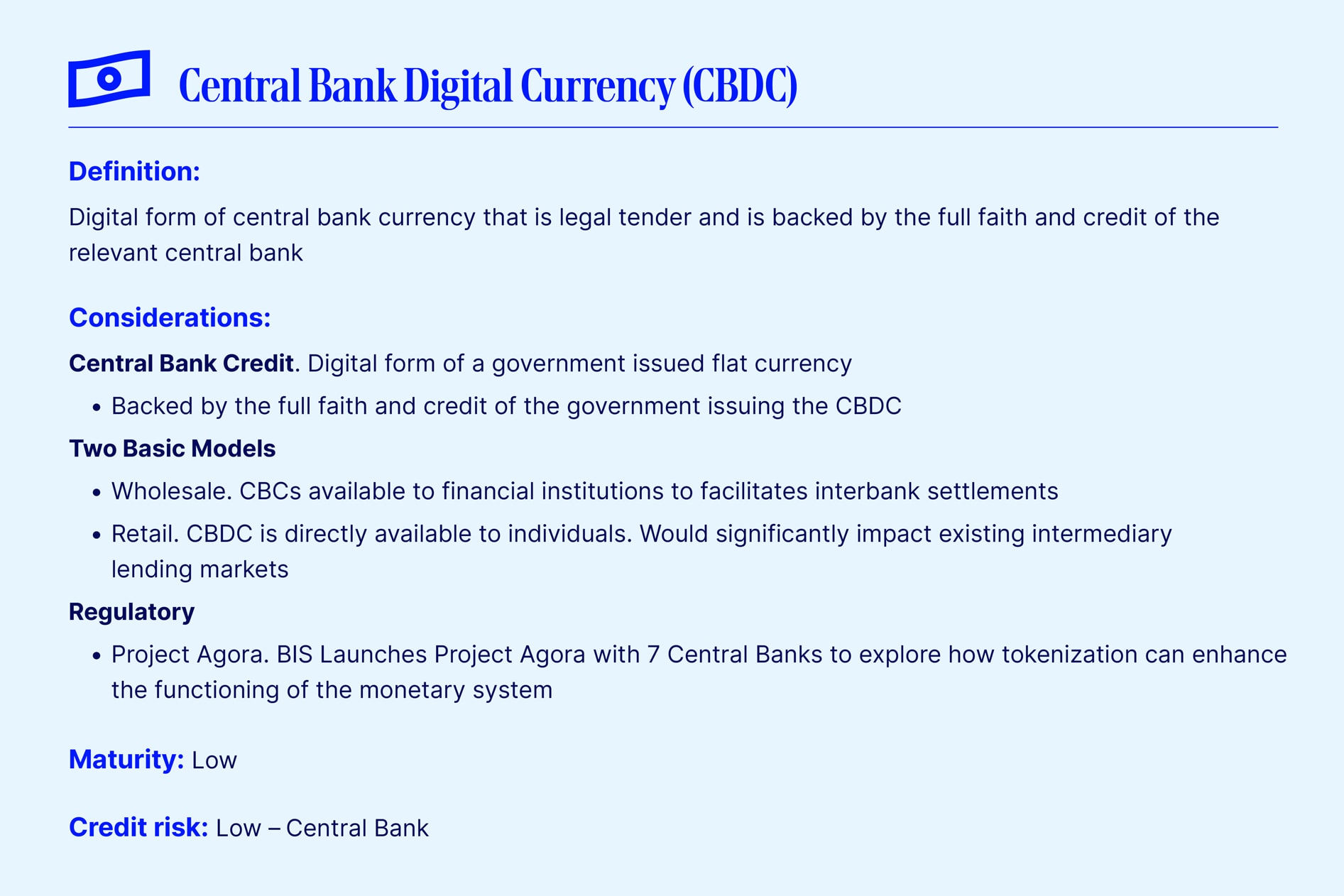
Tokenized Central Bank Currency (CeBM) represents an innovative approach towards the future of monetary transactions, aiming to integrate traditional banking systems with digital assets. Unlike Central Bank Digital Currency (CBDC), tokenized currency focuses on creating a digital representation of fiat money that can provide faster and more secure payments. This advancement is crucial as it lays the groundwork for enhanced financial systems that can better adapt to the digital economy’s rapid evolution.
As HSBC and the Hong Kong Monetary Authority explore the potential of CeBM, it becomes evident that this initiative extends beyond mere digitization; it aims to create a supporting framework for other payment systems like Real-Time Gross Settlement (RTGS) systems. The strategic development of this digital infrastructure ensures that it not only enhances transaction efficiency but also integrates with existing banking services, thereby benefiting both consumers and institutions alike.
The Future of Tokenization in Banking
The concept of tokenization, particularly as it pertains to commercial bank deposits, is gaining traction within the financial sector. HSBC has recognized that even a modest shift towards tokenized deposits—around 5% to 10%—could substantially impact the market, potentially outpacing the current scale of cryptocurrencies. This shift represents a significant advancement in how deposits can be utilized and managed, offering greater efficiency and security that aligns with modern consumer expectations.
The implementation of tokenized deposits is anticipated to transform traditional banking operations. By leveraging blockchain technology, banks could bolster transaction speeds and reduce costs associated with intermediaries. This possibility not only positions tokenized deposits as a viable alternative to cryptocurrencies but could also redefine customer experiences in banking, granting them superior access and control over their financial assets.
HSBC’s ongoing investments and developments in tokenization indicate a robust foresight into the future of banking, hinting at a transformation that may soon redefine standard deposit practices. The integration of blockchain and tokenization within a banking framework provides an avenue for enhanced security, transparency, and ultimately, a more accessible banking experience for consumers.
Key Advantages of Tokenization in Finance
Tokenization offers several advantages that could revolutionize the financial landscape. One of the primary benefits is the enhanced security that tokenized assets can provide. By converting traditional assets into digital tokens, it becomes exponentially harder for fraud to occur. This security feature is vital for maintaining consumer trust in an age where cyber threats are more prevalent than ever.
Moreover, tokenization facilitates increased liquidity and efficiency in transactions. Traditional banking systems often involve multiple steps that can slow down processes, especially cross-border transactions. With tokenized assets, transactions can be settled almost instantaneously, significantly reducing time and costs associated with traditional banking. This efficiency not only benefits banks but also greatly enhances the experience for customers seeking quick and reliable payment solutions.
The Role of HKMA in Tokenization Initiatives
The Hong Kong Monetary Authority (HKMA) plays a pivotal role in fostering the development of tokenization within the region’s banking sector. As a regulatory body, the HKMA is tasked with ensuring that innovations align with the overarching objectives of financial stability and consumer protection. Their proactive discussions with institutions like HSBC signal a commitment to exploring the potential benefits of Tokenized Central Bank Currency amidst a backdrop of evolving financial technologies.
By collaborating with banks on tokenization projects, HKMA sets the stage for a more streamlined approach to integrating digital assets into the financial system. These discussions could pave the way for clear guidelines surrounding tokenized deposits, ultimately bolstering innovation while maintaining regulatory vigilance. The fruitful collaboration between HKMA and banks can lead to advancements that enhance not only the stability of the banking ecosystem but also the overall financial infrastructure.
Implications of Tokenization for Cryptocurrency Markets
As the banking industry moves towards tokenization, it raises critical questions about the future of cryptocurrency markets. The potential for a significant segment of commercial bank deposits to be tokenized—potentially exceeding cryptocurrency values—could lead to a re-examination of the role cryptocurrencies play in the financial ecosystem. While cryptocurrencies have gained popularity as digital assets, the structured and regulated nature of tokenized deposits may appeal more to mainstream consumers and businesses alike.
Furthermore, as banks like HSBC embrace tokenization, the competitive landscape may shift dramatically. Consumers may gravitate towards tokenized banking solutions for their liquidity and reliability, potentially diminishing interest in unregulated cryptocurrencies. This shift could lead to a rebalancing in market prioritization, with a renewed focus on state-backed digital assets. It remains to be seen how this evolution will shape both regulatory frameworks and consumer practices in the years to come.
Exploring the Challenges in Tokenization
Despite the promising potential of tokenization, there are several challenges that banks and regulators must confront. Key among these is the development of a robust regulatory framework that can adapt to the rapid changes in technology. As new financial products emerge, regulatory bodies must ensure that consumer protections are in place while fostering an innovation-friendly environment. This balance between regulation and innovation is essential to prevent misuse while encouraging growth.
Additionally, the technical complexity associated with implementing tokenization systems cannot be overlooked. Financial institutions must invest in the right infrastructure and technology solutions to support tokenized transactions seamlessly. This requires not only financial resources but also expertise in blockchain and cybersecurity, posing a challenge for banks that may be slower to adopt these technologies. The successful navigation of these challenges will be critical for the widespread acceptance of tokenization in the banking industry.
How Tokenization Could Reshape Financial Transactions
Tokenization is set to fundamentally reshape how financial transactions occur, leading to a paradigm shift towards digital infrastructures that enhance user experience. With token-swapping, peer-to-peer transactions can become more commonplace, allowing users to transfer value with minimal friction and at comparatively lower costs. This efficiency can appeal to a broad base of consumers who are increasingly looking for convenience and immediacy in financial dealings.
Moreover, the transparent nature of tokenized transactions can enhance accountability within the financial system. As each token transaction can be traced on a blockchain, it allows for a more reliable audit trail, which can be beneficial for regulatory oversight and reducing instances of fraud. This newfound transparency may also encourage more users to engage with digital financial products, potentially broadening market participation.
The Intersection of Traditional Banking and Digital Assets
The intersection of traditional banking and digital assets presents a fascinating landscape that is evolving rapidly. As banks like HSBC delve into tokenization of deposits, they are not only harmonizing with technological advancements but also redefining the identity of banking. This integration can signify the future of finance where digital currencies coexist alongside fiat, offering consumers diverse options tailored to their specific needs.
However, for traditional banks to thrive in this new ecosystem, they must adapt and embrace innovative solutions that cater to modern-day consumers. This may include digital wallets, enhanced cybersecurity measures, and user-friendly platforms that simplify access to both traditional and digital financial products. By merging the two worlds, banks can enhance customer loyalty and attract new clients who may prefer the advantages offered by digital assets.
Preparing for a Tokenized Financial Future
As the financial ecosystem evolves, preparation is necessary for both institutions and consumers. Banks must prioritize education on tokenized finance, making clients aware of the benefits and security of digital assets. This educational component can foster confidence among consumers who may be apprehensive about the shift towards tokenization and the implications for their existing banking habits.
On a broader scale, stakeholders in the financial sector must engage in collaborative efforts to set standards for tokenization practices, ensuring that safety and efficiency are at the forefront. Formulating these standards will not only enhance consumer protection but also stimulate confidence in the broader adoption of tokenized financial products. As we move further into the digital age, a proactive approach to policy-making, consumer education, and technological implementation will be critical for a seamless transition into a tokenized financial future.
Frequently Asked Questions
What is Tokenized Central Bank Currency and how does it relate to Central Bank Digital Currency (CBDC)?
Tokenized Central Bank Currency (CeBM) is a form of digital currency established by central banks, aiming to improve payment systems. Unlike traditional Central Bank Digital Currency (CBDC), CeBM serves as a digital infrastructure designed to enhance Instant Payment Settlement systems (RTGS) rather than solely functioning as a currency. This innovation offers efficient transaction methods and potentially outstrips the cryptocurrency market in scale.
How is HSBC advancing Tokenized Central Bank Currency in Hong Kong?
HSBC is at the forefront of advancing Tokenized Central Bank Currency (CeBM) in collaboration with the Hong Kong Monetary Authority (HKMA). The bank has been investing in tokenization of deposits, which aims to improve liquidity and facilitate better payment solutions. Their innovative approach could lead to a new digital financial ecosystem that aligns with evolving monetary policies.
What benefits does the tokenization of commercial bank deposits bring to Tokenized Central Bank Currency?
Tokenization of commercial bank deposits plays a critical role in the implementation of Tokenized Central Bank Currency (CeBM). By converting a portion of deposits into tokens, liquidity is enhanced, and transaction speeds are significantly increased. HSBC suggests that even a modest tokenization of around 5%-10% can vastly exceed the transaction scale currently seen in cryptocurrencies, facilitating broader financial inclusion and stability.
What is the future outlook for Tokenized Central Bank Currency according to HSBC?
HSBC envisions a positive future for Tokenized Central Bank Currency (CeBM) as it seeks to complement existing payment infrastructures. Although specific timelines remain undetermined, the bank’s ongoing investment into tokenization and partnerships with regulatory bodies like the HKMA illustrate a commitment to developing a robust digital currency framework that enhances the financial landscape.
Can Tokenized Central Bank Currency compete with existing cryptocurrencies?
Yes, Tokenized Central Bank Currency (CeBM) has the potential to compete with existing cryptocurrencies. With predictions from HSBC indicating that tokenization of just 5%-10% of commercial bank deposits could surpass current cryptocurrency scales, CeBM is positioned to offer a secure, stable alternative that addresses the shortcomings of volatile cryptocurrencies, particularly in institutional and regulatory contexts.
| Key Point | Details |
|---|---|
| HSBC’s Initiative | HSBC is advancing the concept of Tokenized Central Bank Currency (CeBM) in collaboration with the Hong Kong Monetary Authority. |
| Distinction from CBDC | CeBM is a digital infrastructure, distinct from CBDC, supporting future Instant Payment Settlement systems (RTGS). |
| Investment in Tokenization | HSBC has been investing in tokenized deposit services, aiming for a significant scale in the market. |
| Tokenization Scale | Even 5-10% of commercial bank deposits tokenized will surpass the scale of current cryptocurrencies. |
Summary
Tokenized Central Bank Currency is poised to redefine the landscape of digital finance. HSBC’s efforts to advance CeBM highlight a significant shift towards integrating digital and traditional banking systems. By aiming to tokenize even a fraction of commercial deposits, HSBC is set to create a currency infrastructure that could dwarf current cryptocurrency scales. As discussions with the Hong Kong Monetary Authority progress, the future of finance could lean heavily on the successful implementation of Tokenized Central Bank Currency.