

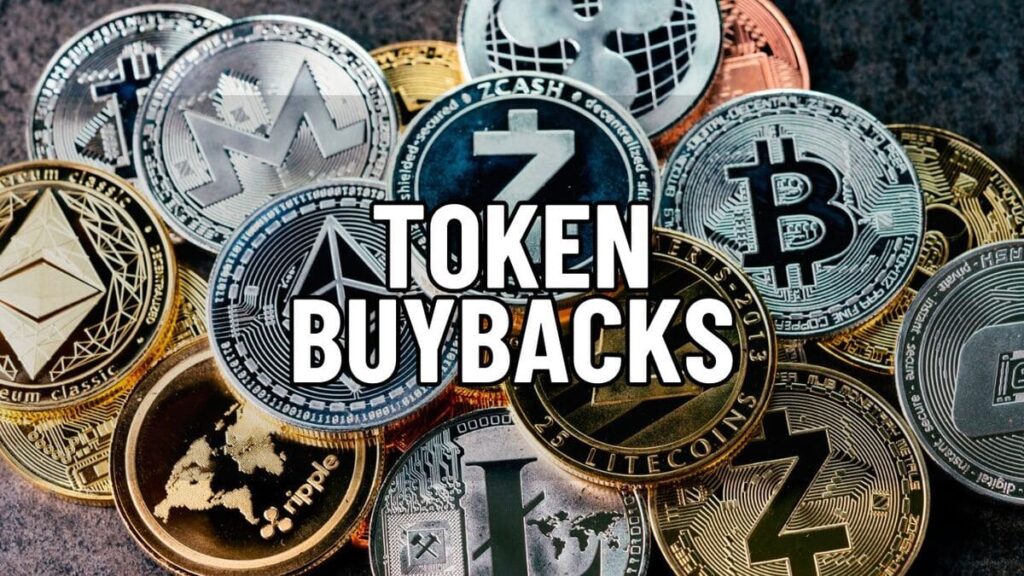

Token buybacks have emerged as a significant strategy within the crypto landscape, attracting considerable attention for their potential impact on token economics. Over the past year, such programs accounted for over $880 million in investments, yet they often failed to move market prices as anticipated. The Optimism protocol, for instance, recently announced a 12-month token buyback initiative, pledging half of its Superchain revenue to fortify the value of its OP tokens each month. This case reflects a broader trend: while buybacks can enhance perceived value, the true effectiveness often hinges on market conditions and pre-existing expectations. As the crypto community grapples with buyback programs, understanding their influence on price dynamics remains crucial in strategizing future investments and evaluating the impact of token buybacks on overall market health.

In the realm of digital currencies, repurchase schemes, or buyback programs, represent a bold maneuver to stabilize and elevate token values. These financial strategies allow blockchain protocols to reinvest earnings back into their native tokens, thereby attempting to inspire confidence among investors and mitigate volatility. Recent initiatives, such as Optimism’s commitment to allocate half of Superchain earnings for ongoing token acquisitions, exemplify how platforms leverage buyback frameworks to enhance their economic models. However, it’s essential to evaluate the intricate relationship between buyback movements and market reactions, as this interplay determines whether these interventions genuinely translate into increased token worth or merely serve as short-term fixes. Ultimately, the discourse surrounding such financial tactics highlights the ongoing evolution of token economics and their implications for investor sentiment.
Understanding Token Buybacks in Crypto Economics
Token buybacks have emerged as a pivotal strategy in the cryptocurrency landscape, allowing projects to manage their token supply and potentially influence market prices. These buybacks are not merely a reactive measure but a proactive approach to enhance token economics and create a sustainable ecosystem. By using a portion of their revenue, as Optimism plans to do with 50% of Superchain revenue, protocols aim to repurchase their own tokens regularly. This approach can signal to the market that the project is confident in its long-term growth and value proposition, potentially leading to increased investor confidence.
Historically, when executed under favorable market conditions, token buybacks have been shown to induce positive price movements. They effectively reduce the circulating supply, theoretically increasing the value of the remaining tokens. This has led to several successful buyback programs in crypto, especially when protocols are seen as innovative and transparent. However, with a surge in buyback initiatives, the question arises: do they still hold the same weight as before? As more protocols adopt similar strategies, the market may begin to factor in these buyback programs, diminishing their perceived effectiveness.
The Impact of Token Buybacks on Market Dynamics
The impact of token buybacks is multifaceted, significantly affecting market dynamics beyond simple supply and demand curves. Initially, they can instigate a surge in token prices as they reduce the circulating supply, creating scarcity. Moreover, the transparency of such programs allows investors to gauge the commitment of a protocol to its ecosystem’s health. For example, Hyperliquid’s Assistance Fund demonstrated tangible benefits by successfully repurchasing a significant portion of its tokens, fostering a perception that HYPE tokens are tied to the underlying protocol’s revenue generation rather than merely functioning as governance tools.
However, as token buybacks become more ubiquitous, the resulting impact may wane. Many investors are now vigilant about the conditions under which these buybacks operate. If a protocol’s buyback yield diminishes due to poor market conditions or increased token dilution, the anticipated positive effects may not materialize. Additionally, if buybacks occur at consistent price points without corresponding market growth or adoption, they can become ineffective as merely a cost center, with the capital potentially better spent on other growth-inspiring facets like security enhancements or developer incentives.
Evaluating Token Buyback Strategies in 2025
In the evolving landscape of 2025, evaluating token buyback strategies is crucial for projects aiming to maintain relevance and foster community trust. The financial metrics surrounding buybacks, such as the coverage ratio—a measure of buyback flows against dilution—become essential indicators of program effectiveness. For instance, a coverage ratio below one suggests that buybacks are merely offsetting dilution rather than meaningfully retrenching supply. This presents a challenge for protocols like Optimism, which aim to balance buyback initiatives with funds for ecosystem development.
Furthermore, the engagement of community and market participants in buyback programs plays a pivotal role in shaping perceptions. Programs that operate transparently and align with user expectations have shown more resilience against market fluctuations. The criteria for effective buybacks should also consider the overall economic climate within which they operate. For instance, if token economics are constructed to favor locked gains or use burns as a counter to inflationary pressures, this could help stabilize prices and restore faith in the token’s value proposition amid hotter competitive climates.
Challenges Faced by Buyback Programs in 2025
While buyback programs have their merits, they also face significant challenges in 2025, particularly in a market that is increasingly discerning. Investors are becoming wary of the authenticity and effectiveness of these buybacks, often questioning whether they are a sound investment or merely symptomatic of deeper strategic flaws. With numerous protocols engaging in token buybacks, there is a rising skepticism—particularly when buybacks do not translate into sustained price increases or user engagement, highlighting the importance of not just initiating buybacks but communicating their long-term vision effectively.
Additionally, buyback programs can inadvertently lead to capital misallocation if not managed judiciously. Critics often argue that funds directed towards buybacks could be more beneficially deployed into areas that foster future growth, such as research, development, and partnerships. A robust buyback strategy must thus be integrated with a transparent roadmap that delineates how these repurchases align with overarching goals and user benefits within the ecosystem. Failure to do so risks not only financial fallout but potential reputational damage within a competitive crypto landscape.
The Future of Token Economics Through Buybacks
Looking ahead, the future of token economics will heavily rely on how effectively buyback programs can adapt to changing market conditions and investor expectations. As protocols explore unique value propositions—integrating mechanisms for value accrual and sustainable growth—buybacks must evolve in sophistication to match these strategies. The integration of buybacks with other financial innovations, such as decentralized finance (DeFi) yield generation or staking rewards, could further fortify the economic structure of token ecosystems and create amplified incentives for user retention.
Moreover, as the competition among protocols increases, the successful implementation of buyback programs must also include an educational aspect for the community. Providing clear insights into the rationale behind buybacks and their anticipated impacts helps in fostering trust among holders. Tokens like OP and others participating in strategic buyback initiatives must leverage data analytics for real-time actions and transparent reporting to ensure stakeholders stay informed and engaged. Ultimately, successful token economics require a balanced synergy of buyback strategies embedded within a robust ecosystem designed to adapt to both trending market behaviors and user needs.
Frequently Asked Questions
What is the role of token buybacks in crypto token economics?
Token buybacks play a crucial role in crypto token economics by reducing the circulating supply of a token, which can potentially increase its value. This strategy transforms tokens from speculative assets into yield-bearing instruments, linking their value directly to ecosystem growth and revenue.
How do crypto token buyback programs affect the market?
Crypto token buyback programs can positively affect the market by demonstrating a commitment to value accrual for token holders. However, their effectiveness can diminish if the market anticipates such moves or if buyback pressures do not significantly outpace dilution caused by token unlocks.
What types of buyback strategies have been successful in the crypto market?
Successful buyback strategies in the crypto market typically involve transparent, rule-based execution linked to actual protocol usage and occur when tokens are undervalued. Programs that significantly reduce the circulating supply and establish a new valuation framework tend to outperform.
What are the potential downsides of token buybacks in cryptocurrency?
The potential downsides of token buybacks in cryptocurrency include the risk of capital being misallocated. Critics argue that resources spent on buybacks might be better used for growth initiatives, like security, liquidity incentives, or developer grants, especially in a bear market.
How does the Optimism token buyback program differ from previous buyback initiatives?
The Optimism token buyback program differs from previous initiatives by tying 50% of Superchain revenue to monthly OP token purchases, while keeping growth spending intact. This structural design aims to reshape token economics rather than simply enhance token prices, responding to market saturation.
Can token buybacks create long-term value for investors?
Yes, token buybacks can create long-term value for investors when executed under optimal conditions, such as sufficient buyback funds relative to the circulating supply and a commitment to sustainable revenue sources. The overall effectiveness depends on ongoing growth and demand within the ecosystem.
What key factors determine the success of a token buyback strategy?
The success of a token buyback strategy is determined by several key factors, including the buyback coverage ratio exceeding 1, the availability of substantial buyback funds, the ability to maintain revenue stability during market cycles, and the implementation of permanent supply reductions through token burns or locked governance.
How have market reactions to token buybacks evolved in recent years?
Market reactions to token buybacks have evolved, showing initial enthusiasm, especially during market lows, but with diminishing returns as the strategy becomes widely adopted. As buyback announcements became routine, their impact on token prices lessened, leading to skepticism regarding their ongoing effectiveness.
What lessons can be learned from the decline in buyback effectiveness in the crypto sector?
The decline in buyback effectiveness in the crypto sector highlights the importance of transparent operational strategies, the necessity for tied revenue to actual protocol usage, and the critical need for managing expectations about the outcomes of buyback programs in light of market sentiment.
What impact do token buybacks have on the supply-demand dynamics of a cryptocurrency?
Token buybacks impact supply-demand dynamics by reducing the available supply of a token, which can create upward pressure on prices if demand remains strong. However, this positive effect can be undermined if new tokens enter the market at a rate faster than they are bought back.
| Aspect | Details |
|---|---|
| Token Buybacks Amount | Over $880 million in the previous year. |
| Main Features | Transition from governance to value-accrual mechanisms. |
| Annual Buyback Pressure | Estimated at $9.1 million based on collected fees. |
| Major Players | Hyperliquid: $644.6 million, Pump.fun: $138.2 million, Jupiter: $57.9 million, Ethena: $40.7 million. |
| Initial Success Factors | A) New valuation frameworks B) Transparency in operations C) Timing with respect to market conditions. |
| Challenges Ahead | Less impactful announcements, market anticipations, deceptive perceptions of financial theater. |
| The Optimism Approach | 50% revenue from Superchain for buybacks, but preserving growth spending. |
| Future Implications | Ability to reshape token economics based on market conditions and supply. |
Summary
Token buybacks have emerged as a focal strategy in the cryptocurrency space, striving to enhance token value and bolster investor confidence. Despite the substantial investments exceeding $880 million in buybacks last year, the lingering question remains whether these buybacks can genuinely influence market prices. As evidenced by the case of Optimism, the effectiveness of token buybacks hinges on strategic execution, sustainable revenue generation, and a favorable market environment. Ultimately, for buybacks to reshape the economic landscape effectively, they must address supply-demand dynamics while avoiding pitfalls of market saturation and overestimation of their impact.
Related: More from Market Analysis | Barclays Looks at Blockchain for Payments, Deposits | PayPal USD Powers New PYUSDx App