


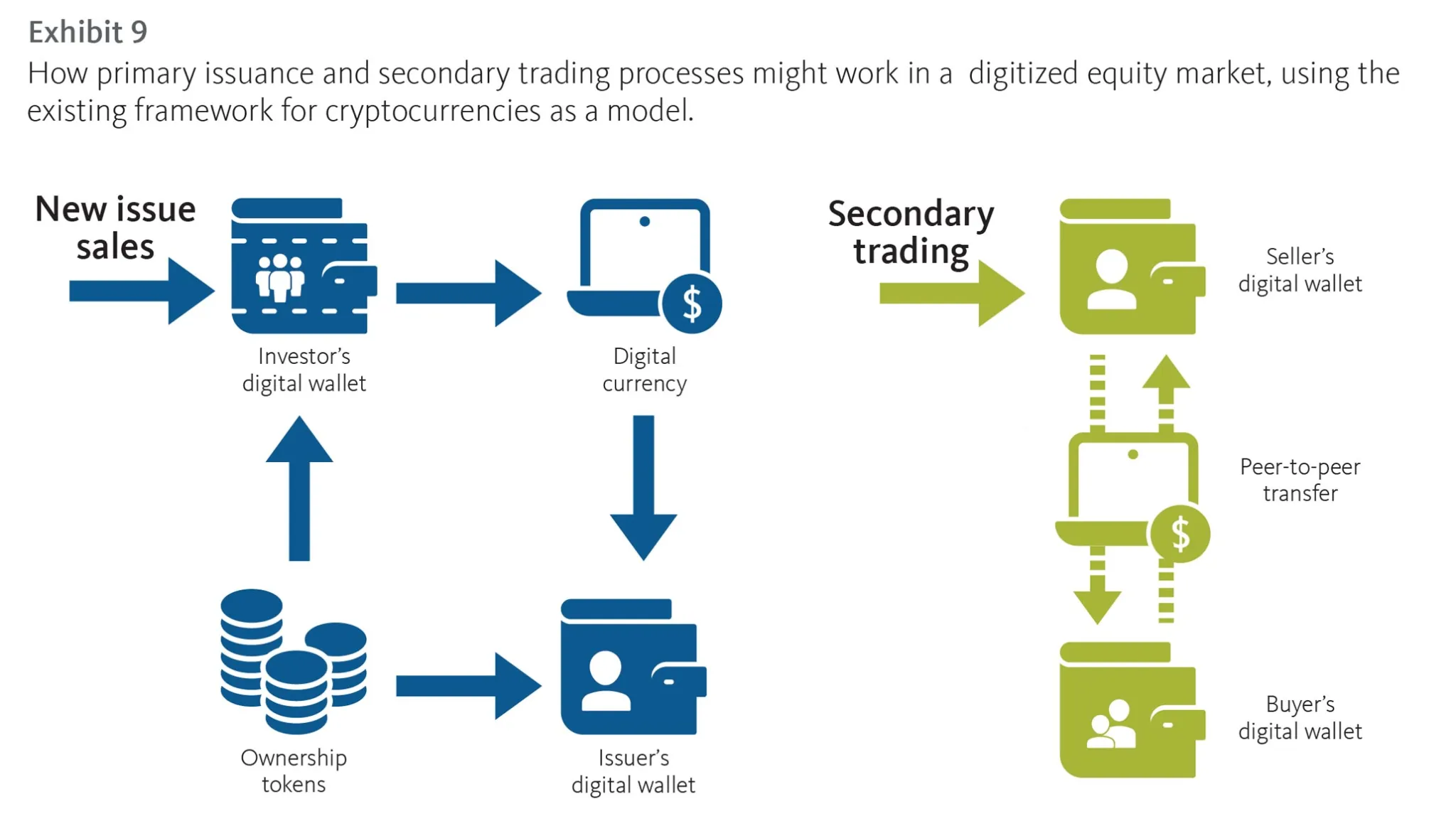

In recent years, the cryptocurrency landscape has evolved dramatically, with staking emerging as a pivotal component in the development of digital assets. Staking, the process of participating in a network’s operations by locking up cryptocurrencies to support blockchain activities, has gained traction as a means of earning passive income. This shift not only enhances network security but also introduces a new paradigm in how investors view and interact with their digital assets.

Historically, cryptocurrencies like Bitcoin were primarily seen as speculative investments. However, the advent of proof-of-stake (PoS) mechanisms has transformed this perception. By allowing holders to stake their coins, projects incentivize long-term commitment and participation, fostering a more engaged community. This has led to the emergence of staking as a legitimate asset class, attracting institutional investors and retail participants alike.
The benefits of staking are manifold. It offers a steady yield, often surpassing traditional financial instruments, while also contributing to the overall health of the blockchain ecosystem. As more projects adopt PoS and similar models, the staking market is poised for significant growth. This evolution not only diversifies investment strategies but also democratizes access to wealth generation in the digital age.
As we move forward, understanding the intricacies of staking will be crucial for investors looking to navigate this burgeoning asset class. With its potential to reshape the financial landscape, staking is undoubtedly entering a new chapter that promises exciting opportunities for all.
Related: More from Ethereum News | ETH Investment News: The 7 Siblings’ Surprising $10 Million Move | Ethereum Price Drop: Is Vitalik Buterin’s $6.6M Sale a Warning Signal?