

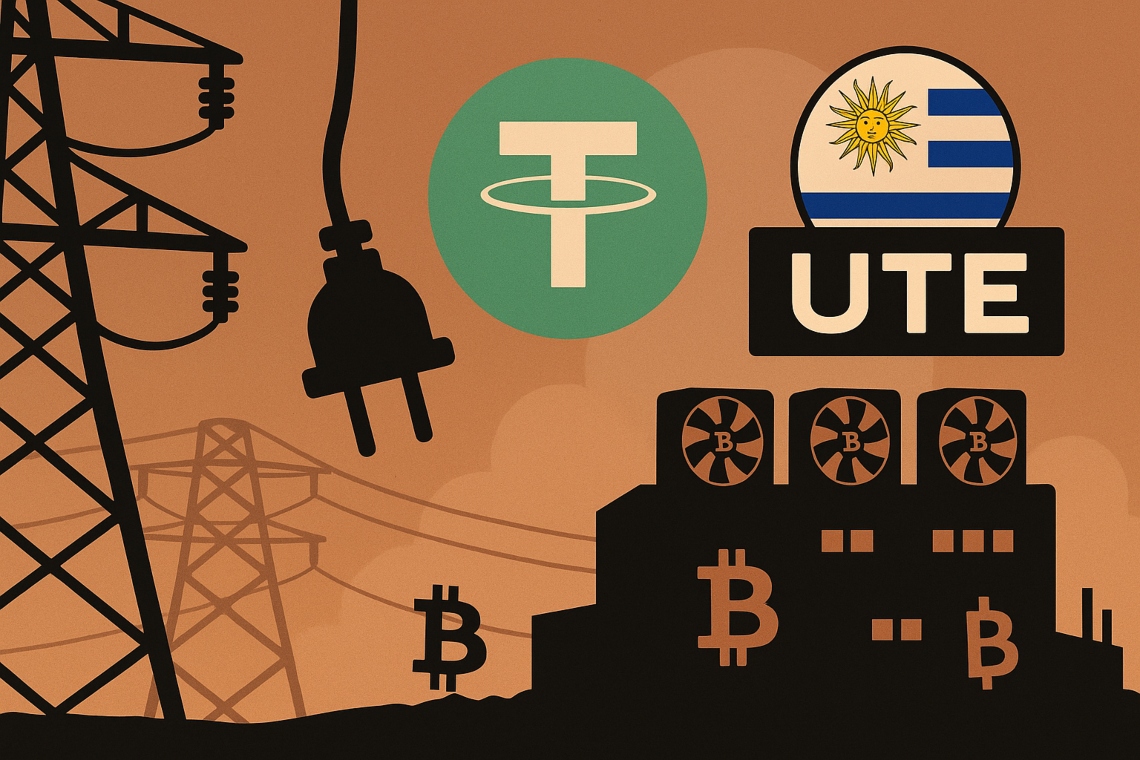

Tether operations in Uruguay are coming to a premature end, following the company’s decision to lay off 30 employees from its local workforce of 38. This significant move, confirmed by Tether to the Uruguayan Ministry of Labor and Social Security, reflects broader trends in the crypto sector, which has recently seen numerous layoffs, including those labeled as ‘Tether layoffs.’ Tether, which had planned to invest an impressive $500 million in the region—including the establishment of data centers in Uruguay—now cites high energy costs and an uncompetitive tariff structure as key reasons for its withdrawal. In light of Uruguay labor news, this incident underscores the challenges that crypto companies face in maintaining operations amid rising operational expenses. As the landscape evolves, the impact of Tether’s decision may resonate within the investment community and influence future investment strategies across Latin America.

The recent developments surrounding Tether’s exit from Uruguay reveal critical insights into the operational challenges faced by cryptocurrency enterprises. As the company confirms its plans to cease operations, many are left to ponder the implications of this shift, particularly regarding employment and investment in the region. Characterized by a significant investment roadmap, including the anticipated creation of data centers, Tether’s decision raises questions about the sustainability of cryptocurrency initiatives given the current economic landscape. The situation highlights broader themes in the tech industry, particularly as it pertains to workforce reductions and the dynamics of finance within a rapidly changing market. Overall, this case serves as a pivotal study of how external economic factors impact corporate strategies in the digital currency space.
The Impact of Tether Operations Termination in Uruguay
The recent announcement by Tether regarding its dissolution of operations in Uruguay has sent ripples through the local labor market. The decision to lay off 30 of its 38 employees raises concerns not only about the immediate economic impact on these individuals but also on the overall job market in the region. As one of the major crypto firms, Tether’s exit signifies a broader trend of crypto company layoffs influenced by high operational costs and competitive market conditions.
Furthermore, Tether’s plan to invest $500 million in the country included substantial infrastructure projects, such as developing three data processing centers. This ambitious project aimed to create jobs and boost the local economy. However, with the operational unfeasibility caused by high energy costs, the withdrawal could hinder potential growth in the region’s labor industry. The Uruguayan government’s response to this situation will be crucial in addressing the immediate needs of those affected by these layoffs.
Understanding the Reasons Behind Tether’s Decision
Tether’s decision to terminate its operations in Uruguay stems from significant economic challenges faced by the company. Notably, the crypto firm has pointed to exorbitant energy expenses as a key reason for its withdrawal, indicating that the tariff framework does not align well with the scale of its planned $500 million investment. The reluctance of local authorities to adjust energy pricing structures has been a point of contention, stalling Tether’s ambitions to establish data centers and other infrastructure.
Moreover, Tether’s previous attempts to negotiate a more favorable tariff plan since November 2023 illustrate the challenges faced by crypto companies operating in Uruguay. The proposed solutions to modify energy procurement contracts were designed to alleviate operational burdens but were met with bureaucratic hurdles. The developments highlight a significant intersection of labor news and economic reforms needed to attract and retain crypto companies in the region.
The Broader Context of Crypto Company Layoffs
The layoffs at Tether are part of a larger trend affecting the crypto industry. As various crypto companies reassess their operational strategies in light of economic pressures, including high energy costs and regulatory challenges, many are opting to downsize. This reshaping of the sector indicates that stability may be elusive for crypto firms, prompting a reevaluation of investment strategies and market engagements.
Investors and stakeholders within the cryptocurrency ecosystem should pay close attention to these shifts. The layoffs from companies like Tether serve as a reminder that despite the promise of substantial investment, the volatility and unpredictability of the market can lead to abrupt changes. As firms seek to optimize their operations, the integration of efficient energy solutions will be paramount in sustaining operations and encouraging further investments.
Potential Economic Ramifications for Uruguay
The termination of Tether operations also poses broader economic ramifications for Uruguay’s ambitions in the crypto sector. The withdrawal of Tether not only affects the immediate job market but may also deter future foreign investments in the country. Prospective investors typically seek a stable economic environment, and this recent development could be perceived as a warning sign.
Furthermore, the cessation of projects like the construction of data centers could stunt potential growth in the tech industry within Uruguay. These centers were anticipated to generate local employment opportunities and foster innovation. Therefore, the government may need to explore policies that better support energy stability and cost management to ensure that other crypto companies view Uruguay as a viable destination.
The Future of Crypto Investments in Uruguay
In light of Tether’s recent decisions and the subsequent layoffs, the future of crypto investments in Uruguay is uncertain. As Tether’s plans for data centers and infrastructure development dissolve, the question remains: will other companies follow suit or look to invest in Uruguay? The region’s potential for becoming a technology hub hinges on its ability to adapt to the needs and demands of the crypto industry.
To attract and retain interest, policymakers in Uruguay may need to implement changes that enhance the competitive landscape for crypto firms. This includes reviewing energy tariffs, providing tax incentives, and ensuring regulatory frameworks are conducive to innovation. Without these measures, Uruguay risks losing its appeal as a promising location for future crypto investments, which would further complicate the economic landscape in the region.
Energy Costs and Their Influence on Crypto Operations
High energy costs play a pivotal role in shaping the strategic decisions of companies like Tether. In their quest for sustainable operations, crypto firms need to consider the financial viability influenced by energy tariffs. Tether’s exit underscores the importance of competitive energy pricing, especially for data-centric businesses that demand substantial power resources to operate effectively.
This situation calls for a thorough evaluation of Uruguay’s energy policies, as reliance on high-cost energy sources can deter not only crypto companies but also other industries. Future viability relies on establishing a framework that promotes favorable energy tariffs, as seen in other regions, to create an attractive environment for technology and innovation-driven companies.
Tether’s Investment Strategy Complications
Tether’s approach to investing in Uruguay involved a robust plan with expectations of significant returns. However, the complications arising from local energy pricing have created a complex dilemma for the company’s strategic vision. After committing over $100 million to the region, Tether’s decision reflects the precarious nature of balancing ambitious investment plans with on-ground realities.
As Tether reevaluates its investment strategies, the focus will likely shift to more favorable locations or alternative energy approaches that align better with its operational requirements. This could catalyze a broader shift in the industry as companies assess their footprints in energy-dependent regions, leading to further transformations in the global crypto investment landscape.
Navigating Labor Challenges in the Crypto Industry
Labor challenges within the crypto industry are compounded by economic fluctuations, notably seen in Tether’s recent layoffs. The disconnect between investment aspirations and workforce stability poses significant obstacles for companies operating within this volatile marketplace. Tether’s decision to reduce its workforce by nearly 80% highlights the fragility inherent in gig economies reliant on tech innovation.
Moving forward, tech companies must prioritize strategic workforce planning to weather the uncertainties of labor costs and market demands. Maintaining a skilled labor pool while exploring flexible employment structures could be vital for navigating these challenges. Adapting to labor market trends and ensuring employee security will ultimately contribute to healthier industry practices.
The Role of Government in Supporting Crypto Firms
The Uruguayan government plays a crucial role in the support and development of the local crypto industry. As Tether grapples with high energy costs and operational challenges, it is an opportune moment for the government to examine its policies concerning industry support. Streamlining regulations, ensuring competitive energy pricing, and fostering a supportive business climate can aid in retaining and attracting crypto firms.
Proactive measures by the government could signal to the wider crypto community that Uruguay remains a favorable destination for innovation. By instituting reforms that address the specific needs of crypto companies, the government could help stabilize the industry and encourage future investments, positioning Uruguay as a competitive player in the burgeoning blockchain and crypto landscape.
Frequently Asked Questions
What led to Tether’s decision to terminate operations in Uruguay?
Tether decided to terminate operations in Uruguay due to high energy costs and a lack of a competitive tariff framework that did not align with their planned $500 million investment in the country.
How many employees were laid off by Tether in Uruguay?
Tether laid off 30 of its 38 employees in Uruguay as part of its decision to cease operations in the country.
What investment plans did Tether have in Uruguay before the layoffs?
Before the layoffs and termination of operations, Tether had plans to invest $500 million in Uruguay, which included the construction of three data processing centers and a renewable energy park.
What were the main reasons cited by Tether for finding their projects economically unfeasible in Uruguay?
Tether cited ongoing high operational costs and a lack of competitive energy tariffs as the main reasons for finding their planned projects economically unfeasible in Uruguay.
How much of Tether’s planned investment in Uruguay had been executed prior to this decision?
Prior to the decision to terminate operations, Tether had executed over $100 million of its planned $500 million investment in Uruguay.
What proposals did Tether make regarding energy procurement in Uruguay?
Tether proposed changing the energy procurement contract and charging standards from 31.5 kV to 150 kV to bring economic benefits and reduce operational costs.
What role does Tether’s investment play in the local Uruguayan economy?
Tether’s planned investment was expected to enhance local infrastructure and create job opportunities, making the termination of operations a significant loss for the Uruguayan economy.
How has Tether’s decision impacted the local labor market in Uruguay?
Tether’s decision to lay off 30 employees has negatively impacted the local labor market, reducing job availability in the tech and crypto sectors.
What challenges do crypto companies like Tether face operationally in Uruguay?
Crypto companies like Tether face operational challenges in Uruguay such as high energy costs, which can hinder profitability and competitiveness in the market.
Can Tether’s termination of operations in Uruguay serve as a warning to other crypto companies?
Yes, Tether’s termination of operations in Uruguay highlights critical challenges that crypto companies may face regarding energy costs and regulatory environments, serving as a potential warning.
| Key Points |
|---|
| Tether has officially terminated its operations in Uruguay. |
| 30 out of 38 employees will be laid off due to the termination. |
| The decision was announced to the Uruguayan Ministry of Labor and Social Security and confirmed post-meeting. |
| High energy costs and an unfavorable tariff framework were major reasons for Tether’s withdrawal. |
| Tether planned to invest $500 million in infrastructure, including data centers and energy generation projects. |
| Over $100 million has already been spent, with intentions to allocate an additional $50 million for infrastructure. |
| Despite applying for competitive tariffs, operational costs due to contract models have made the project unfeasible. |
| Tether proposed changing energy procurement standards to reduce operational costs. |
Summary
Tether operations in Uruguay have officially come to an end as the company announces the termination of its local activities and the layoff of 30 employees. The withdrawal is attributed to high energy costs and unsuitable tariff frameworks that did not meet the company’s operational needs. Despite a significant planned investment of $500 million, Tether found it increasingly economically unfeasible to continue in the Uruguayan market. This decision marks a significant shift in the company’s strategy regarding its global operations.
Related: More from Ethereum News | Vitalik Buterin Shares Vision for Ethereum Scaling Solution | Tether Freezes Over $4B Linked to Crime in Three Years in Ethereum