
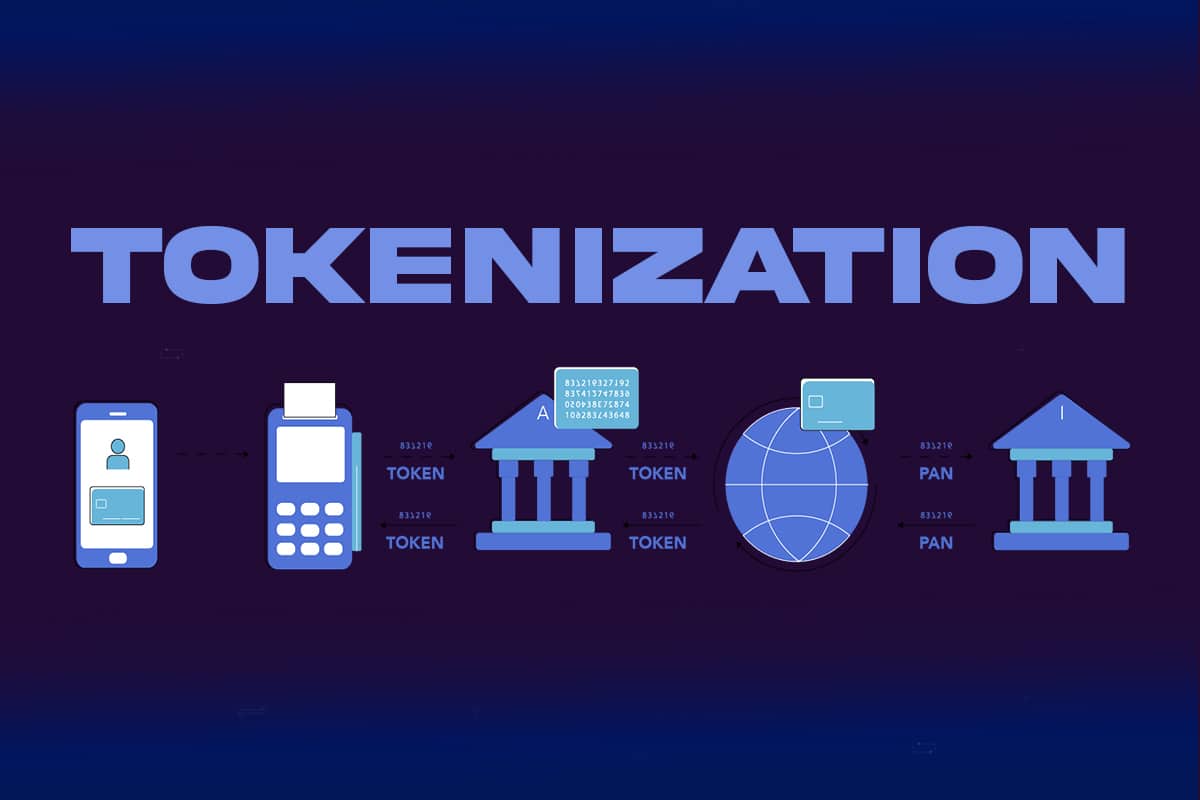

T+0 Tokenization is emerging as a revolutionary force in the financial landscape, promising to significantly accelerate asset settlement and redefine how transactions occur. As the concept moves from experimental pilots to potential standard practice, industry experts are raising concerns about its implications for market manipulation and overall market integrity. Deloitte insights indicate that the push towards tokenized settlement will alter the financial market structure, streamlining processes while simultaneously revealing new risks in collateral workflows. With T+0, the typical delays in financial transactions could become a thing of the past, ushering in unprecedented speeds much like those seen in retail with instant delivery. However, as this transformation unfolds, stakeholders must remain vigilant to ensure that rapid advancements do not compromise transparency or oversight.

The notion of instant settlement through T+0 represents a pivotal shift in how financial transactions are processed, emphasizing the need for speed and efficiency in trading. Known variously as real-time settlement or tokenized financial assets, this movement advocates for a swift transition away from traditional settlement cycles to a more immediate framework. As experts analyze the potential impacts, key areas of focus include market integrity, the potential for manipulation, and the evolving structures of collateral workflows. Such advancements have the potential to create a more interconnected financial system, yet they also raise questions about the challenges that could emerge, such as increased operational risks and a fragmented trading environment. Ultimately, the success of alternative settlement methods will hinge on a foundational balance between innovation and regulatory oversight.
| Key Points | Details |
|---|---|
| Deloitte’s Warning | Tokenized settlement may lead to market manipulation blind spots. |
| What is T+0? | T+0 refers to instant settlement, which could transform the financial industry by reducing errors and increasing efficiency. |
| Tokenized Security | A digital representation of traditional assets like stocks and bonds that enables quick transactions. |
| Market Approach | Initial shifts towards tokenization will likely rely on pilot programs rather than immediate widespread changes. |
| Importance of Pilots | Pilots will shape policy and determine the viability of tokenization in the market. |
| Potential Risks | Faster settlements could increase operational failures and contribute to a lack of market transparency. |
Summary
T+0 Tokenization represents a crucial evolution in the financial system aimed at enhancing efficiency and reducing settlement times. Deloitte’s insights highlight that while T+0 can streamline processes and mitigate certain risks, it also creates new challenges related to market manipulation and reporting transparency. As pilot programs develop, the impact of tokenization on liquidity, asset pricing, and overall market structure will become clearer. Ensuring proper oversight and control will be essential to harnessing the benefits of T+0 while safeguarding against its risks.
Understanding T+0 Tokenization in Financial Markets
T+0 tokenization represents a revolutionary advancement in the financial market structure, enabling instantaneous settlement of trades. This means that as soon as a transaction occurs, ownership of digital assets, such as tokenized securities, is transferred without the delays associated with traditional settlement cycles. The adoption of T+0 not only streamlines trading processes but also introduces new challenges related to market manipulation. In the context of tokenized assets, the rapid movement of trades and funds could create blind spots that hinder the ability to monitor and regulate activities effectively.
Moreover, T+0 tokenization must be viewed through the lens of collateral workflows. With faster trade execution, financial institutions might face increased pressure to manage collateral efficiently, particularly in terms of liquidity risk and margin requirements. The implications of this shift are significant, prompting a reevaluation of existing practices and strategies. Companies need to enhance their operational frameworks to support the swift transaction speeds that T+0 facilitates, ensuring they remain competitive in a rapidly evolving market.
The Role of Pilots in Tokenization
Deloitte emphasizes that pilots are crucial for understanding the implications of tokenization within financial markets. These controlled experiments will help stakeholders assess the viability and risks associated with implementing T+0 settlements effectively. By initiating limited pilots, firms can evaluate the advantages of tokenization against potential pitfalls, such as market fragmentation and liquidity challenges. Through iterative testing and feedback, companies can refine their approaches and establish best practices that facilitate a smoother transition to widespread token adoption.
Additionally, the importance of regulatory frameworks cannot be overstated as these pilots progress. Tools like no-action letters serve as a bridge, allowing the market to innovate without waiting for comprehensive regulations. However, as pilots unveil the operational realities of tokenized assets, regulators must remain vigilant. Monitoring the impact of rapid settlement processes on market integrity is critical, ensuring that any developments safeguard against the risks that Deloitte highlights regarding potential opacity and manipulation.
Market Manipulation Concerns with Tokenization
As Deloitte warns, one of the most pressing issues arising from the swift adoption of tokenized settlement is the potential for market manipulation. The absence of delay in transaction settlement may hinder the ability of regulators and auditors to detect suspicious activities promptly. Unlike traditional markets, where time is available for analyzing trades and correcting discrepancies, T+0 arrangements compress this window, creating vulnerabilities. This raises concerns about the effectiveness of existing oversight mechanisms, as bad actors could exploit these changes to their advantage.
Furthermore, the transition to a T+0 framework requires a rethink of how financial institutions monitor compliance and enforce transparency. As the market evolves, it is imperative for firms to adopt advanced surveillance tools that can keep pace with the rapid transaction speeds. These measures must be proactive, ensuring that any anomalies are addressed before they lead to widespread issues. Without robust oversight, financial markets could face heightened risks of manipulation, eroding trust among participants and hindering the overall success of tokenization.
The Future of Collateral Workflows with T+0
T+0 tokenization is expected to revolutionize collateral workflows by significantly reducing the time required for asset movement. This shift is particularly beneficial for large institutions that engage in high-frequency trading or require quick access to liquid assets. The prospects of utilizing tokenized collateral in a reliable, dollar-linked format can enhance operational efficiency while minimizing the friction typically associated with traditional collateral management. As firms adapt to this new paradigm, they can optimize their liquidity strategies and better manage margin calls.
However, the successful integration of tokenized collateral mechanisms hinges on several factors, including market acceptance and technological infrastructure readiness. Institutions must be prepared to invest in systems that can handle the complexities of T+0 settlements and ensure that their operational frameworks can support the pace of changing market conditions. By doing so, they can leverage the advantages of instant settlement and maintain competitiveness in a landscape where quick access to collateral can make a significant difference.
Navigating Regulatory Changes Amidst Tokenization
As T+0 tokenization reshapes the financial landscape, navigating regulatory changes will be critical for industry players. The SEC’s evolving stance on regulations, particularly regarding instant settlement and tokenized assets, will dictate the pace at which these innovations are adopted. Firms must stay abreast of developments, as new guidelines could significantly impact operational protocols and compliance requirements. Engaging proactively with regulators to align business strategies with evolving regulatory frameworks will be essential in this dynamic environment.
Moreover, collaboration among stakeholders—including technology providers, financial institutions, and regulators—will be pivotal to ensure smooth transitions. Establishing industry-wide standards and best practices can help mitigate risks associated with fragmented market environments. By working together, participants can foster an ecosystem that enhances market integrity while embracing the benefits of tokenization, ultimately promoting a healthier financial marketplace.
Institutional Adoption of Tokenized Assets
The mainstream adoption of tokenized assets by institutional investors is likely to set the tone for the broader market’s transition to T+0 settlements. Large firms stand to gain substantial benefits from increased transparency, efficiency, and reduced operational costs. As they begin to incorporate tokenized securities into their portfolios, the ripple effects could lead to heightened interest from retail investors, ultimately driving further market acceptance. Institutions willing to adopt and adapt will lead the charge in demonstrating the value proposition of tokenization.
Furthermore, the institutionalization of tokenized assets forces a rethinking of risk management frameworks. Organizations must develop new strategies to navigate the unique challenges posed by digital assets, including custody solutions, operational risks, and regulatory compliance. As tokenization continues to gain traction, institutional players will play a crucial role in establishing trust and reliability within the market, paving the way for more widespread acceptance and innovative applications of T+0 frameworks.
Competitive Dynamics in Tokenized Financial Markets
In a rapidly evolving financial landscape, the competition among firms to adopt tokenized settlements will likely intensify. Deloitte notes that the current environment encourages experimentation, presenting opportunities for new entrants to offer innovative solutions. The proliferation of venues capable of executing T+0 transactions will create a competitive ecosystem where speed, reliability, and security become essential differentiators. Companies that successfully leverage technology and operational efficiency will capture the interest of investors and drive market evolution.
However, competition also brings challenges, including the risk of fragmentation in order routing and execution. As firms independently develop strategies to optimize their T+0 processes, market participants may encounter inconsistencies that could undermine the broader market’s stability. It will be crucial for industry stakeholders to engage in collaborative strategies that promote standardized practices while still allowing for innovation. Fostering a competitive yet cooperative environment could facilitate the successful integration of tokenization into mainstream financial markets.
Technological Infrastructure Supporting Tokenization
The successful implementation of T+0 tokenization heavily relies on robust technological infrastructure. Companies must invest in cutting-edge systems that can manage the complex requirements of instantaneous settlement and trade verification. Technologies such as blockchain, smart contracts, and advanced data analytics will play a pivotal role in creating a secure and efficient framework for tokenized assets. As these technologies evolve, they will enhance the integrity of trading processes, ensuring that market participants can transact with confidence.
Furthermore, investment in cybersecurity measures becomes increasingly vital as transaction speeds increase. The faster the settlement, the greater the need for protection against potential vulnerabilities and cyber threats that could compromise sensitive information. Building a comprehensive security architecture will be essential for firms aiming to reassure both institutional and retail clients of their commitment to safeguarding assets in a high-speed trading environment.
Addressing Risks of Opacity in Tokenized Environments
While the potential benefits of T+0 tokenization are significant, Deloitte highlights the risks associated with increased opacity in financial markets. As settlement speeds improve, there may be an inclination to ease reporting requirements, which could inadvertently hinder transparency. This trade-off could leave the market more susceptible to manipulation and fraud, necessitating robust frameworks that prioritize auditability and compliance without stifling innovation in tokenization practices.
To combat these risks, firms and regulators must work together to create clear guidelines that balance operational flexibility with the need for transparency. Implementing comprehensive reporting and surveillance measures will be vital in maintaining market integrity. Organizations should focus on refining their compliance programs, built around best practices that promote oversight without compromising the velocity that T+0 tokenization promises. This proactive approach can help ensure the successful integration of tokenized assets into the financial system.
Frequently Asked Questions
What is T+0 Tokenization and why is it significant for financial markets?
T+0 Tokenization refers to the immediate settlement of trades, where transactions are completed on the same day they occur, thereby improving the speed of trade execution. This transformation is crucial as it can significantly enhance liquidity, reduce operational risks, and lower the costs associated with market manipulation, enabling a more efficient financial market structure.
How does tokenized settlement under T+0 impact collateral workflows?
Under T+0 Tokenization, collateral workflows can be streamlined, allowing institutions to move collateral rapidly in a liquid dollar-linked format. This agility reduces friction and enhances the efficiency of managing cash and securities, which is particularly important for large firms that require timely access to their assets.
What are the risks of implementing T+0 Tokenization in financial markets?
Implementing T+0 Tokenization carries risks such as increased market opacity and potential challenges in identifying market manipulation. Deloitte warns that the rapid pace of settlement could create blind spots, making it harder to monitor trades, reconcile discrepancies, and maintain overall market integrity.
How could T+0 Tokenization affect market manipulation?
T+0 Tokenization could complicate the regulation of market manipulation. With faster settlements, there is less time for market participants to identify discrepancies and respond to potential fraudulent activities, which may lead to a lack of oversight if not managed with stringent controls.
What is Deloitte’s perspective on T+0 Tokenization pilots?
Deloitte advocates for careful piloting of T+0 Tokenization as a means to gauge its impact on the financial market structure. These pilots will help determine whether tokenization leads to a more efficient system or results in fragmentation, thereby guiding regulatory approaches and ensuring that market practices evolve responsibly.
What role do no-action letters play in the adoption of T+0 Tokenization?
No-action letters from the SEC are crucial in facilitating the transition toward T+0 Tokenization by allowing market practices to proceed without awaiting full rulemaking. This accelerates the adoption of tokenization and encourages experimentation, as firms can innovate within the established legal framework.
How might T+0 Tokenization influence liquidity in financial markets?
T+0 Tokenization could enhance liquidity by enabling faster movement of assets and cash, which encourages trading activity. However, it could also lead to liquidity concentration in new trading venues, potentially altering traditional market dynamics and price discovery mechanisms.
What does the future look like for T+0 Tokenization by 2026 according to Deloitte?
Deloitte predicts that by 2026, T+0 Tokenization may usher in significant changes to market structure, including the potential end of central clearing for cash trades and greater competition among venues. The outcome will largely depend on whether pilots prove that tokenization can enhance operational efficiencies without sacrificing transparency.
Why is transparency important in the context of T+0 Tokenization?
Transparency is critical in the context of T+0 Tokenization as it helps ensure market integrity and trust among participants. As settlement speeds increase, maintaining visibility into trades and market activities is essential to combat manipulation and ensure that trades are accurately recorded and audited.
How can financial institutions benefit from T+0 Tokenization?
Financial institutions can benefit from T+0 Tokenization by experiencing quicker settlements, improved liquidity management, reduced operational risks, and enhanced competitive positioning in a rapidly evolving market landscape. This shift can lead to cost efficiencies and a better alignment with emerging technologies.
Related: More from Market Analysis | WLFI Price Predicted: World Liberty Financial Proposes Governance Overhaul | XLM Bounces But Bears Control