


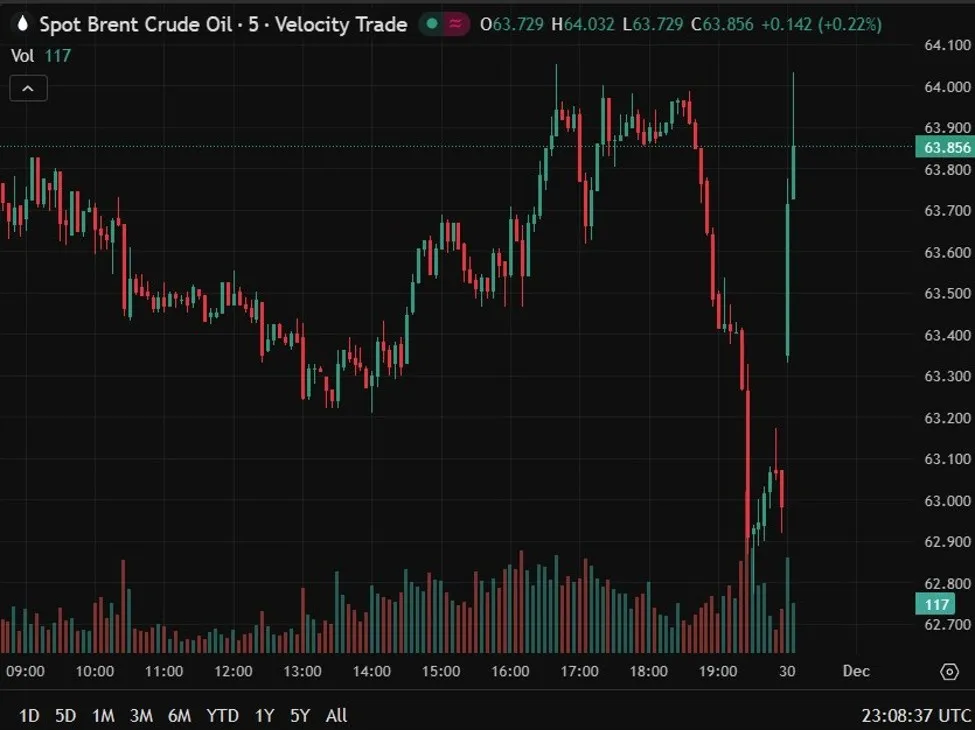

Markets brace for Fed chair decision as NZD leads FX; stocks end November mixed, energy split Traders are positioning for a bump in volatility as Washington inches closer to naming the next Federal Reserve chair, a pivot that could reshape rate expectations, risk appetite and liquidity across FX, equities and crypto. The dollar was mixed into month-end, the kiwi outperformed after a hawkish RBNZ hold, and U.S. stocks finished November uneven despite a Thanksgiving week pop.

Fed chair watch keeps volatility bid
The approaching Fed chair nomination is keeping volatility priced into rates and FX, with dealers flagging thinner liquidity around month-end rebalancing. A policy posture perceived as more tolerant of inflation could steepen curves and favor cyclicals and commodities, while a stricter anti-inflation stance would likely support the dollar and weigh on risk-sensitive FX. Crypto traders are also on alert: a policy reset that alters real yields and liquidity could catalyze sharp swings in Bitcoin and broader digital assets, with some desks talking up the risk of a multi-trillion-dollar shift in risk appetite if the policy path changes.
FX: NZD extends RBNZ-led gains; AUD finds PMI tailwind
The New Zealand dollar extended its post-RBNZ advance as markets leaned into a higher-for-longer domestic rate profile. The Australian dollar found support after manufacturing conditions improved: S&P Global’s final November Manufacturing PMI rose to 51.6 from 49.7, the strongest since August, hinting at stabilizing output and orders. The U.S. dollar traded in a narrow range as traders weighed softer U.S. confidence data against the prospect of policy continuity at the Fed.
Equities: energy splits—Marathon shines, Sable Offshore slammed
Marathon Petroleum shares have surged roughly 39% year to date, outpacing the Dow, even as its latest quarter missed consensus on EPS. Despite the miss, sell-side models still point to modest upside in the low single digits, suggesting expectations of resilient margins and continued capital returns are intact. At the other end of the tape, Sable Offshore plunged about 68% as legal battles with California clouded the outlook for operations and financing. The company faces the risk that a key loan of about $625 million could be imperiled, sharpening focus on regulatory hurdles and balance-sheet resilience across smaller upstream names.
Macro pulse: confidence softens as Australia firms
U.S. consumer confidence has slipped back toward April lows, with respondents citing rising job concerns. For equities, weaker sentiment chimes with slower discretionary spending, while in rates it tends to reinforce a lower-growth, lower-inflation trajectory. The mixed macro read—firmer Australian manufacturing versus softer U.S. confidence—kept G10 FX dispersion elevated and favored carry trades over broad dollar strength.
Geopolitics: tentative easing in risk premium
U.S. Senator Marco Rubio described a Ukraine-related meeting as “productive,” adding that more work lies ahead. Any credible momentum toward de-escalation would likely trim parts of the geopolitical risk premium embedded in energy and European assets, though traders remain cautious pending concrete progress.
Key points
- Fed chair nomination risk keeps FX and rates volatility elevated into month-end.
- NZD/USD extends gains after a hawkish RBNZ stance; AUD lifted as Australia’s Manufacturing PMI rises to 51.6 from 49.7.
- U.S. consumer confidence drops toward April lows, highlighting labor-market worries and spending headwinds.
- U.S. stocks rallied into Thanksgiving but November closed mixed as liquidity thinned.
- Marathon Petroleum up roughly 39% YTD despite a Q3 EPS miss; analysts still see low single-digit upside.
- Sable Offshore plunges about 68% amid legal fights with California; a ~$625 million loan is at risk.
- Bitcoin volatility elevated as traders brace for policy and liquidity shifts.
- Hints of progress on Ukraine could modestly ease energy and European risk premia.
What traders are watching next
– The Fed chair nomination and its implications for policy continuity into 2026. – Incoming inflation and spending data for signs of slower demand versus sticky services prices. – FX positioning around NZD and AUD as antipodean data outperforms. – Energy sector dispersion, with integrated refiners resilient and smaller offshore names exposed to legal and financing risks.
FAQ
Why does the Fed chair nomination matter for FX and rates?
A new chair can shift the balance of hawkish/dovish signaling, influencing real yields, curve shape and the dollar. Markets will reprice terminal rate expectations and risk premia based on perceived policy continuity or change.
Why is NZD/USD outperforming?
The RBNZ has maintained a comparatively tight stance, reinforcing higher-for-longer rate expectations. That yield support, combined with stable risk sentiment, has underpinned the kiwi.
What does Australia’s PMI rebound mean for the AUD?
A move back above 50 (to 51.6) signals expansion in manufacturing, improving growth optics. It helps the AUD by reducing recession risk and supporting carry, especially if global risk appetite holds.
What’s behind Marathon Petroleum’s strong year-to-date performance?
Refining margins and disciplined capital returns have driven the stock despite a recent EPS miss. Sell-side views still suggest limited but positive upside as cash flow visibility remains solid.
Why did Sable Offshore plunge?
Heightened legal risk in California has raised doubts about operations and financing, with a roughly $625 million loan flagged as at risk. That combination pressured the equity sharply as investors priced in regulatory and liquidity uncertainty.
How does weaker U.S. consumer confidence affect markets?
Lower confidence can presage softer consumption, weighing on cyclicals and supporting duration. It often nudges yields lower and compresses equity risk appetite, especially for discretionary names.
Could Bitcoin move on Fed headlines?
Yes. Policy shifts that alter real yields and liquidity conditions often drive crypto volatility. A perceived dovish turn could boost risk appetite, while a hawkish stance tends to pressure digital assets. This report was prepared by BPayNews to provide timely, data-driven insight for macro, FX and cross-asset traders.
Related: More from DeFi & Stablecoins | Stablecoin Payments Focus Shifts to User Networks | ETH Bounces Back: Why TradFi Favors ETH Rise in Stablecoin