
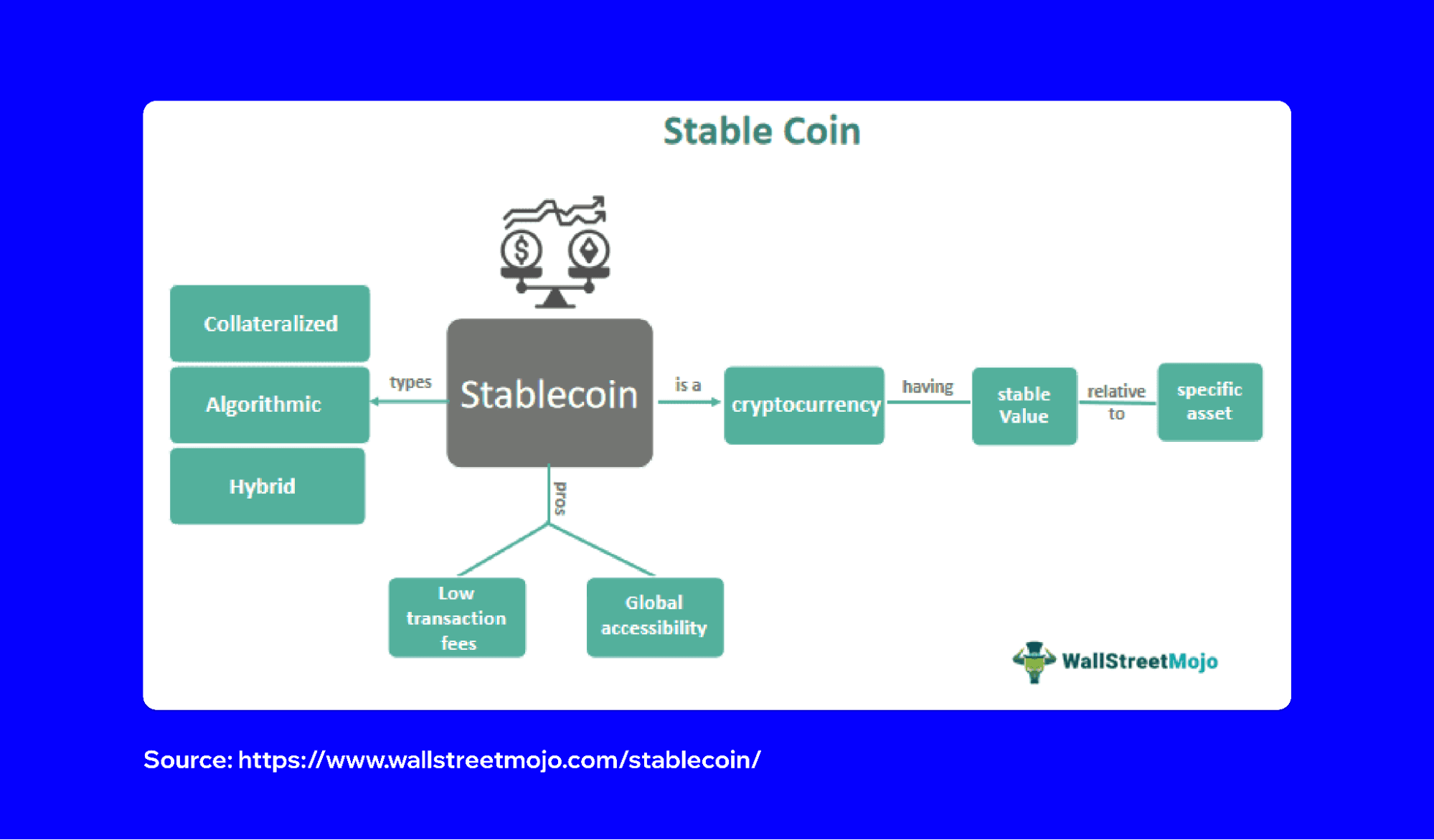

Stablecoin proposals are taking center stage as crypto firms seek to navigate the ongoing legislative gridlock surrounding the crypto market structure bill. With negotiations in the Senate stalling, the idea of empowering community banks to take a more significant role within the stablecoin ecosystem has emerged. Amid concerns regarding stablecoin issuers and their ability to offer competitive yields, stakeholders are advocating for legislative changes that would enable these institutions to flourish without threatening traditional banking systems. Recent discussions have highlighted the urgency of establishing clear stablecoin legislation that balances innovation with consumer protection. As Senate negotiations on crypto continue, the crypto market awaits a resolution that could impact the future of digital currencies and the role of banks in this evolving landscape.

Recent discussions around digital currencies have ushered in a wave of proposals focusing on stable digital assets. These initiatives underscore the pressing need for revised regulations in the cryptocurrency space, particularly as negotiations unfold in the Senate regarding market structure reforms. Key voices in the sector are advocating for an expanded role for local banking institutions to enhance the functionality and reach of these stable digital currencies. Amidst ongoing deliberations, the dynamics between established financial entities and emerging crypto firms are becoming increasingly significant. By fostering a collaborative environment, stakeholders aim to establish a robust framework for the future of digital asset yields and community banking partnerships.
| Key Point | Details |
|---|---|
| Proposals by Crypto Firms | To offer community banks a larger role in the stablecoin ecosystem. |
| Negotiations Stalled | The Senate bill on market structure is stuck due to disagreements over stablecoin yields. |
| Yields Controversy | Banks are concerned about competition with traditional savings accounts if stablecoins offer yields. |
| Community Bank Involvement | Crypto firms suggest stablecoin issuers should maintain reserves at community banks. |
| Legislative Process | Both the Agriculture and Banking committees propose different versions of the market structure bill. |
| Continued Discussions | Meetings between crypto firms and banking groups are ongoing to find common ground. |
| Future Outlook | Senate Chairman Tim Scott optimistic about finding a resolution and ensuring competitiveness. |
Summary
Stablecoin proposals are at the forefront of discussions as the crypto landscape awaits critical legislative changes. The ongoing deliberations between crypto firms and lawmakers highlight the need for balance between innovation and traditional banking practices. As negotiations continue, the involvement of community banks could play a pivotal role in shaping the future of stablecoins, ensuring that this new financial instrument enhances rather than disrupts existing financial systems.
Proposed Stablecoin Roles for Community Banks
In recent discussions, various crypto firms have highlighted the potential for community banks to play a more significant role in the stablecoin ecosystem. This proposal emerges amidst stalled Senate negotiations on a crucial market structure bill that could reshape the crypto landscape. By empowering community banks as stablecoin issuers, these firms aim to bridge the gap between traditional banking and the burgeoning digital currency sector. This collaboration could facilitate greater consumer trust and ultimately promote wider acceptance of stablecoins in daily transactions.
Furthermore, integrating community banks into the stablecoin framework may enhance liquidity and stability within the crypto market structure. Community banks, known for their localized service and understanding of community needs, can ensure that stablecoin reserves are backed by tangible assets, bolstering the overall reliability of these digital currencies. As community banks begin to experiment with issuing their own stablecoins, they could also provide unique financial products tailored to local consumers, thereby creating a symbiotic relationship between traditional banking and cryptocurrency.
Legislative Challenges Surrounding Stablecoin Issuers
The ongoing Senate negotiations regarding stablecoin legislation illustrate the intricate balance between encouraging innovation and safeguarding the traditional banking sector. A pivotal point of contention is whether stablecoin issuers should be permitted to offer yields that compete with conventional savings accounts. With banks voicing concerns over potential deposit flight if crypto firms can attract customers with higher rates, legislators find themselves at a crossroads. This friction highlights the necessity for clear regulatory frameworks that delineate the roles and expectations of stablecoin issuers in relation to established financial institutions.
Moreover, the implications of stablecoin proposals extend beyond mere competition for deposits. Lawmakers are critically evaluating the potential risks associated with stablecoin yields, including their impact on consumer protection and financial stability. As discussions evolve, there is a growing recognition of the need for comprehensive stablecoin legislation that not only regulates issuers but also establishes guidelines for consumer education, risk management, and compliance with banking standards. With bipartisan support still required for any bill to pass, the delicate nature of these negotiations underscores the complexities inherent in merging crypto innovation with traditional financial principles.
The Role of Senate Negotiations in Crypto Market Structure
Senate negotiations surrounding the crypto market structure bill are pivotal to the future of digital currencies in the United States. As discussions ensue, they’re marked by competing interests from both the crypto industry and traditional banking sectors. The current debate emphasizes the importance of setting a clear legal framework for cryptocurrency operations, helping to minimize regulatory uncertainties that could stifle innovation. Any delay or lack of agreement could hinder the U.S. from establishing itself as a global leader in the crypto space, making the need for decisive action all the more crucial.
Additionally, these Senate negotiations are crucial for creating a conducive environment for stablecoin proposals and community banks. The outcomes will determine how effectively stablecoins can integrate into the broader financial ecosystem, impacting the operational capacities of stablecoin issuers. As stakeholders continue to meet and present their arguments, it remains to be seen how these discussions will influence the legislative landscape and the future intersection of cryptocurrency and traditional banking.
Compromise Solutions for Crypto and Banking Interests
As the Senate deliberates on the market structure bill, the search for compromise solutions between crypto firms and banking interests becomes increasingly vital. One of the significant negotiations underway includes whether stablecoin issuers should maintain reserves at community banks, which some believe could foster greater trust and stability in the system. This approach would potentially reduce the risks associated with unbacked digital currencies and help address concerns voiced by traditional banks regarding competition.
Additionally, facilitating partnerships between community banks and crypto firms might lead to innovative financial products that meet the diverse needs of consumers. Such partnerships could also open avenues for educational initiatives about stablecoins, which are essential for both current users and potential adopters. By finding common ground, stakeholders in the crypto and banking sectors can develop a regulatory framework that encourages growth while also ensuring the safety and security of consumers in the evolving digital economy.
Consumer Protection in Stablecoin Regulation
A critical aspect of the ongoing discussions around stablecoin legislation is consumer protection. With the rise in popularity of digital assets, lawmakers are increasingly focused on establishing regulations that not only allow for innovation among stablecoin issuers but also safeguard consumers from potential losses associated with the volatility of crypto markets. Robust consumer protection measures are essential to building public confidence in stablecoins, particularly as they compete with traditional financial instruments.
Incorporating stringent consumer safeguards into the legislative framework could involve ensuring transparency in how stablecoin reserves are managed, along with rules governing the advertisement of yields by issuers. As debates continue, there is a clear consensus on the need to strike a balance between promoting stability and innovation while maintaining rigorous oversight to protect consumers’ interests. Effective regulation can help foster an environment where stablecoins thrive without jeopardizing economic stability.
The Future of Stablecoins in the US Economy
The future of stablecoins within the U.S. economy appears promising yet fraught with regulatory challenges. As more firms propose innovative uses for stablecoins, including the integration of community banks as issuers, the landscape is rapidly evolving. The pending market structure bill could serve as a catalyst for establishing a clear legal definition and framework for stablecoins, potentially leading to increased participation from both traditional financial institutions and innovative crypto companies.
Moreover, the evolution of stablecoins is likely to be shaped by ongoing dialogue among legislators, industry stakeholders, and the public. As users become more knowledgeable about the benefits and risks associated with stablecoins, their adoption could increase, influencing market dynamics. Ultimately, the convergence of regulatory frameworks, technological advancements, and consumer demands will define how stablecoins coexist with other financial products and services in the broader U.S. economy.
Impact of Senate Banking Committee Draft on Stablecoin Issuers
The recent draft released by the Senate Banking Committee regarding the market structure bill holds profound implications for stablecoin issuers. This draft introduces provisions aimed at regulating how stablecoins operate, potentially altering the competitive landscape among crypto firms. The attention to stablecoin legislation is crucial, as it outlines essential guidelines for issuers regarding consumer protections, reserve requirements, and advertising standards.
Furthermore, the proposed changes could also influence how stablecoin issuers engage with traditional financial institutions. By imposing stricter regulations, the Senate Banking Committee aims to create a balanced framework that both supports innovation in the crypto market while ensuring that established banks do not suffer competitive disadvantages. As this draft progresses through negotiations, its impact will be closely monitored by both the crypto industry and traditional banking sectors.
Role of Anonymity in Crypto Legislation Discussions
During the discussions surrounding stablecoin legislation, anonymity emerges as a pivotal factor influencing negotiations. Sources close to the deliberations have provided insights into the proposals being put forth by various crypto firms, highlighting a desire for more transparency in the legislative process. While anonymity allows for candid discussions among stakeholders, it also raises questions about accountability and the authenticity of the positions being advocated.
As legislation progresses, the concept of transparency in proposals will be important not only for building trust with lawmakers but also for ensuring that consumer interests are adequately represented. By fostering an open dialogue with identifiable participants, the implications of proposed stablecoin roles and regulations can be evaluated more thoroughly. This could ultimately lead to more informed decision-making and an inclusive regulatory environment in the crypto sector.
The Importance of Bipartisan Support for Crypto Legislation
Bipartisan support is critical in advancing the stalled crypto market structure bill, particularly in relation to stablecoin proposals. The contrasting views between Democrats and Republicans highlight the complexities of regulating an emergent industry like cryptocurrency. Achieving consensus on essential aspects, such as the roles of stablecoin issuers and the necessity of consumer protections, reflects both sides’ acknowledgment of the crypto sector’s growing relevance in modern finance.
As negotiations continue, the collaborative efforts of lawmakers across party lines could pave the way for effective legislation that balances innovation with necessary regulatory oversight. Failure to secure bipartisan agreement, however, risks prolonging legislative stagnation, leaving stakeholders uncertain about the future of stablecoins in the U.S. financial ecosystem. Therefore, fostering dialogue and understanding between differing political views is essential for crafting a comprehensive and actionable framework for the crypto market.
Future Economic Implications of Stablecoin Integration
Integrating stablecoins into the broader economy holds substantial future implications, particularly as they become more intertwined with everyday financial transactions. This evolution could reshape consumer behavior, encouraging more individuals to utilize stablecoins for payments and savings. The ease of using stablecoins, especially when coupled with incentives or yields offered by issuers, could lead to shifts in traditional banking habits, emphasizing the need for adaptive strategies within the banking sector.
Moreover, the broader adoption of stablecoins could also impact monetary policy and economic stability. Regulators will need to consider the implications of widespread stablecoin use on traditional currency systems and interest rates. As lawmakers continue to deliberate on stablecoin legislation, careful consideration of these economic factors will be critical in ensuring a balanced approach that supports innovation while safeguarding the financial system’s overall health.
Frequently Asked Questions
What are the current stablecoin proposals being discussed in the Senate negotiations?
Current stablecoin proposals in Senate negotiations include giving community banks a larger role in the stablecoin ecosystem. Crypto firms are advocating for legislation that could enable stablecoin issuers to offer yields while requiring them to hold reserves at community banks. These proposals aim to bridge the gap between the needs of the crypto market structure and regulatory oversight.
How do stablecoin proposals affect traditional banks and savings accounts?
Stablecoin proposals are contentious because they potentially allow issuers to offer yields, which could compete with traditional savings accounts offered by banks. This poses a challenge to the existing banking system as it may lead to a deposit flight from community banks to higher-yielding stablecoins.
What role could community banks play in the future of stablecoin issuers?
Community banks could play a significant role in the stablecoin ecosystem by holding reserves for stablecoin issuers and possibly issuing their own stablecoins through partnerships. This collaboration may enhance trust and credibility within the stablecoin space while supporting local banking institutions.
What obstacles are preventing the passage of stablecoin legislation in the Senate?
The passage of stablecoin legislation is hindered by disagreements over key issues, such as whether stablecoin issuers should offer yields and how these products might compete with traditional bank savings accounts. Additionally, securing bipartisan support in the Senate, especially from Democrats, remains a challenge.
Why is it important for stablecoin proposals to advance the crypto market structure?
Advancing stablecoin proposals is crucial for establishing a clear regulatory framework for the crypto market structure. By addressing the concerns surrounding stablecoin issuers, the legislation aims to foster innovation while ensuring consumer protection, thereby solidifying the US as a leader in the global crypto market.
What recent developments have occurred in Senate negotiations regarding stablecoins?
Recent developments include crypto firms proposing compromises to Senate negotiators, such as enhancing community banks’ roles in stablecoin issuance and reserve holding. Despite a White House meeting yielding no agreement, discussions continue in hopes of reaching a consensus on the market structure bill.
How does the Senate Banking Committee’s markup influence stablecoin legislation?
The Senate Banking Committee’s markup presents a stricter version of stablecoin legislation, which must align with the Agriculture Committee’s draft for the bill to advance. This alignment is critical for ensuring a cohesive approach to regulating stablecoin issuers and achieving bipartisan support.
What is the significance of stablecoin yields in the current legislative context?
The significance of stablecoin yields lies in their potential to attract investors by offering higher returns compared to traditional savings options. However, their introduction raises regulatory concerns over consumer protection and market stability, making it a focal point in Senate negotiations on stablecoin legislation.
How could community bank partnerships benefit the stablecoin ecosystem?
Partnerships with community banks could strengthen the stablecoin ecosystem by ensuring that stablecoins are backed by reliable reserves and adhering to regulatory standards. This collaboration may also enhance public confidence in digital currencies and expand access to financial services in local communities.
What is the broader impact of stablecoin proposals on the US economy?
Stablecoin proposals can impact the US economy by promoting financial innovation, improving access to banking services, and stimulating competition in the financial sector. Effective regulation of stablecoins can also provide clarity for consumers and investors, potentially leading to wider adoption and integration of cryptocurrency into mainstream financial systems.
Related: More from DeFi & Stablecoins | Aixovia Burns 90,357,968 AIXDROP Tokens On-Chain Proof | Arthur Hayes Liquidates DeFi Tokens: A $3.48 Million Loss You Should See