


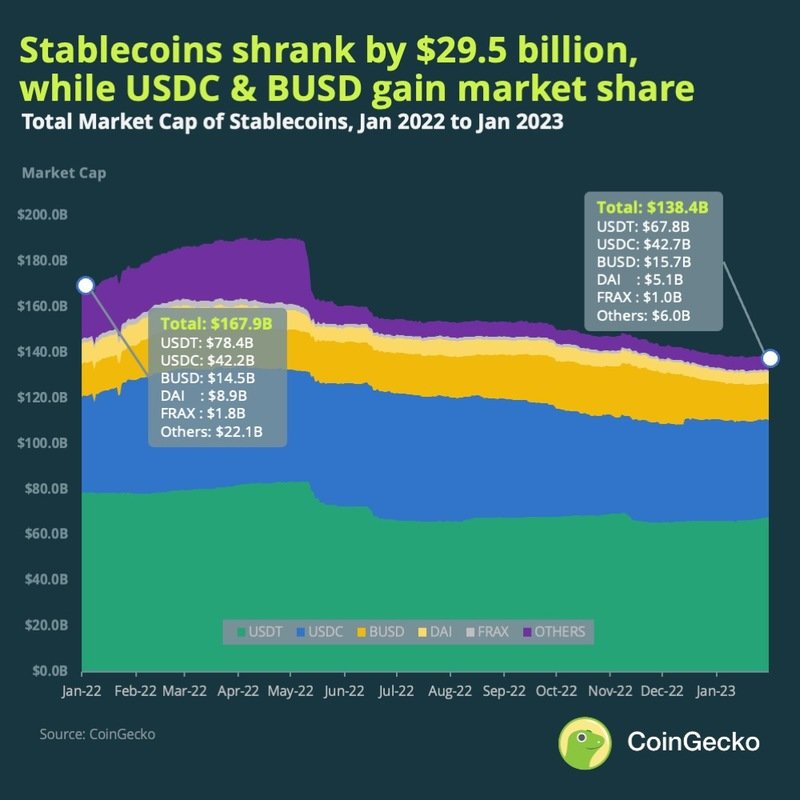

The stablecoin market growth is capturing significant attention as its size skyrockets from a mere $4 billion in early 2020 to an astonishing $272 billion projected by October 2025. This rapid expansion highlights the shift of stablecoins from their initial role as crypto trading instruments to pivotal players in decentralized finance and cross-border payments, demonstrating their versatility in modern finance. With around 99% of these stablecoins pegged to the US dollar, their stability and reliability serve as an attractive option for consumers and investors alike. Furthermore, regulatory frameworks, such as the European Union’s MiCA and the upcoming GENIUS Act in the US, aim to provide necessary oversight, ensuring that stablecoin issuers maintain robust asset backing and facilitate seamless transactions. However, the Swedish central bank also raises concerns regarding the impact of these digital currencies on financial stability and potential dollarization challenges, making it crucial to navigate this burgeoning landscape carefully.

The rapid emergence of digital currencies tied to stable assets, commonly referred to as stablecoins, is reshaping the financial landscape. As alternative payment systems gain traction, their integration into decentralized finance and global payment solutions showcases an evolution in how consumers and businesses engage with digital transactions. Regulatory efforts are also on the rise, as authorities develop frameworks to govern these assets, ensuring consumer protection and market integrity. With a vast majority of these currencies linked to traditional fiat like the US dollar, they offer a familiar level of security for users venturing into the digital currency space. Observing this trend opens up discussions on the broader implications for financial stability, innovation, and the future of cross-border transactions.
The Incredible Growth of the Global Stablecoin Market
The global stablecoin market has experienced remarkable growth, skyrocketing from a modest $4 billion in early 2020 to an astonishing $272 billion by October 2025. This surge reflects the increasing adoption and utility of stablecoins, particularly as tools that extend beyond mere cryptocurrency trading. Stablecoins, primarily pegged to the US dollar, are becoming central components of the broader financial ecosystem, illustrating their critical role in facilitating transactions within decentralized finance (DeFi) and enhancing the efficiency of cross-border payments.
This robust growth trajectory indicates that investors and businesses are recognizing the multitude of advantages stablecoins offer. Their ability to provide price stability amidst the often volatile cryptocurrency landscape has made them attractive for both individual and institutional investors. Moreover, the integration of stablecoins into various financial applications is fostering innovative financial solutions that promise to reshape how international payments and financial services operate.
Stablecoin Regulation and Its Impact on the Financial Landscape
As the stablecoin market evolves, regulatory frameworks are crucial in ensuring market integrity and protecting consumers. The European Union’s MiCA (Markets in Crypto-assets) framework is a significant step in this regulatory landscape, mandating stablecoin issuers to have full asset backing and enable instant redemption at face value. Such regulations are vital in establishing trust among users and investors, which is especially important as stablecoins continue to capture significant share of the global market.
In contrast, the proposed GENIUS Act in the United States is set to further reshape the regulatory environment for stablecoins. Expected to be implemented in July 2025, this act aims to provide more flexible asset support structures for stablecoin issuers, promoting innovation while attempting to mitigate the risks associated with financial stability and potential bank runs. Balancing regulation while encouraging growth in the stablecoin space is essential for fostering a sustainable financial environment in the face of rapid technological advancements.
Decentralized Finance (DeFi) and the Rise of Stablecoins
Decentralized finance (DeFi) has emerged as one of the most exciting applications for stablecoins, enabling users to engage in a variety of financial transactions without relying on traditional banking systems. This shift represents a fundamental change in how finance is perceived and accessed, with stablecoins serving as a bridge between digital assets and everyday economic activities. Their unique properties make them ideal for lending, borrowing, and trading within DeFi platforms, further cementing their role in the financial future.
Moreover, the integration of stablecoins in DeFi protocols enhances liquidity, allowing users to conduct transactions rapidly and at lower costs compared to conventional methods. As DeFi continues to expand, the reliance on stablecoins is expected to grow, creating more opportunities for innovation while challenging existing financial infrastructures. Thus, stablecoins are not only key players in DeFi but are also pivotal in redefining the global financial landscape.
Cross-Border Payments: The Role of Stablecoins
Cross-border payments have traditionally been impeded by high fees and lengthy processing times. Stablecoins are poised to revolutionize this sector, making international transactions faster, cheaper, and more efficient. By using stablecoins for cross-border trades, individuals and businesses can bypass the delays associated with traditional banking systems and enjoy the benefits of blockchain technology. This innovation not only reduces costs but also enhances accessibility for individuals in emerging markets.
As more companies and financial institutions begin to adopt stablecoins for their cross-border transactions, the existing payment systems may face significant challenges. Stability in value ensures that both senders and recipients can transact confidently, thereby fostering greater international trade and cooperation. Innovations in this area are a testament to the transformative potential of stablecoins regarding how money is moved around the world.
The Future of Stablecoins in a Digital Economy
The future of stablecoins appears bright, especially as more individuals and businesses recognize their utility and efficiency. As the global economy increasingly shifts towards digital currencies, stablecoins are expected to play a central role by providing a stable store of value that can seamlessly integrate into various digital platforms. This integration will facilitate not only personal transactions but also larger financial operations such as remittances and international trade.
Moreover, ongoing advancements in technology and regulatory frameworks could further enhance the appeal of stablecoins in the digital economy. As institutions experiment with different means of leveraging stablecoins, the potential for innovation remains high. Therefore, stakeholders ranging from regulators to tech developers should remain vigilant and adaptable, ensuring that the evolution of stablecoins aligns with broader economic objectives while mitigating any associated risks.
Understanding the Risks Associated with Stablecoins
While stablecoins offer numerous advantages, they are not without their risks. The Swedish central bank, in its recent report, highlighted concerns about the potential exacerbation of financial stability risks and dollarization effects stemming from widespread stablecoin adoption. These risks could manifest in several ways, including bank runs triggered by large-scale withdrawals if the stability of stablecoins is questioned, underscoring the importance of robust regulatory measures.
Furthermore, the lack of uniform regulation across jurisdictions could lead to inconsistencies in how stablecoins operate globally. As the market lacks standardized guidelines, regulators must work collaboratively to create consistent frameworks that prioritize consumer protection while fostering innovation. Understanding these risks will be key for both regulators and participants in the stablecoin ecosystem as they navigate the rapidly evolving financial landscape.
Leveraging Stablecoins for Financial Inclusion
Stablecoins have the potential to significantly enhance financial inclusion, particularly for unbanked populations in developing regions. By providing a low-cost means of access to a stable monetary instrument, stablecoins can help individuals engage in economic activities that previously seemed beyond reach. This democratization of financial services empowers marginalized communities to participate in the global economy, unlocking numerous opportunities for entrepreneurship and growth.
Moreover, stablecoins can reduce reliance on unreliable local currencies, enabling individuals to safeguard their savings and make transactions in a stable digital asset. As the global market for stablecoins continues to expand, the implications for financial inclusion could be profound, offering innovative pathways to economic empowerment that transcend traditional barriers.
The Impact of Economic Policies on Stablecoin Adoption
Economic policies at national and international levels play a critical role in shaping the adoption and integration of stablecoins into the financial system. As governments grapple with inflationary pressures and evolving monetary policies, stablecoins may act as alternative tools for managing financial transactions. This is particularly pertinent in countries facing economic instability, where the appeal of a stablecoin pegged to a stronger currency becomes increasingly attractive.
Implementation of policies that are favorable towards digital assets can significantly influence the trajectory of stablecoin adoption. For instance, by encouraging innovation in the financial technology sector and establishing clear regulatory frameworks, countries can create environments conducive to the growth of stablecoins. As economic policies evolve to account for the digital transformations taking place globally, stablecoins are likely to take center stage in the economic dialogue.
Future Research Directions for Stablecoins
As stablecoins continue to gain traction across various sectors, future research directions must address the emerging trends and implications of their widespread adoption. Scholars and industry experts need to investigate how stablecoins might adapt to changing regulatory landscapes, technological advancements, and consumer behaviors. This research is vital in understanding their impact on traditional banking systems and the potential for fostering innovation in payment technologies and financial services.
Additionally, investigations into the economic implications of stablecoins—such as their effects on inflation, monetary policy, and banking stability—will be crucial as they become integral to the financial landscape. Collaborative research efforts among governments, academics, and private sector stakeholders will enable the development of frameworks that can effectively harness the benefits of stablecoins while minimizing associated risks.
Frequently Asked Questions
What is driving the growth of the stablecoin market?
The growth of the stablecoin market can be attributed to increased demand for digital currencies in decentralized finance (DeFi) applications and cross-border payments. As stablecoins offer price stability—primarily pegging to the US dollar—they have become essential tools for investors and users seeking reliable alternatives to traditional currencies, especially amid volatile market conditions.
How will stablecoin regulation impact market growth?
Stablecoin regulation, such as the EU’s MiCA framework and the upcoming GENIUS Act in the U.S., aims to enhance investor protection and financial stability. By requiring stablecoin issuers to maintain full asset backing and allowing for flexible asset support structures, these regulations will create a more secure environment that can promote further growth in the global stablecoin market.
What are the primary applications fueling stablecoin market growth?
The primary applications propelling stablecoin market growth include their use in decentralized finance (DeFi) platforms and facilitating cross-border payments. With approximately 99% of stablecoins pegged to the US dollar, they offer a reliable medium of exchange that enhances transaction efficiency and reduces the costs associated with traditional financial systems.
What challenges does the stablecoin market face regarding financial stability?
Despite the potential benefits, the stablecoin market faces challenges that could impact financial stability. According to the Swedish central bank, the widespread adoption of stablecoins raises concerns over dollarization and the possibility of increased financial instability, especially during bank runs. Ongoing regulatory discussions are crucial to address these risks while leveraging the advantages of stablecoins.
How is the global stablecoin market expected to evolve by 2025?
By 2025, the global stablecoin market is projected to expand significantly, potentially reaching $272 billion. This growth will likely be driven by increased adoption in decentralized finance and international payments, combined with evolving regulation that supports secure and efficient usage while mitigating associated risks.
Can stablecoins improve payment efficiency?
Yes, stablecoins have the potential to significantly improve payment efficiency. Their use in cross-border payments can lower transaction times and costs compared to traditional banking methods. By offering quick settlements and reducing currency volatility, stablecoins are becoming an increasingly attractive option for both consumers and businesses.
What role do decentralized finance (DeFi) platforms play in the stablecoin market growth?
Decentralized finance (DeFi) platforms play a crucial role in stablecoin market growth by providing a range of financial services—such as lending, borrowing, and trading—without traditional intermediaries. As more users turn to DeFi for financial solutions, the demand for stablecoins as a stable and reliable medium of exchange within these platforms continues to rise.
How does the stablecoin market impact traditional financial systems?
The stablecoin market poses both challenges and opportunities for traditional financial systems. While it introduces competition that can enhance payment efficiency and foster innovation, it also raises concerns regarding regulatory oversight, dollarization, and potential risks associated with bank runs. Financial institutions and regulators must adapt to these changes to maintain stability.
What importance do central banks place on stablecoins?
Central banks, like Sweden’s, have been focusing on the implications of stablecoins in the financial system. They are interested in examining how stablecoin issuers might access central bank settlement systems and reserves. Understanding stablecoins’ impact on monetary policy and financial stability is essential for central banks in a rapidly evolving financial landscape.
| Key Points | Details |
|---|---|
| Market Size Growth | From $4 billion in 2020 to $272 billion by October 2025 |
| Pegging | Approximately 99% are pegged to the US dollar |
| Applications | Expanding from crypto trading to decentralized finance and cross-border payments |
| Regulatory Framework (EU) | MiCA framework requires full asset backing and instant redemption |
| Regulatory Framework (US) | GENIUS Act to be implemented in July 2025 for flexible asset support |
| Warnings | Concerns about dollarization, financial stability risks, and bank runs |
| Potential Benefits | Could enhance payment efficiency |
| Central Bank Study | Exploring issuer access to central bank’s settlement system |
Summary
The stablecoin market growth has been remarkable, escalating from $4 billion to a projected $272 billion by 2025. This exponential increase reflects the rising adoption of stablecoins, particularly those pegged to the US dollar, beyond mere crypto trading to include vital roles in decentralized finance and international transactions. As regulatory frameworks like the EU’s MiCA and the upcoming US GENIUS Act take shape, the landscape will evolve, albeit with caution towards the risks of financial stability and dollarization that central banks are closely monitoring. The potential benefits of stablecoins in enhancing payment efficiencies cannot be overlooked, which is why continuous observation of this market will be crucial in the coming years.
Related: More from DeFi & Stablecoins | Stablecoin Payments Focus Shifts to User Networks | ETH Bounces Back: Why TradFi Favors ETH Rise in Stablecoin