


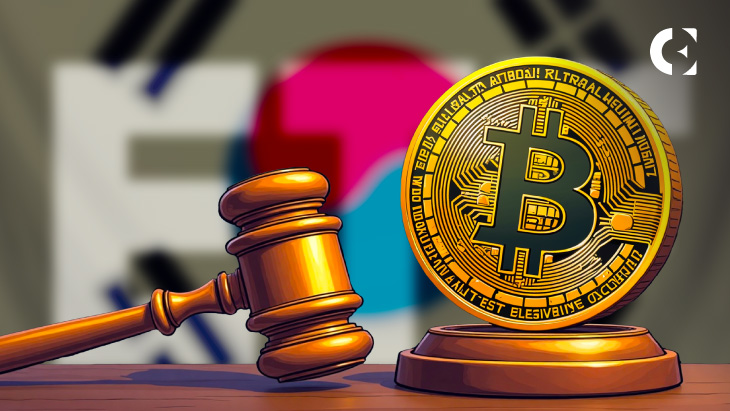

On December 11, 2025, the South Korea Bitcoin ruling brought significant implications for cryptocurrency regulation in the nation. The Supreme Court determined that Bitcoin stored on centralized exchanges is classified as assets subject to seizure under the Criminal Procedure Act, impacting how Bitcoin trading regulations may evolve in the future. This landmark decision involved the seizure of 55.6 Bitcoins from a suspect linked to a money laundering case, highlighting the legal risks associated with cryptocurrency in South Korea. By recognizing Bitcoin’s economic value and manageability, the court has raised awareness regarding cryptocurrency legal risks among traders and platform operators. As a result, businesses like Upbit and Bithumb must navigate tightened regulations and comply with existing money laundering laws in a rapidly changing digital landscape.

The Supreme Court ruling regarding Bitcoin in South Korea signals a pivotal moment in the governance of digital currencies within the country. This decision categorizes Bitcoin held in centralized platforms as seizable assets, directly affecting how individuals and companies engage in cryptocurrency transactions. The implications of such a verdict resonate with concerns over illegal activities, including money laundering, as law enforcement gains more authority to intervene in trades. Consequently, cryptocurrency users must remain vigilant about the potential legal ramifications of their investments, particularly in light of this recent precedent. The landscape of digital asset management is shifting, prompting both traders and exchanges to reassess their operations and compliance strategies.
Understanding the South Korea Bitcoin Ruling
The landmark ruling by the Supreme Court of South Korea on December 11, 2025, has significant implications for the cryptocurrency landscape in the country. This decision, which categorizes Bitcoin held in centralized exchanges as assets subject to seizure under the Criminal Procedure Act, underscores the increasing scrutiny that cryptocurrencies are under from regulatory authorities. The court’s stance that Bitcoin has independent manageability and economic value marks a pivotal turn in how legal systems view digital currencies.
This ruling aligns with global trends where various jurisdictions are grappling with how to regulate cryptocurrencies within existing legal frameworks. By classifying Bitcoin as a negotiable asset, the South Korean Supreme Court has set a precedent that could influence future legal interpretations regarding cryptocurrency. Users trading on platforms like Upbit and Bithumb must now recognize the enhanced legal risks associated with their Bitcoin holdings, particularly in light of money laundering laws that require rigorous compliance.
Implications for Bitcoin Trading Regulations
Following the Supreme Court’s ruling, Bitcoin trading regulations in South Korea are poised for transformation. The decision brings clarity to the legal status of cryptocurrencies, informing users and traders about potential risks associated with transactions. As regulators tighten their grip on digital asset exchanges, users may find their trading practices affected by enhanced compliance requirements designed to prevent illicit activities.
The implications extend beyond just informed consent for users, as exchanges may need to implement stricter monitoring systems for Bitcoin transactions. Compliance with money laundering laws will necessitate exchanges to conduct thorough due diligence and possibly report suspicious activities. As a result, both traders and exchange operators must adapt to an evolving landscape where adherence to regulatory standards becomes paramount for continued operations.
Legal Risks Associated with Cryptocurrency Holdings
The ruling acknowledges the inherent legal risks associated with cryptocurrency holdings, particularly for individuals involved in trading on centralized exchanges. With the judiciary now recognizing Bitcoin as an asset subject to seizure, users face the stark reality that their digital currencies can be frozen or confiscated. This brings to the forefront the necessity for individuals to fully understand their legal standing when engaging in cryptocurrency-related activities.
Moreover, as South Korea strengthens its stance against illicit operations in the cryptocurrency space, awareness of legal risks becomes critical. Investors must be vigilant about compliance with existing laws to avoid legal entanglements that could arise from the misuse or misreporting of cryptocurrency assets. The potential for Bitcoin seizure not only threatens individual investors but may also shake confidence among broader cryptocurrency market participants.
Navigating Cryptocurrency Legal Frameworks in South Korea
Navigating the legal frameworks surrounding cryptocurrencies in South Korea has become increasingly complex following recent rulings. The Supreme Court’s decision to classify Bitcoin as a seizable asset indicates that both the judiciary and regulatory bodies are evolving in their understanding and treatment of digital currencies. Consequently, it is imperative for investors and traders to familiarize themselves with these legal constructs to mitigate potential risks.
As the legal landscape adapts, participants in the South Korean cryptocurrency market must stay informed about changes to trading regulations and enforcement practices. Engaging with legal experts or staying updated with announcements from regulatory authorities can help mitigate risks associated with cryptocurrency trading and provide insights into best practices for compliance with local laws.
The Role of Centralized Exchanges in Legal Compliance
Centralized exchanges, given their pivotal position in the cryptocurrency ecosystem, play a critical role in ensuring compliance with legal directives in South Korea. The Supreme Court’s ruling signifies a shift that may compel these exchanges to enhance their compliance measures, particularly in relation to money laundering laws. By adopting more stringent procedures for monitoring transactions and verifying user identities, exchanges can better protect themselves against legal repercussions.
With heightened scrutiny, exchanges may need to be proactive in safeguarding against potential Bitcoin seizures due to illegal activities. Implementing robust anti-money laundering protocols not only ensures compliance but also builds trust with users who are increasingly aware of their legal rights and obligations. Consequently, these platforms must find a balance between facilitating seamless trading experiences while adhering to evolving legal requirements.
Impact of Cryptocurrency Regulations on Market Behavior
The recent developments in cryptocurrency regulations, particularly the South Korea Bitcoin ruling, are likely to have a profound impact on market behavior. As regulations become stricter, investors may adjust their trading strategies to align with the legal landscape. For instance, potential Bitcoin seizure may deter some users from holding significant amounts of cryptocurrency on centralized platforms, thereby affecting liquidity and trading volumes.
Moreover, the possibility of increased legal scrutiny may lead to market volatility as investors react to regulatory announcements and judicial decisions. Anticipating shifts in market sentiment, traders may hedge their bets against potential downturns induced by regulatory actions. This dynamic illustrates the interconnectedness of legal frameworks and market behaviors in the cryptocurrency landscape.
Future of Cryptocurrency Legislation in South Korea
The future of cryptocurrency legislation in South Korea appears to be heading towards greater regulation and oversight, particularly in the aftermath of the Supreme Court’s ruling. The recognition of Bitcoin as an asset subject to seizure indicates that policymakers are more committed than ever to tackling issues related to financial crimes, including money laundering and fraud. This commitment may lead to a comprehensive legal framework that governs various aspects of cryptocurrency trading.
As South Korea continues to fine-tune its approach, stakeholders in the cryptocurrency market can expect more definitive guidelines regarding compliance and operational practices. This could ultimately lead to an environment that fosters innovation alongside consumer protection, balancing the need for regulation with the dynamic nature of the cryptocurrency market.
Enhancing User Knowledge on Cryptocurrency Laws
In light of the recent ruling by the South Korean Supreme Court on Bitcoin, there is an urgent need to enhance user knowledge regarding cryptocurrency laws. Users of platforms such as Upbit and Bithumb should strive to educate themselves about the legal ramifications of their activities, including the potential for Bitcoin seizure and the associated risks. Increased awareness can empower users to make informed decisions about their trading practices.
Efforts to improve user education could encompass the provision of resources, legal consultations, and workshops aimed at demystifying the complex legal landscape surrounding cryptocurrencies. Ensuring that users understand the implications of their holdings on centralized exchanges can promote safer trading environments and contribute to a cultural shift where compliance and vigilance become societal norms in the cryptocurrency space.
Sustaining Trust in Cryptocurrency Platforms Post-Ruling
In the aftermath of the South Korea Bitcoin ruling, sustaining trust in cryptocurrency platforms has become paramount. As users grapple with the legal implications of their assets, exchanges must adopt transparent practices to retain consumer confidence. This includes clearly communicating how their operations align with the Supreme Court’s decision and outlining the measures taken to comply with money laundering regulations.
Moreover, exchanges that prioritize user security and education can differentiate themselves in a crowded market. By actively engaging with their user base, providing updates on legal developments, and reinforcing the importance of compliance, these platforms can foster a more resilient relationship with users, ultimately contributing to a more stable and trustworthy cryptocurrency ecosystem.
Frequently Asked Questions
What does the South Korea Supreme Court ruling on Bitcoin seizure mean for cryptocurrency holders?
The South Korea Supreme Court ruling established that Bitcoin stored in centralized exchanges is subject to seizure under the Criminal Procedure Act. This means that cryptocurrency holders must be aware that their assets can be frozen or seized if linked to criminal activities, increasing the legal risks associated with Bitcoin trading.
How does the South Korea Bitcoin ruling affect Bitcoin trading regulations?
The South Korea Bitcoin ruling clarifies Bitcoin trading regulations by categorizing Bitcoin as an asset susceptible to seizure. This indicates a more stringent approach towards cryptocurrency, suggesting that users will need to ensure compliance with money laundering laws to mitigate potential risks.
Are there legal risks associated with Bitcoin trading in South Korea following the Bitcoin seizure ruling?
Yes, following the South Korea Bitcoin ruling, there are heightened legal risks for Bitcoin traders. The Supreme Court recognized Bitcoin’s manageability and value, which indicates that authorities can easily track and seize assets, especially if they are connected to illicit activities like money laundering.
What implications does the South Korea Supreme Court ruling have on cryptocurrency legal risks?
The South Korea Supreme Court ruling significantly impacts cryptocurrency legal risks by making it clear that Bitcoin can be seized if it’s involved in criminal cases. As such, individuals investing or trading Bitcoin must remain compliant with applicable laws to avoid potential seizures of their assets.
How might the South Korea Bitcoin ruling influence future cryptocurrency regulations?
The South Korea Bitcoin ruling could pave the way for more comprehensive cryptocurrency regulations that address asset manageability and legal compliance. Lawmakers may introduce stricter guidelines to prevent money laundering and ensure that Bitcoin trading aligns with existing legal frameworks.
| Key Point | Details |
|---|---|
| Date of Ruling | December 11, 2025 |
| Court | Supreme Court of South Korea |
| Main Decision | Bitcoin held in centralized exchanges can be seized under Criminal Procedure Act |
| Specific Case | 55.6 Bitcoins seized from a suspect involved in money laundering |
| Key Recognitions | Bitcoin has independent manageability, tradability, and economic value |
| Impact on Users | Greater legal risks for users of exchanges like Upbit and Bithumb regarding asset seizure |
Summary
The South Korea Bitcoin ruling marks a significant legal precedent, establishing that cryptocurrencies stored in centralized exchanges are classified as assets subject to seizure. This not only underlines the increasing legal scrutiny on digital currencies but also emphasizes the importance for users of trading platforms to be aware of their legal responsibilities. With cryptocurrencies like Bitcoin recognized for their economic value and manageability, the court’s decision signals a shift towards tighter regulations that can directly impact user transactions in the crypto space.
Related: More from Bitcoin News | Stablecoin Strength Pressures Bitcoin Treasury | Analysts: No Evidence of Jane Street Bitcoin Manipulation, ETF Demand Soars