


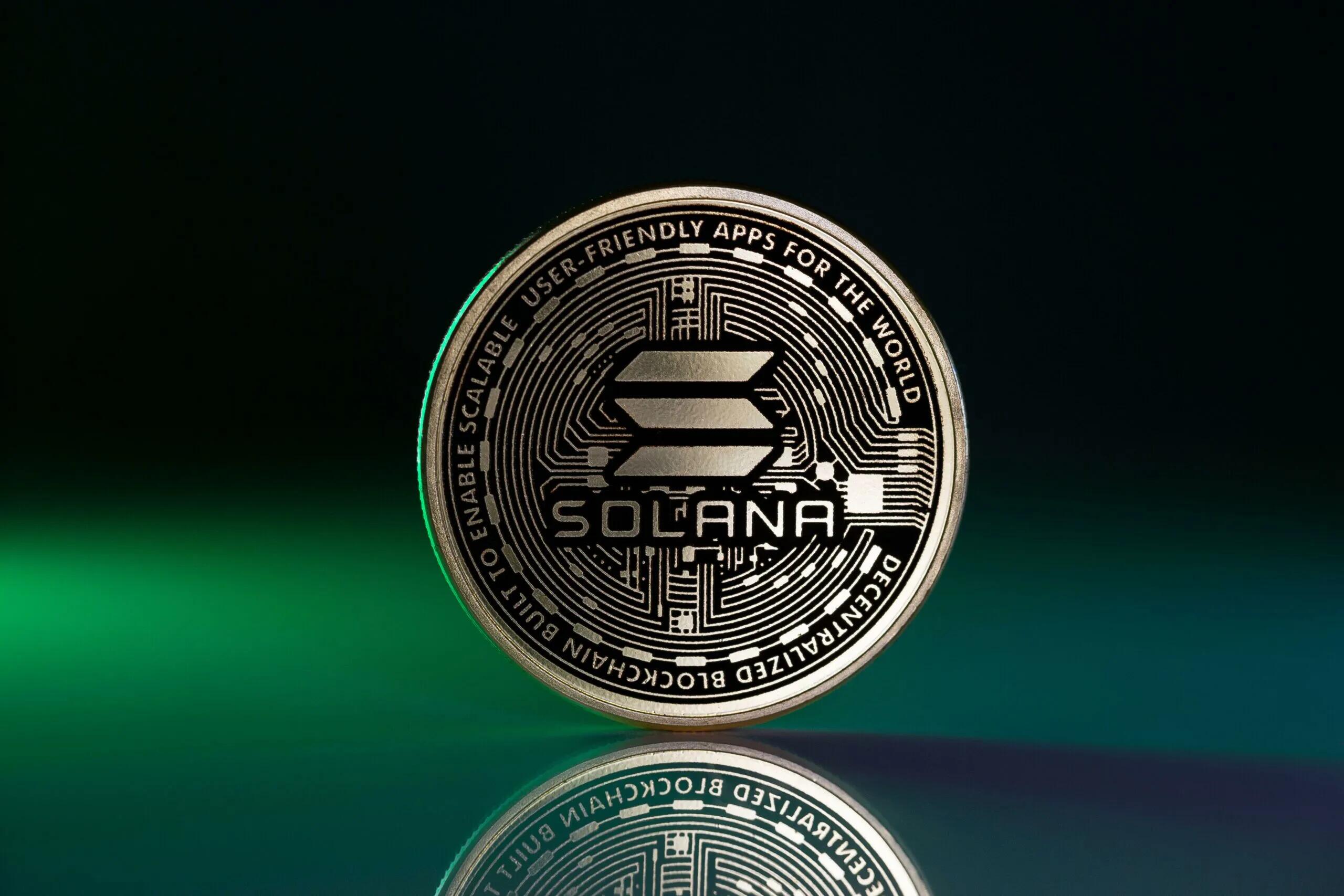

Solana is rapidly emerging as a pivotal settlement layer for major financial institutions, including giants like Visa and JPMorgan, which indicates a significant shift in the perception of blockchain technology in modern finance. Recent advancements, such as the introduction of the Wyoming stablecoin using Solana’s infrastructure, further solidify its growing reputation and institutional acceptance. The participation of powerful entities in the Solana network, particularly through developments like JPMorgan’s tokenized commercial paper, highlights a mounting confidence in its capabilities. However, while enthusiasm grows, concerns about Solana’s validator concentration and associated risks present challenges that potential partners are closely scrutinizing. As the landscape of finance evolves, Solana stands at the forefront of a revolution, driven by both opportunity and caution from the financial sector.

The rise of Solana in the financial arena reflects a broader trend where blockchain technology is being increasingly embraced by traditional financial entities. As major players like Visa and JPMorgan explore the advantages of this high-performance network, Solana has captured attention not only for its speed and efficiency but also for innovations like the Wyoming state-backed stablecoin. This indicates a significant convergence of digital currency frameworks with established financial systems. Nevertheless, questions regarding the centralization of validators within the Solana ecosystem highlight ongoing considerations in its adoption by large-scale institutions. This dynamic environment encourages further exploration into how Solana can balance innovation with the inherent risks of its operational model.
The Rise of Solana as a Financial Infrastructure
Solana is quickly emerging as a significant infrastructure for various financial institutions, including giants like Visa and JPMorgan. As a high-speed blockchain known for its low transaction costs and scalability, Solana offers a compelling solution for institutions looking to modernize their payment systems. The growing interest among these financial powerhouses stems not only from technical advantages but also from its strategic collaborations and significant market movement.
Recent developments highlight the crucial role Solana is playing as a settlement layer. The launch of the Wyoming stablecoin on its network exemplifies institutional confidence in its framework. By facilitating transactions backed by reputable financial assets, Solana positions itself not only as a facilitator of cryptocurrency transactions but as a pioneer in supporting a regulated financial environment. This credibility is vital for attracting further institutional partnerships.
Understanding the Wyoming Stablecoin Initiative
On January 7, 2026, the Frontier Stable Token was revealed as Wyoming’s state-backed stablecoin, establishing a digital dollar tethered to real assets under the management of Franklin Templeton. This launch signifies a significant endorsement of Solana’s technology, emphasizing its viability in real-world applications. In an era where digital currencies require regulatory compliance, this initiative demonstrates Solana’s capability to align with state regulations, thereby enhancing investors’ and institutions’ trust.
The collaboration with Franklin Templeton, an asset manager handling trillions of dollars, strengthens the legitimacy of the Solana network. By leveraging Kraken for distribution, this stablecoin not only facilitates transactions but also showcases how Solana can support large-scale financial products. The launch of a regulated stablecoin is a major step, suggesting that Solana is receptive to institutional standards while navigating the complexities of cryptocurrency regulation.
Institutional Engagement with Solana
The recent flurry of activity surrounding Solana from institutions like Visa and JPMorgan underscores a growing interest in its potential applications. Visa’s decision to expand its USDC settlement capabilities on Solana reflects a strategic move to enhance operational efficiency in the burgeoning stablecoin market. Similarly, JPMorgan’s foray into tokenized commercial paper signals a broader acceptance of blockchain technology in mainstream finance.
These initiatives highlight how institutions are not merely experimenting but are proactively integrating Solana’s infrastructure into their operations. The ability of Solana to carry out substantial transaction volumes, such as facilitating $3.5 billion in stablecoin transactions annually, positions it as a competitive player in the arena of digital finance, showing substantial momentum towards adoption by mainstream financial institutions.
Addressing Centralization Risks in Solana
Despite the heightened institutional interest in Solana, concerns about network centralization persist. Numerous critics point to the significant concentration of stake held by a limited number of validators as a potential risk. This centralization raises questions regarding the robustness and reliability of the network, making it imperative for Solana’s community to address these vulnerabilities to ensure sustained institutional confidence.
In response to these concerns, initiatives such as the Firedancer validator client introduced by Jump Crypto aim to diversify the validator landscape. By promoting a more decentralized network, Solana can enhance its resilience against outages or attacks. However, the continued scrutiny of validator concentration and associated operational risks remains a challenge that Solana must navigate to secure its standing as a trusted settlement layer for financial institutions.
Key Metrics to Monitor Solana’s Institutional Adoption
The trajectory of Solana’s institutional adoption hinges on several key metrics in the coming year, providing a barometer for assessing its future role in finance. One significant metric includes the launches of Exchange-Traded Products (ETPs), particularly those filed by Morgan Stanley, which will reveal how quickly these products can garner asset inflows. An uptick in funding and asset accumulation will indicate a robust institutional interest in Solana.
Another critical metric is the growth of the stablecoin market on Solana. Monitoring the rate of issuance and adoption of stablecoins will shed light on how effectively Solana can serve as a payment rail within the broader financial ecosystem. Lastly, the stability of the network itself will be paramount; observing how well it performs under strain and any incidents that may arise will help to reassess its risk profile in the eyes of potential institutional partners.
Shifting Perceptions of Solana Among Institutions
Historically, the approach of financial institutions towards Solana has been cautiously optimistic, marked by skepticism primarily due to its nascent stage and perceived risks. However, recent developments indicate a shift in perception as institutions begin to view Solana through a more balanced lens. The recognition of Solana’s capabilities, coupled with regulatory support, has fostered an environment where traditional finance starts to seriously consider embracing blockchain technology.
This changing narrative showcases how institutions are transitioning from merely testing Solana’s features to exploring deeper integrations within their operational frameworks. As the understanding of Solana evolves, institutional players seem prepared to adapt their strategies to leverage blockchain for efficiency and innovation, thereby indicating a significant moment in the evolution of financial technologies.
The Integration of Tokenization in Solana’s Ecosystem
One of the more intriguing developments related to Solana is its role in tokenizing assets, as exemplified by JPMorgan’s use of the Solana network for the issuance of commercial paper. By leveraging blockchain for tokenization, institutions can generate efficiencies, reduce costs, and enhance security within transactions. This trend toward tokenization aligns with Solana’s capabilities, promising to streamline existing financial processes.
The implementation of tokenization via Solana has the potential to redefine how financial products and services are structured and managed. By offering a transparent, immutable ledger for transactions, institutions can facilitate quicker settlements and reduce counterparty risks. This innovation presents a unique opportunity for financial institutions to modernize their practices, ultimately contributing to the broader adoption of blockchain technology in mainstream finance.
Evaluate Solana’s Future in Financial Services
The future of Solana in financial services is poised for growth as institutions increasingly recognize its potential for facilitating efficient transactions. As Solana continues to enhance its infrastructure and address centralization concerns, its appeal to financial entities is expected to broaden. Developing future-proof solutions will be essential for maintaining its competitive edge in the digital finance landscape.
Moreover, as the landscape of financial services evolves, Solana’s adaptability to regulatory shifts will play a key role in its success. Institutions are likely to prioritize platforms that not only offer technological advancements but also demonstrate compliance with existing and future regulations. Thus, Solana’s continued evolution will significantly influence its ability to establish and maintain partnerships with traditional finance players.
Implications of Solana’s Growth on Traditional Financial Systems
The rise of Solana brings forth significant implications for traditional financial systems, fundamentally altering how transactions are conducted and processed. As more institutions consider integrating Solana into their operations, we may witness a movement towards a more decentralized and efficient financial ecosystem. This could potentially lead to reduced costs for consumers and businesses alike, as blockchain technology streamlines processes that have long been dominated by intermediaries.
Furthermore, if Solana continues to prove its reliability and efficiency as a settlement layer, it could catalyze a broader acceptance of blockchain across various sectors beyond financial services, encouraging innovation and competitive dynamics. This evolution may ultimately reshape the landscape of finance, challenging traditional players to adapt or risk obsolescence in an increasingly digital world.
Frequently Asked Questions
What role is Solana playing for financial institutions like JPMorgan?
Solana is positioning itself as a key settlement layer for major financial institutions, including JPMorgan. The bank has been exploring the use of Solana for tokenizing commercial paper and settlement of transactions, reflecting a growing institutional interest in its blockchain technology.
How does the Wyoming stablecoin on Solana validate its financial infrastructure?
The launch of the Frontier Stable Token by Wyoming, which operates on Solana’s network and is backed by reserves managed by Franklin Templeton, highlights Solana’s legitimacy. This state-backed stablecoin signifies that Solana is increasingly being recognized as a viable platform for regulated financial applications.
What are the risks associated with Solana’s validator concentration?
Solana faces significant risks due to a high concentration of stake among a limited number of validators. This centralization can lead to concerns about resilience and network security. However, initiatives like the Firedancer validator client are being developed to promote greater diversity and decentralization within the network.
How is Solana’s network contributing to Visa’s settlement capabilities?
Solana’s network enhances Visa’s USDC settlement capabilities, which have facilitated around $3.5 billion in annual stablecoin transactions. This underscores Solana’s growing role in mainstream payment systems and its attractiveness to financial giants.
What metrics should investors watch to gauge institutional commitment to Solana?
Key metrics include the launch of Exchange-Traded Products (ETPs) by firms like Morgan Stanley, the growth of the stablecoin market on Solana, and the network’s stability. These indicators will help assess whether institutions are incorporating Solana into their operations or merely experimenting.
| Key Point | Details |
|---|---|
| Wyoming’s Stablecoin Launch | Wyoming introduced the Frontier Stable Token, a state-backed digital dollar managed by Franklin Templeton, distributed via Kraken on Solana’s network. |
| Institutional Engagement | Visa and JPMorgan are significantly integrating Solana into their operations, with Visa expanding USDC settlements and JPMorgan tokenizing commercial paper using Solana. |
| Centralization Concerns | Solana faces criticism for validator concentration but initiatives like the Firedancer validator client aim to enhance network resilience. |
| Metrics to Watch | Key indicators include ETP launches, stablecoin market growth on Solana, and overall network stability to assess institutional integration. |
Summary
Solana is emerging as a pivotal settlement layer for major financial institutions, marking a shift in institutional engagement with blockchain technology. As financial giants like Visa and JPMorgan explore and embed Solana within their operations, the outlook for Solana’s role in the financial landscape is promising. Despite centralization concerns, initiatives to improve network diversity and key metrics to monitor future developments indicate a significant evolution in trust and adoption of Solana within regulated environments.