


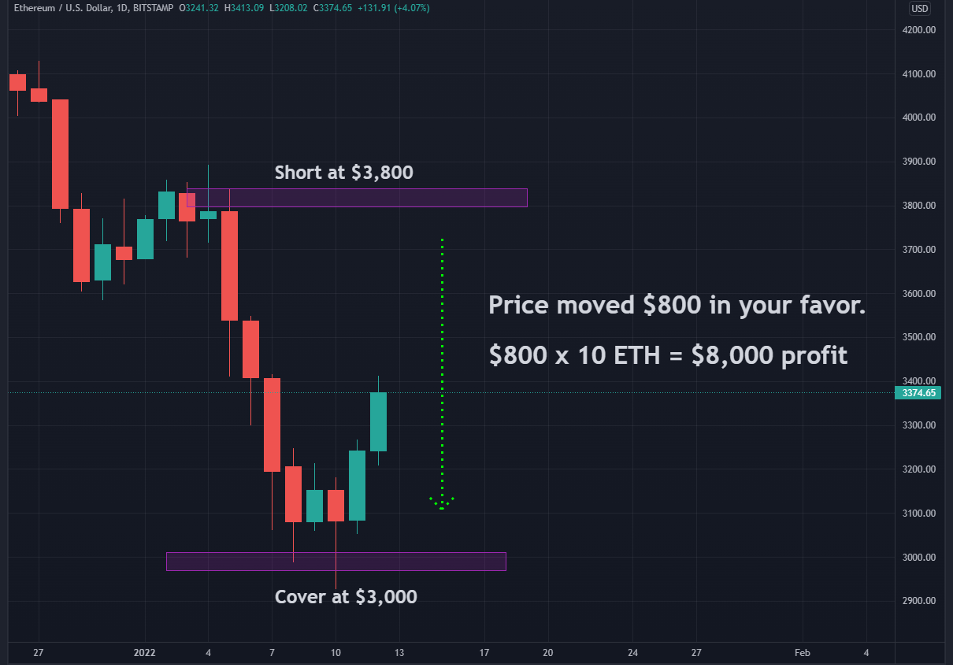

Shorting ETH has emerged as a significant strategy in crypto trading, especially for investors looking to capitalize on market downturns. Recently, an address leveraging 10x to short Ethereum has seen its position swell to an impressive 21,800 ETH, reflecting the intricacies and risks involved in leverage trading ETH. Despite the potential for high returns, this whale address is currently grappling with a floating loss of $719,000, a stark reminder of the volatility in the crypto market. It’s essential for traders to thoroughly assess their risk tolerance when engaging in such strategies, particularly given the complexities associated with whale addresses in the ETH ecosystem. With the ongoing fluctuations in ETH prices, shorting might seem appealing, yet it requires a deep understanding of the dynamics at play within the cryptocurrency landscape.

Engaging in betting against Ethereum, commonly referred to as taking an ETH short position, has become increasingly attractive to traders aiming to profit amid price declines. The practice of betting against assets is not without its challenges; for instance, a notable address employing leverage to short ETH has recently increased its holdings significantly but is now facing substantial losses. This highlights the importance of risk management in the world of leveraged trading, especially when one considers the behavior of major investors or whale addresses in the market. As traders navigate the volatile waters of crypto, understanding these dynamics becomes crucial to mitigating potential floating losses in crypto investments. The landscape of cryptocurrency trading necessitates a comprehensive approach to both opportunity and risk.
Understanding 10x Leverage Shorting in ETH
Leverage trading has become a popular method for crypto traders looking to amplify their potential gains, but it can also significantly increase risk. In the context of shorting ETH, a trader can borrow funds to sell ETH at a higher price, expecting to buy it back at a lower price, thus profiting from the difference. Recently, an on-chain analyst noted a whale address has employed a 10x leverage strategy to short ETH, expanding its position to over 21,800 ETH. With such a high leverage, even minor price fluctuations can drastically impact the trader’s profitability and risk exposure.
However, this whale currently struggles with a floating loss of $719,000, highlighting the inherent risks involved in leverage trading. When engaging in short positions on ETH, traders must be keenly aware of market trends and potential reversals, as a sudden uptick in ETH’s price can lead to significant losses. The average entry price of $3,016 is crucial for understanding the trader’s position. If ETH’s price rises beyond this point, not only does the position incur a floating loss, but it also underscores the fine line between risk and reward in leverage trading.
Analyzing Whale Addresses in Crypto Trading
Whales, or large holders of cryptocurrency, can significantly influence market movements due to the size of their trades. The whale address that has been increasing its short position in ETH is not only a prominent player but also raises questions about market sentiment and potential price directions. By monitoring whale addresses, traders can gain insights into the broader market dynamics, as their actions can signal impending price movements. The phenomenon of whale addresses accumulating long or short positions often reflects their speculative strategies, which can influence retail traders’ strategies.
For example, with the current floating loss of this whale’s short position in ETH, it raises concerns about whether to hold or liquidate. Other traders can observe the whale’s decisions to gauge potential support or resistance levels in ETH’s trading range. A growing short position might signal bearish sentiment; however, if the market rallies, it may indicate an impending squeeze where shorter positions face pressure to close trades, potentially driving prices higher. Understanding the trading activity of whale addresses serves as a practical tool for crypto traders when strategizing their investments.
The Impact of Floating Losses on Trading Decisions
Floating losses are an essential consideration in any trading scenario, particularly in volatile markets like cryptocurrency. In this situation, the whale’s short position in ETH is floating a loss of $719,000. This situation creates a dilemma for traders, as the emotional and psychological factors can heavily influence their trading decisions. Holding onto a losing position in hopes of a market reversal might seem rational, but it can also lead to exacerbated losses if the market continues against one’s position.
In the world of crypto trading, the challenge becomes deciding when to cut losses. The emotional toll of a floating loss can create pressure to act, sometimes leading traders to make rash decisions. This underscores the importance of having a robust trading strategy that incorporates stop-loss limits and exit strategies to manage risk. By doing so, traders can protect against large floating losses that may arise from shifts in market sentiment or unexpected price movements.
Crypto Trading Strategies for Managing Short Positions
Developing a comprehensive trading strategy is vital for effective management of short positions in the volatile crypto market. When shorting ETH, it is crucial to have clear guidelines on entry and exit points based on market analysis and risk tolerance. Traders often employ various technical analysis tools and fundamental analysis to assess whether it’s the right time to short ETH or to cash out on existing short positions. This helps in preventing the overextension of leverage and mitigating floating losses.
Furthermore, employing risk management techniques such as setting profit targets, implementing trailing stop-loss orders, and diversifying trading strategies can enhance overall performance while shorting ETH. A well-structured plan allows traders to react more strategically to market fluctuations, reducing knee-jerk reactions to floating losses and helping them capitalize on potential gains as the market shifts.
Exploring the Role of Leverage in Crypto Market Dynamics
Leverage amplifies both rewards and risks in crypto trading. In the scenario of shorting ETH with 10x leverage, the potent combination can significantly alter a trader’s experience. Utilizing leverage allows traders to control a larger position than their initial capital would permit, which presents opportunities for substantial gains if the market moves favorably. However, this same leverage increases potential losses if the market shifts against their position, as seen with the whale’s substantial floating loss.
Understanding how leverage impacts market dynamics is crucial for crypto traders. In periods of heightened volatility, traders should be particularly wary of the effects of margin calls. Positions that are excessively leveraged can lead to rapid liquidation, amplifying market movements and contributing to overall price instability. By being aware of the implications of leverage in their trading strategies, crypto traders can better navigate the complexities of the market.
Evaluating Market Trends with Whale Behavior
Market trends can often be elucidated through the analysis of whale behavior. The current whale address shorting ETH, reporting substantial floating losses, is indicative of broader market sentiments and potential volatility ahead. When such large players withdraw from their positions or increase them significantly, it can lead to ripple effects throughout the market, impacting retail traders’ decisions and overall confidence.
By keeping a close eye on whale activities, traders can ascertain potential support or resistance levels, which are vital for making informed trading decisions. Understanding these movements allows smaller traders to adapt their strategies proactively. The current position of whale addresses can serve as an early warning sign for shifts in market trends, providing essential insights for the savvy crypto trader.
The Challenges of Short Selling in Crypto Markets
Short selling in cryptocurrencies presents unique challenges compared to traditional equity markets. The volatile nature of cryptocurrencies like ETH can lead to rapid price movements, making timing critical to successful short positions. As demonstrated by the whale’s experience with a floating loss of $719,000, market unpredictability can quickly erode potential profits. Traders must accurately assess market conditions and employ sound analysis methods to avoid undue losses.
Moreover, the liquidity of the crypto market can affect short selling practices. In cases of market rallies, short positions can face significant pressure, possibly triggering forced buyouts that can further drive prices up. The thrill of pursuing leverage trading can lead to substantial profits, but the risks of short selling should not be underestimated. Effective risk management and strong analytical skills are crucial for overcoming the inherent challenges of short selling in the crypto space.
Strategies to Minimize Floating Losses in Crypto Trading
Minimizing floating losses is a paramount concern for any trader in the crypto market, particularly those utilizing leverage. Implementing a well-thought-out risk management strategy can help traders maintain a more favorable trading position. For instance, setting stop-loss orders can mitigate losses by automatically closing positions once a certain price point is reached, which is especially useful when trading ETH. This preemptive measure can help traders manage risks actively, particularly in volatile markets.
Furthermore, continuous market analysis is essential to stay ahead of potential price movements. By being aware of market trends and news that can impact crypto prices, traders can adjust their strategies accordingly. Leveraging analytics tools to track ETH’s trading patterns can aid in making more informed decisions, potentially reducing the likelihood of incurring large floating losses during adverse market moves.
Conclusion: Navigating the Crypto Trading Landscape
Navigating the crypto trading landscape requires thorough knowledge and experience, especially regarding leverage trading and short positions. As depicted in the current scenario, the whale address shorting ETH serves as both a cautionary tale and a lesson for traders hoping to adopt similar strategies. Understanding the intricacies of leverage, market sentiment, and price fluctuations will empower traders as they engage with digital assets.
In conclusion, successful trading in the crypto market hinges on education, disciplined strategy, and the ability to adapt to ever-changing market conditions. By focusing on risk management, being aware of whale activities, and employing effective trading techniques, traders can enhance their ability to maneuver successfully through the challenges of crypto trading while minimizing risks associated with floating losses.
Frequently Asked Questions
What does it mean to have an ETH short position in crypto trading?
An ETH short position in crypto trading refers to the strategy of borrowing Ethereum (ETH) to sell at the current market price, betting that the price will decrease. Traders aim to buy back ETH at a lower price to return to the lender, profiting from the difference. This strategy is often used in leverage trading ETH for amplified gains but carries significant risks.
How does leverage trading ETH impact the risk of floating loss?
Leverage trading ETH magnifies both potential gains and losses, increasing the risk of floating loss. A floating loss occurs when a position is currently losing value but not yet closed. With increased leverage, even small downward movements in ETH’s price can lead to substantial floating losses, as seen in recent cases with whale addresses in the crypto market.
What are the implications of whale addresses shorting ETH?
Whale addresses shorting ETH can significantly impact market sentiment and price movements. These large holders, often using leverage trading, can create volatility when they open or increase short positions, leading to potential liquidations and affecting overall trading dynamics in the crypto market.
What is a floating loss in crypto and how does it relate to shorting ETH?
A floating loss in crypto refers to the unrealized loss on an open position. In the context of shorting ETH, if the market price of ETH rises after a trader has shorted it, the position incurs a floating loss. This situation is common among traders using leverage, as their positions can quickly move from profitability to loss.
Why is monitoring whale address activity important for shorting ETH strategies?
Monitoring whale address activity is crucial for shorting ETH strategies because these large holders can influence market trends. Their trading actions, such as increasing short positions, provide insights into potential market directions and help other traders gauge market sentiment and volatility.
How can I effectively manage risks when shorting ETH with leverage?
To effectively manage risks when shorting ETH with leverage, traders should implement stop-loss orders, ensure they understand the potential for floating losses, and avoid over-leveraging their positions. Additionally, staying updated on market news and whale movements can help inform better trading decisions.
What should I consider before opening an ETH short position?
Before opening an ETH short position, consider your risk tolerance, market conditions, and the volatility of ETH. Assess potential floating losses and how much leverage you are willing to use. Additionally, monitor whale addresses and their trading strategies, as they can give critical insights into market direction.
How do changes in ETH price affect leveraged short positions?
Changes in ETH price have a direct impact on leveraged short positions. If ETH’s price rises, those with short positions face increased floating losses, potentially triggering margin calls or liquidation. Conversely, if ETH’s price falls, short positions can become profitable, highlighting the risks and rewards associated with leverage trading in crypto.
| Key Point | Details |
|---|---|
| Shorting Position | The whale address has increased its short position to 21,820.69 ETH. |
| Leverage | The position is leveraged at 10x. |
| Current Value | The total value of the position is approximately $66.51 million. |
| Average Entry Price | The average entry price for the position was $3,016. |
| Current Loss | The address is currently facing a floating loss of $719,000. |
Summary
Shorting ETH can be a strategic approach in the cryptocurrency market, as evidenced by a whale’s recent position increase to 21,820.69 ETH, even while incurring a significant floating loss of $719,000. This highlights the volatility and risk associated with such trading strategies, especially when leveraging positions at 10x. Investors should proceed with caution and understand the market dynamics when considering shorting ETH in their trading activities.