

South Korea pursues Taiwan coordination on US chip tariffs as Seoul secures parity safeguard

Key Takeaways
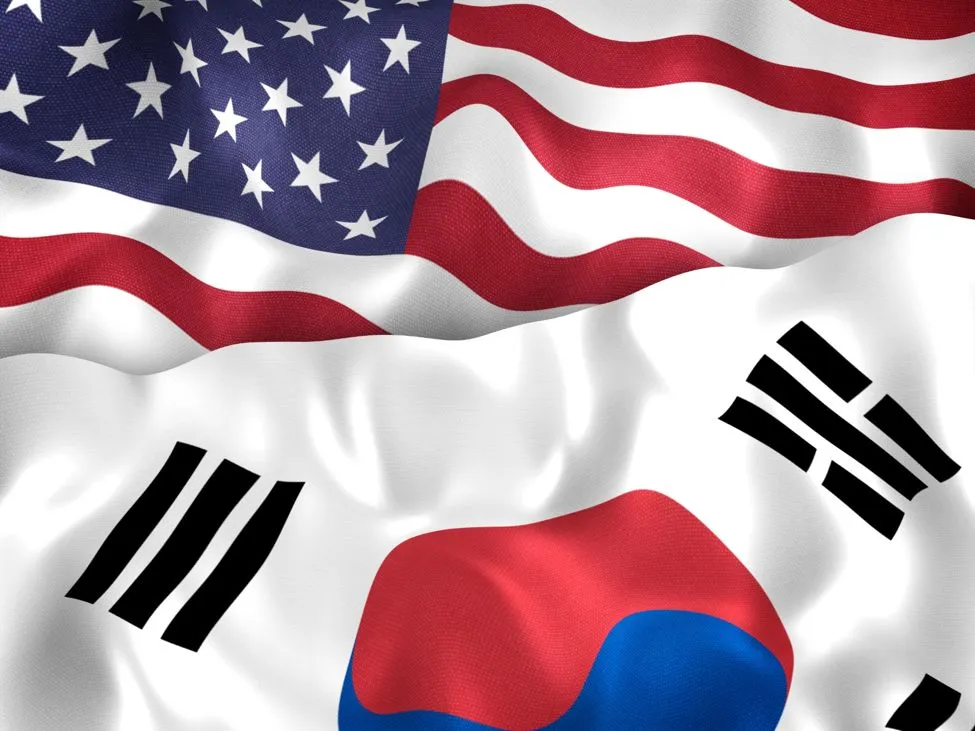
South Korea is exploring coordination with Taiwan on navigating potential US semiconductor tariffs after securing a deal with Washington that locks in tariff parity for Korean chip exports, Trade Minister Yeo Han-koo said in a radio interview. The move comes amid signals from US officials that long-flagged chip levies could be delayed, easing near-term policy risk for the sector.
Coordinated strategy with Taipei Yeo said Taiwan is also in discussions with US counterparts, creating scope for the two export-driven economies to align their approaches and extract the most favorable tariff treatment. The goal, he indicated, is to minimize policy uncertainty and maintain competitiveness for both economies’ critical semiconductor supply chains.
Seoul’s tariff deal embeds parity protection Seoul recently finalized an agreement with the United States that reduces certain tariffs in exchange for substantial South Korean investment commitments across strategic US sectors. Crucially, the deal contains a parity clause ensuring any future US tariff terms offered to another major chip exporter—understood to include Taiwan—cannot be more generous than those granted to South Korea. The provision effectively functions as an MFN-style safeguard for Korean semiconductor producers, providing visibility on tariff exposure and improving corporate planning for capex and supply-chain allocation.
Tariff timeline in flux; AI demand lifts flows While the policy architecture is taking shape, US officials have privately signaled a potential delay to semiconductor tariffs, softening a key plank of Donald Trump’s stated economic agenda. A deferral would likely bolster risk appetite in the near term, tempering FX volatility in Asia’s export complex and easing pressure on margins for memory and foundry players.
South Korea’s chip shipments to the US rose 51% year-on-year in October, underscoring robust demand for AI-related semiconductors. Elevated US demand and tighter tariff clarity could sustain liquidity flows into Korea’s high-end memory and packaging segments, though traders will watch for any re-pricing if Washington re-accelerates the tariff timetable.
Market Highlights – Seoul secures a parity clause ensuring no better US tariff terms for other major chip exporters than those granted to South Korea. – Korea exploring alignment with Taiwan to manage US semiconductor tariff exposure. – US officials have signaled a possible delay to chip tariffs, easing immediate policy risk. – Korea’s chip exports to the US jumped 51% y/y in October on AI-driven demand.
What it means for markets – FX: A tariff delay would likely support the won and the Taiwan dollar via improved terms-of-trade sentiment, though headline sensitivity remains high. – Equities: Semiconductor names could benefit from reduced policy risk; positioning may favor memory and AI-related supply chains. – Policy watch: Any US move to reinstate or harden tariffs would reintroduce downside risk, re-steepen the tariff premium in valuations, and potentially revive hedging demand across Asia tech beta.
Q&A
What is the significance of Seoul’s parity clause? It guarantees that South Korea will not face worse tariff terms than other major chip exporters in future US actions, improving planning visibility for Korean chipmakers and their US investment strategies.
Could a delay in US chip tariffs change market positioning? Yes. A delay would likely buoy risk appetite in Asian tech, reduce policy risk premia, and encourage rotation into semiconductor equities and related FX, though sensitivity to US policy headlines remains elevated.
How does AI demand factor into Korea’s export surge? AI build-outs have driven strong orders for high-bandwidth memory and advanced packaging, lifting Korea’s October chip exports to the US by 51% y/y and supporting sector earnings expectations.
What should traders monitor next? Watch for formal guidance from Washington on tariff timing, any joint statements from Seoul and Taipei, and monthly export prints that will validate whether AI-led demand continues to offset policy uncertainty.
For continuing coverage of global trade policy and semiconductor supply chains, follow updates from BPayNews.