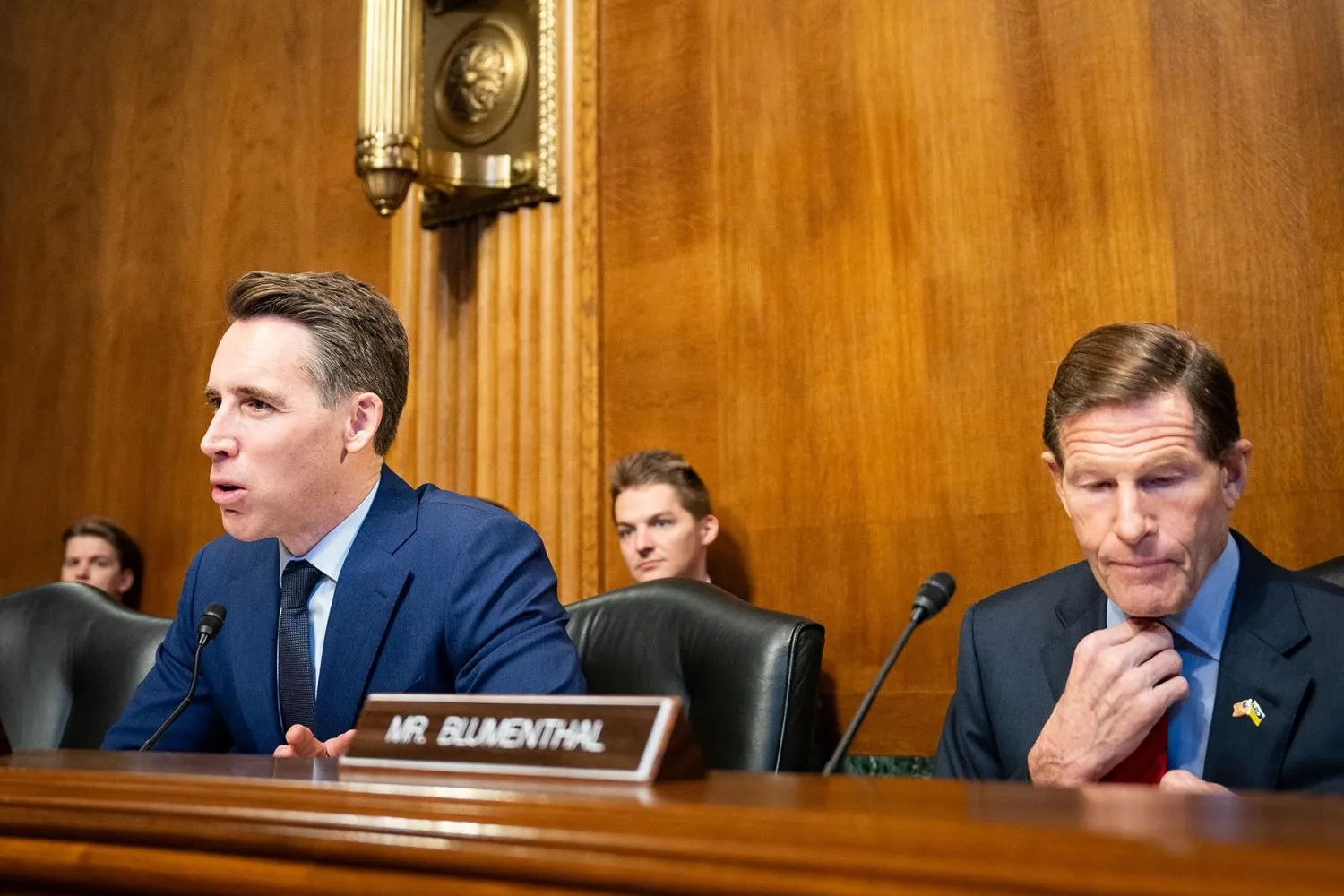

Senators Introduce Bill to Ban AI Companions for Minors Over Mental Health Fears
Key Takeaways
In a swift legislative response to growing concerns about the psychological impact of artificial intelligence on young minds, U.S. Senators introduced a groundbreaking bill aimed at banning AI companions for minors. This bill, spearheaded by a bipartisan coalition, seeks to address the rising apprehensions surrounding the unregulated use of advanced AI technologies that interact directly with children.
Recent studies have pointed to possible negative effects of AI companions, including dependency, social isolation, and erosion of privacy. These concerns have drawn the attention of both policymakers and mental health professionals, prompting urgent discussions about the need to shield younger populations.
AI Companions: The Modern Imaginary Friend?
AI companions, which range from chatbots in smartphones to more sophisticated virtual entities capable of maintaining conversations, playing games, and even tutoring, have become increasingly accessible. While they offer undeniable benefits such as educational support and entertainment, their interactive nature allows them to influence behaviors and emotional development significantly.
The Senators argued that unlike traditional technology, AI companions have the capability to engage in psychologically profound ways, mimicking human emotions and responses. This can lead to a host of issues, particularly in minors whose social and emotional development are in critical stages. One of the bill’s primary sponsors, Senator Jane Doe, stated in a recent interview, “The intimacy and influence that these AI systems have over children can be much more than any app or video game. We’ve seen cases where children are replacing human interactions with AI conversations, which is deeply worrying.”
Mental Health Concerns at the Forefront
The decision to propose this legislation was heavily influenced by several reports from mental health advocates. These reports highlight a trend where minors engaged with AI companions show signs of emotional detachment, reduced interpersonal skills, and an increased feeling of loneliness. Furthermore, data privacy issues emerge as these AI systems often collect personal data from interactions, leading to potential misuse.
Child psychologist Dr. Emily Rios warns, “Continuous interaction with AI can skew children’s perception of human relationships and impair their ability to engage in empathetic and meaningful interpersonal experiences.”
The Bill and Its Provisions
The proposed bill includes several key provisions:
- A complete ban on the commercial sale and distribution of AI companions explicitly designed for minors.
- Strict penalties for companies that violate these regulations, including heavy fines and possible sanctions.
- Funding for research into the long-term effects of AI on children, to better understand how to integrate such technologies safely into their lives.
However, the bill also faces criticism and resistance, particularly from tech companies that manufacture and profit from AI products. These entities argue that the legislation could stifle innovation and technological progress, promoting a fear-driven approach to new technologies.
Balancing Innovation and Safety
As the debate unfolds, it becomes clear that the core challenge lies in balancing technological innovation with the imperative to protect vulnerable populations. Senator Doe emphasizes, “We are not anti-technology. We are for safe and responsible innovation that considers the mental and emotional well-being of our children.”
The bill is now in committee stages and will undergo further scrutiny and possible amendments before it reaches the Senate floor for a vote. As this legislative journey continues, all eyes will be on how the U.S. reconciles the boundless possibilities of AI with the uncompromising protection of its youngest citizens.
Context
Current positioning around Regulation & Policy remains sensitive to primary-source updates, policy interpretation, and execution risk across major venues.
What To Watch
Key confirmation signals now include court filings, regulator statements, and any updated compliance guidance from the involved parties.
Market participants will monitor whether legal outcomes change exchange operations, token access, or disclosure standards in major jurisdictions.
Related: More from Regulation & Policy | Trump backs Clarity Act, criticizes banks for undercutting GENIUS in Crypto Regulation | Paul Atkins: Trumps Crypto Legacy in Crypto Regulation