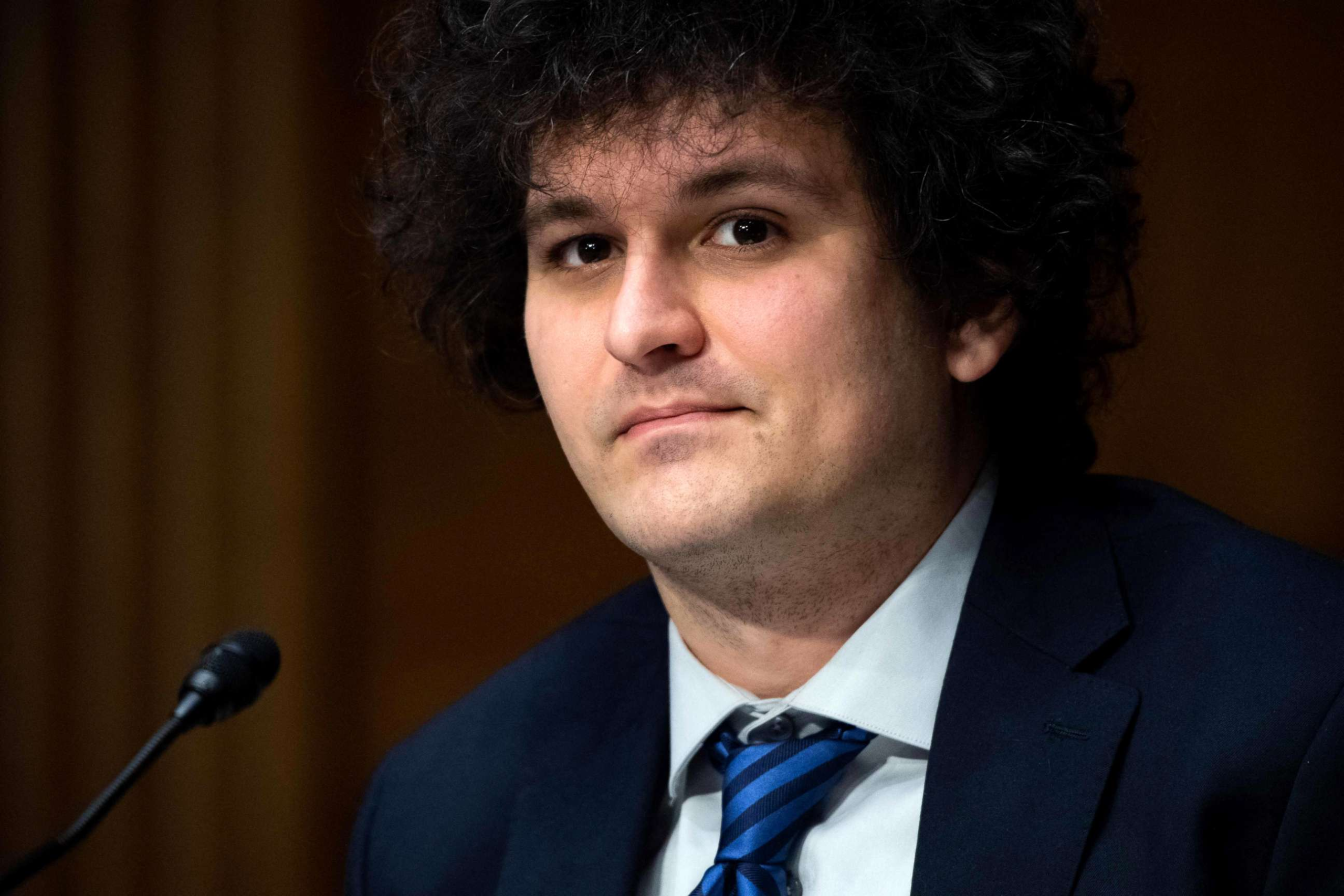

Sam Bankman-Fried, the former CEO of FTX, recently stirred conversation on social media by praising former President Donald Trump’s decision to grant clemency to Juan Orlando Hernández, the ex-President of Honduras. As Bankman-Fried, often referred to by his initials SBF, navigates his own legal challenges while serving a 25-year sentence for fraud and conspiracy, these supportive comments have raised eyebrows. With his hope for a Bankman-Fried pardon hanging in the balance, many are drawn to the complexities surrounding his case, especially as analysts comment on the improbability of a clemency appeal given his significant 2020 donation to the Biden campaign. Notably, Hernández had been sentenced to 45 years for drug-related charges, adding another layer to the discussion. As more FTX CEO news unfolds, the implications of these clemency discussions continue to develop, particularly with an upcoming decision expected from the U.S. Court of Appeals regarding SBF’s appeal.
In the world of criminal justice and high-profile pardons, the recent advocacy by former FTX leader Sam Bankman-Fried has sparked significant interest. By voicing support for the clemency granted to former Honduran President Juan Orlando Hernández, Bankman-Fried, often simply called SBF, highlights a unique intersection of political influence and personal circumstance. As individuals like SBF pursue paths to alleviate their legal burdens, discussions surrounding public figures entangled in scandals become increasingly relevant. This context is further accentuated by ongoing developments regarding drug charges and the eventual outcomes of clemency petitions. Understanding these complex legal landscapes not only sheds light on Bankman-Fried’s situation but also on broader trends in the realm of influential figures seeking reprieve from their legal struggles.
Sam Bankman-Fried’s Support for Trump’s Clemency Decision
In a surprising turn of events, Sam Bankman-Fried, the former CEO of FTX, recently took to social media to express his support for former President Donald Trump’s clemency decision regarding Juan Orlando Hernández, the ex-president of Honduras. Bankman-Fried stated, ‘Few deserve freedom more than he does,’ showcasing his stance on the controversial clemency granted to a figure implicated in drug-related offenses. This move reflects a complex political landscape where figures from different backgrounds intersect, particularly in the context of criminal justice and presidential pardons.
Bankman-Fried’s endorsement of clemency highlights an intriguing juxtaposition; while he lauds Hernández’s newfound freedom, SBF himself faces significant legal troubles, serving a lengthy 25-year sentence for fraud and conspiracy tied to the operations of FTX. His public remarks come across as an attempt to draw parallels between his situation and that of Hernández. As legal analysts observe, this could also be part of a broader strategy for Bankman-Fried as he seeks a potential pardon from Trump, despite the slim odds resulting from his past political donations to the Biden campaign.
The Controversy Surrounding Hernández’s Clemency
The clemency granted to Juan Orlando Hernández has stirred significant controversy, with many questioning the implications of releasing a former leader previously sentenced for severe drug-related crimes. Hernández had received a 45-year prison sentence, which underscored the gravity of his actions while in office. Critics of the clemency argue that it could send a dangerous message about accountability for high-ranking officials involved in corruption and drug trafficking syndicates.
Adding to the complex narrative, Sam Bankman-Fried’s support for Hernández raises eyebrows given his own troubles with the law. The FTX CEO’s convictions on multiple charges lead many to ponder whether he views clemency as a mechanism for personal redemption or merely as a commentary on systemic injustices within the justice system. As Bankman-Fried continues to navigate his legal battle with an appeal currently under review, the conversation around pardons and clemency remains a critical topic in contemporary American politics.
Analyzing the Odds of a Sam Bankman-Fried Pardon
With ongoing discussions surrounding clemency in the U.S., the focus now turns to the likelihood of Sam Bankman-Fried receiving a pardon from President Trump. Many experts believe that his chances are quite slim, especially considering his financial contributions to the Biden campaign in 2020, totaling $5.2 million. This political whipping boy status complicates SBF’s situation, making it clear that political ties can heavily influence the pardon process.
As Bankman-Fried awaits a decision from the U.S. Court of Appeals for the Second Circuit, the landscape of his hopes for clemency paints a vivid picture of the intersection between finance, politics, and justice. While Hernández’s clemency may provide some hope for SBF, the current political climate suggests that a pardon for the former FTX CEO is not only uncertain but potentially fraught with complications stemming from his previous support of rival political factions.
The Impact of Politics on Judicial Outcomes
The interplay between politics and judicial outcomes is an age-old debate, with high-profile cases often exemplifying how political affiliations can sway public perception and decisions on clemency. The case of Juan Orlando Hernández showcases this dynamic, as political expediency may have played a role in securing his release through presidential clemency, effectively raising questions about fairness and equity in the justice system. This situation becomes even more layered when considering Bankman-Fried’s own legal struggles.
As former FTX CEO Sam Bankman-Fried draws parallels between his plight and that of Hernández, it raises an essential question about the role of public opinion and political strategy in matters of justice. Several analysts argue that political donations can create perceived conflicts of interest, particularly when figures such as Bankman-Fried directly seek a presidential pardon while being entangled in their legal battles. In this intricate landscape, the balance of justice becomes enmeshed with the machinations of political power.
The Relationship between Drug Trafficking and Political Corruption
Examining the case of Juan Orlando Hernández, it becomes apparent that drug trafficking is often intertwined with political corruption, fostering a cycle of impunity that can destabilize entire nations. Hernández was found guilty of engaging in drug-related activities during his presidency, emphasizing the corrupt practices that plague both local and international politics. The implications of such corruption extend beyond criminal sentences; they affect societal structures, law enforcement, and public trust in governmental institutions.
Sam Bankman-Fried’s commentary on Hernández’s clemency illustrates how deeply rooted these issues are within the fabric of political discourse. In supporting a figure linked to drug charges, SBF might be attempting to argue broader themes of justice and redemption, albeit from a personal standpoint. His own narrative, marked by allegations of fraud and conspiracy, reflects the dangers of neglecting underlying issues of political corruption amidst criminal allegations.
Public Sentiment on Pardons and Clemency
Public sentiment around pardons and clemency is often polarized, with opinions varying widely based on the political alignments and personal experiences of individuals. The case of Juan Orlando Hernández has highlighted how clemency can elicit strong responses, especially when it involves figures accused of severe offenses. Many view such decisions as undermining efforts to combat organized crime and corruption, while others see them as essential steps towards addressing systemic injustices.
Furthermore, public reactions to Sam Bankman-Fried’s support for Hernández reflect broader societal debates regarding restitution and forgiveness for those convicted of serious crimes. This discourse is particularly poignant in light of his own conviction; as a notable figure within the financial world, his thoughts on clemency could influence how these topics are perceived in the court of public opinion. The evolving narrative surrounding pardons, particularly in relation to drug charges, is complex and will undoubtedly continue to develop as cases like SBF’s and Hernández’s unfold.
The Future of FTX Following Bankman-Fried’s Conviction
FTX’s future seems uncertain in the wake of Sam Bankman-Fried’s conviction and the scrutiny surrounding the company’s operations prior to its collapse. The fallout from the legal proceedings has raised numerous questions about the company’s sustainability and the trust of investors going forward. With FTX once regarded as a titan in the cryptocurrency market, its downfall illustrates the delicate balance between innovation and regulation in an industry facing intensifying scrutiny.
Amidst this turmoil, there may be opportunities for growth and restructuring within the cryptocurrency sector. Experts argue that for FTX to bounce back, rebuilding public confidence through transparency and ethical practices is essential. The roadmap to recovery will likely be fraught with challenges, but with the evolution of regulatory frameworks, FTX may have a chance to adapt and emerge stronger in the long run.
Implications of Political Donations on Legal Outcomes
The implications of political donations on legal outcomes cannot be understated, as seen in the intertwined narratives of Sam Bankman-Fried and Juan Orlando Hernández. SBF’s significant financial contributions to the Biden campaign have raised eyebrows, especially in light of his applications for clemency and appeal. Critics argue that such donations may unfairly bias the justice system, preventing due process from being fully realized; equally, they may indicate how power and influence can impact judicial decisions.
As Bankman-Fried navigates his legal pathways, the scrutiny on his past donations highlights a critical conversation regarding campaign financing and legal integrity. This intersection of money and justice shows how deeply politics can influence legal frameworks, affecting the outcome for criminals within the system. The ongoing debates surrounding these issues will likely continue to shape future discussions on ethics in politics and law.
Repercussions of Drug-related Crimes on Society
The repercussions of drug-related crimes extend far beyond individual experiences, resonating deeply within societies and economies. The sentence given to Juan Orlando Hernández, along with his affiliation with drug trafficking, highlights the profound effects such criminal activities can have on public health, safety, and social order. Drug trade operations can perpetuate cycles of violence and corruption that destabilize communities and hinder socio-economic development.
As Sam Bankman-Fried reflects the injustices inherent in the legal system, the societal impact of drug-related offenses further complicates the paradigm of justice and reform. The ongoing discourse is not just about individual acts of wrongdoing; it is a broader conversation about the systemic issues that give rise to crime and the responses that governments and legal entities must provide. Analyzing these repercussions sheds light on the need for comprehensive approaches to tackle drug issues while considering the intersections of politics, justice, and community well-being.
Frequently Asked Questions
What is the latest news regarding Sam Bankman-Fried’s appeal and clemency hopes?
Sam Bankman-Fried (SBF), the former FTX CEO, is currently serving a 25-year sentence for fraud and conspiracy. His appeal is under review by the U.S. Court of Appeals for the Second Circuit, with a decision expected next year. Currently, SBF has expressed optimism about receiving a pardon from Trump, especially after praising Trump’s clemency decision for Honduran ex-President Juan Orlando Hernández.
How does Trump’s clemency decision for Hernández relate to Sam Bankman-Fried’s situation?
Sam Bankman-Fried commended Donald Trump’s clemency for former Honduran President Juan Orlando Hernández, claiming that few deserve freedom more than Hernández. This has raised questions about SBF’s own hopes for a pardon, as he himself has been sentenced for serious crimes, while Hernández was convicted on drug-related charges.
Is there any possibility for Sam Bankman-Fried’s pardon after his donation to the Biden campaign?
Sam Bankman-Fried’s chances of receiving a pardon appear low, particularly because he contributed $5.2 million to the Biden campaign in 2020, which could influence Trump’s decision against granting clemency to him. This political backdrop complicates SBF’s hopes for a reprieve from his 25-year sentence.
What crimes has Sam Bankman-Fried been convicted of and what are the implications for his appeal?
Sam Bankman-Fried was convicted for multiple offenses, including fraud and conspiracy, resulting in a 25-year sentence. His ongoing appeal in the U.S. Court of Appeals for the Second Circuit may impact his legal standing, but current insights suggest that his political contributions may complicate his quest for a pardon.
How do experts view the likelihood of a Bankman-Fried pardon from Trump?
Experts largely consider the likelihood of a Bankman-Fried pardon to be very low, primarily due to his significant financial support for Biden’s campaign in 2020, which may counteract any favors from Trump. Analysts believe that this political landscape, along with the nature of SBF’s charges, diminishes his chances for clemency.
| Key Points |
|---|
| Sam Bankman-Fried praised Trump’s clemency for Juan Orlando Hernández. |
| Hernández was sentenced to 45 years for drug-related charges. |
| Bankman-Fried is serving a 25-year sentence for fraud and conspiracy. |
| SBF is seeking a pardon from Trump. |
| Analysts believe chances for a pardon are very low due to SBF’s donation to Biden’s campaign. |
| SBF’s appeal is currently under review in the U.S. Court of Appeals. |
| A decision on SBF’s appeal is expected next year. |
Summary
Sam Bankman-Fried is currently in the spotlight for his vocal support of Trump’s clemency granted to Juan Orlando Hernández. Despite his praise, SBF faces significant hurdles in his pursuit of a pardon given his past political donations to the Biden campaign. As he serves a 25-year sentence for serious offenses, analysts remain skeptical of his chances of receiving clemency, especially while his appeal is pending review. Consequently, the unfolding narrative surrounding Sam Bankman-Fried continues to attract attention in the context of political clemency and justice.
Related: More from Regulation & Policy | Anthropic Founder Critiques Pentagons Choice as Unprecedented in Crypto Regulation | UK Gambling Regulator Examines Cryptocurrencies for Licensed Bettors in Crypto Regulation